Emergency Plumbing Guide: What to Do Before Help Arrives
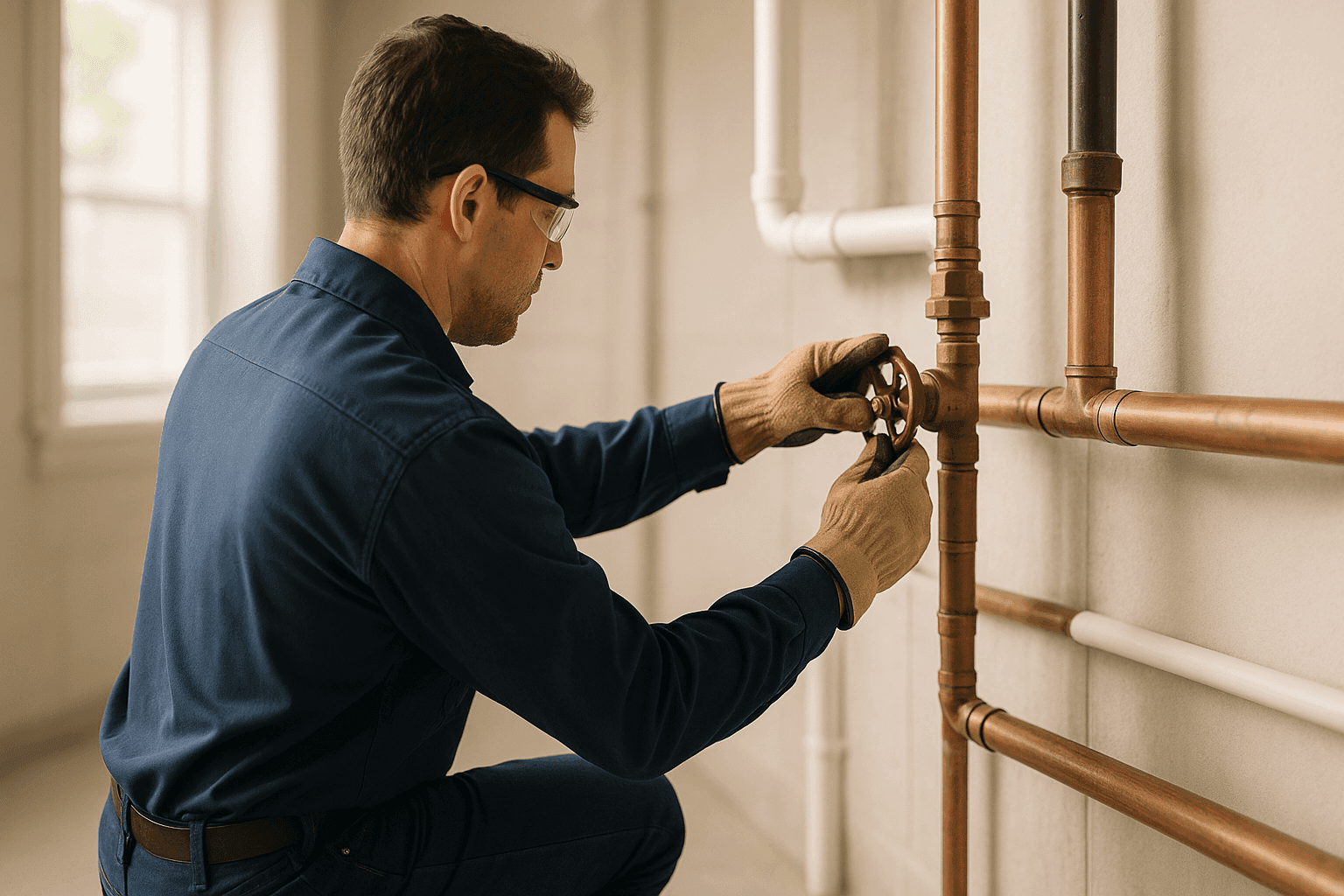
When water is gushing where it shouldn’t, panic is natural. Pipes burst, toilets overflow, and suddenly your home feels like a sinking ship. It’s stressful, it’s urgent, and you need answers—fast.
At Renegar Plumbing, we know that every second counts during an emergency. This guide is here to help you stay calm, act quickly, and protect your home until our licensed professionals arrive, day or night.
Understanding Plumbing Emergencies
Not every drip is a disaster. But some situations demand immediate action. Picture this: water pooling on the bathroom floor, the sound of rushing water behind the wall, or a heater leaking on a frosty night.
Here are common home emergencies that can spiral out of control:
- Burst pipes (often during a freeze)
- Water heater leaks or failures
- Sudden drop in water pressure or no water at all
- Sewage backing up into sinks, tubs, or toilets
- Overflowing toilets—especially if it won’t stop
- Gas odor near appliances or pipes
- Major leaks under sinks, behind walls, or in basements
Each of these can damage floors, walls, and personal belongings in minutes. Some bring health risks, like mold or sewage contamination. That’s why quick action matters—even before you call for emergency plumbing help.
Quick Safety Checklist 🚨
Before you grab a wrench or a mop, pause. Safety comes first. Use this checklist to protect your home and those inside:
- Shut off the main water valve: Usually found near the street, basement, or crawlspace. Turning it clockwise stops water flow to the whole house.
- Turn off electricity if water is near outlets or appliances: Water and electricity don’t mix. Head to your breaker panel and flip the relevant switch.
- Ventilate the area: If it’s a sewage or gas issue, open doors and windows. Step outside if you smell gas.
- Keep children and pets away: Standing water can hide hazards like sharp debris or electrical current.
- Wear rubber gloves and boots: Especially with sewage or dirty water.
- Never use electrical appliances in wet areas: This includes vacuums, fans, and even your phone charger.
For reference, the National Fire Protection Association (NFPA) and local building codes agree: safety first, always.
DIY or Call a Pro? The Right Moves to Make
Some fixes are like putting a bandage on a wound. They buy you time, but they’re not a cure. Here’s how to decide what you can do—and when to pick up the phone:
What You Can Tackle
- Shut off local valves: Under sinks, behind toilets, or at the water heater. Stops the flow at the source.
- Contain leaks with towels or buckets: Place them under drips or around bursts to limit damage.
- Unclog minor drains: Use a plunger, but skip chemical drain cleaners—they can damage pipes or worsen clogs.
- Tighten loose fittings: Sometimes a quick twist can slow a leak.
When to Call Renegar Plumbing Immediately
- Water is flooding living spaces or ceilings are bulging
- Sewage is present—don’t risk your health
- Water heater is leaking or making loud noises
- You smell gas—leave and call for help from outside
- You can’t find or turn off the main valve
Remember: Temporary fixes are just that—temporary. The pros have specialized tools and training to ensure a thorough, lasting repair.
What to Expect When the Plumber Arrives
Our Renegar Plumbing team moves fast, but we never cut corners. Here’s what happens when we get to your door:
- Assessment: We locate the leak or problem source—sometimes with advanced leak detection gear.
- Safety check: We ensure power and gas are secure before repairs.
- Containment: We isolate affected areas and prevent further water damage.
- Repair or replacement: Whether it’s Water Heater Repair near you, pipe patching, or sewer line inspection, we get straight to work.
- Testing: We confirm everything is working and safe before we leave.
Pro tip: The more information you can share with us—what happened, where, any noises or smells—the faster we can get to the root of the problem.
Prevention & Maintenance: Don’t Wait for the Next Crisis
A little prep goes a long way. Think of preventive maintenance like wearing a seatbelt: you hope you never need it, but when you do, it makes all the difference.
Homeowner Tips for Fewer Emergencies
- Know your main water shutoff location. Show your family, too.
- Insulate exposed pipes—especially in basements and attics.
- Schedule annual water heater checks (per manufacturer and code recommendations).
- Don’t use toilets as trash cans: Only flush waste and toilet paper.
- Clear gutters and downspouts before the rainy season.
- Have your sewer line inspected every 2–3 years—tree roots and grease build up quietly.
The International Association of Certified Home Inspectors (InterNACHI) recommends routine plumbing checks for early warning signs.
Costs & Time Factors: What to Expect
No one likes surprise bills, but transparency helps. Here’s what shapes the cost and repair timeline in an emergency:
- Time of day: Late night, weekends, or holidays may affect response and rates.
- Severity: A dripping faucet costs less (and takes less time) than a ruptured main.
- Parts needed: Custom or specialty parts can add time.
- Access: Hard-to-reach leaks or buried pipes take longer.
Repairs can be quick—sometimes under an hour for simple fixes. Full pipe replacements or water heater installations may take several hours or more.
When It’s Truly an Emergency
How do you know if you need a 24/7 emergency plumber, or if you can wait until morning? Here’s a quick guide:
Call right now if:
- Water won’t stop running, and you can’t shut it off
- Sewage is backing up into your home
- Water is leaking near electrical outlets or your breaker box
- Gas odor is present (leave the house first!)
- You have no water at all—especially in freezing weather
If the issue is a slow drip under the sink and you can isolate it, you may be able to wait until business hours. But when in doubt, safety wins.
Emergency Plumbing Checklist for Homeowners
- [ ] Main water valve location identified
- [ ] Towels, buckets, and mops ready
- [ ] Flashlights and batteries on hand
- [ ] List of emergency contacts (including Renegar Plumbing)
- [ ] Knowledge of breaker panel location
- [ ] Know which appliances use gas
Print this out. Stick it on your fridge. Trust us, you’ll be glad you did.
FAQ: Common Emergency Plumbing Questions
How can I find my main water shutoff?
Look for a round or lever-style valve near where the water line enters your home—often in a basement, crawlspace, or garage. If you’re not sure, ask your plumber to show you during your next service.
What should I do if my water heater is leaking?
Turn off the cold-water supply on top of the heater. Switch the thermostat to “off.” If you see any electrical hazard, don’t touch—just leave and call for help.
Are chemical drain cleaners safe in an emergency?
They can do more harm than good, especially on older pipes. Stick to plungers or mechanical snakes, and wait for a professional if the clog won’t budge.
Should I try to fix a gas leak myself?
Never. Leave your home, call your gas utility or plumber from a safe location, and let trained professionals handle it according to state and local codes.
Local & Seasonal Considerations: When Emergencies Surge 🌨️
Some emergencies love bad weather. Winter brings frozen pipes and burst lines. Heavy rain overwhelms sump pumps and drains. Holidays mean extra guests—overworked toilets and kitchen sinks.
Plan ahead:
- Before a freeze: Insulate pipes, disconnect hoses, and drip faucets during severe cold.
- Before storms: Test sump pumps and clear outside drains.
- Around holidays: Remind guests what NOT to flush or pour down the sink.
Stay alert during these times. Emergencies spike, but a little foresight can keep your home dry and safe.
Ready for the Plumber? How to Prepare
- Clear a path to the affected area.
- Secure pets in another room.
- Write down what happened and when.
- Gather any warranty or appliance information if relevant.
- Have your phone handy for updates.
A little prep helps us move faster and gets your home back to normal sooner.
Preventing the Next Emergency
After repairs, ask about upgrades or maintenance—things like water filtration systems, backflow prevention, or repiping old lines. These investments can pay off by saving you from future headaches.
Remember, plumbing emergencies happen to everyone. Fast action, a cool head, and a call to Renegar Plumbing are your best defense. We’re here for you 24/7, ready to get your home safe and dry—no matter the hour.
Call Renegar Plumbing now — or reach us anytime at 888-899-9250 .