The Ultimate Guide to Water Heater Repair for Homeowners
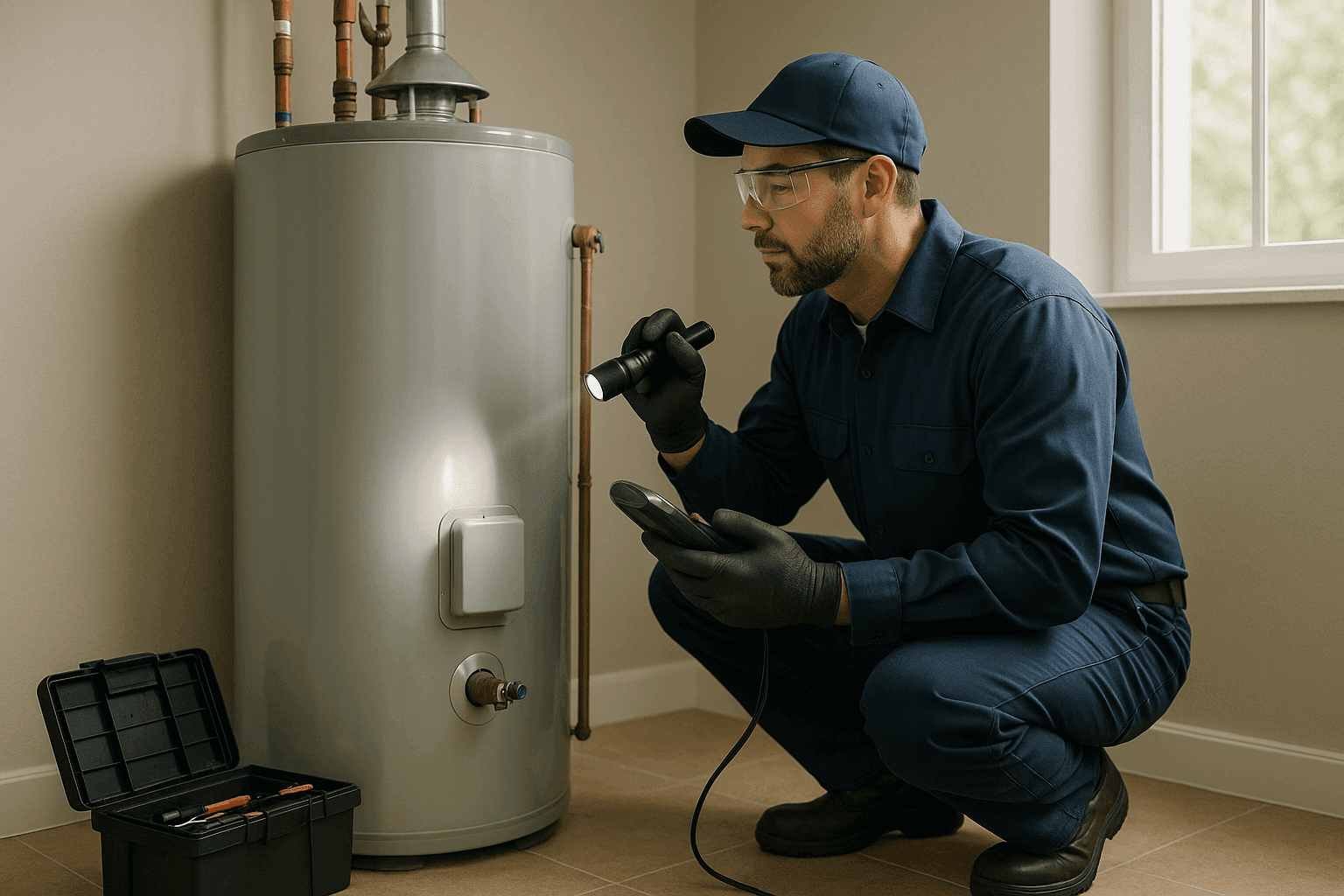
Is your shower running cold just when you need it steaming hot? Or maybe you’ve spotted a puddle under the water heater and your stomach drops. Hot water is something we all take for granted—until it’s gone.
If water heater trouble is flooding your day with stress, you’re not alone. At Renegar Plumbing, we’ve handled every emergency plumbing call you can imagine. Let’s break down the fix—no jargon, just real steps, tailored for homeowners.
Common Water Heater Problems (And What They Mean) 🔎
Water heaters are like the heart of a home’s comfort. But when they skip a beat, the whole house feels it. Here’s what most folks run into:
- No hot water: Could be a tripped breaker, bad thermostat, or failed heating element. For gas: pilot light might be out.
- Leaks or puddles: Often from a worn-out tank, loose valves, or corroded pipes.
- Strange noises: Pops, cracks, or rumbles often signal sediment build-up.
- Rusty water: Can mean corrosion inside the tank or your pipes.
- Water takes forever to heat up: Usually sediment, thermostat issues, or aging parts.
Both tank and tankless models have their quirks. Tankless might flash error codes or deliver inconsistent temps; tank units usually show their age with more physical symptoms.
Water Heater Problem Flowchart
Let’s keep it simple. Here’s a quick decision tree for the top issues:
- No hot water?
- Electric: Check breaker. Reset. Still cold? Test thermostat.
- Gas: Pilot light on? If not, relight per manufacturer’s instructions.
- Leak visible?
- Tighten connections. If tank is leaking from the bottom, shut off water—call for help.
- Weird noises?
- Try flushing the tank (see below). Persistent? Call Renegar Plumbing.
Quick Safety Checklist
Before you touch a tool, make sure safety comes first. Water heaters—especially gas—pack a punch if mishandled. Here’s your go-to checklist:
- Turn off power: For electric units, flip the breaker. Gas? Turn the gas valve off.
- Shut off water supply: Use the cold-water valve above the unit.
- Let the tank cool: Hot water burns fast—wait at least 30 minutes.
- Ventilate: Gas heaters need airflow. Crack a window.
- Wear gloves & eye protection: Water and debris can surprise you.
- Know your limits: If you smell gas or see sparking wires, don’t touch—leave and call a pro.
Refer to the National Electric Code (NEC) and your manufacturer’s safety manual for any specifics.
DIY vs. Call a Pro
Some fixes are as easy as flipping a switch. Others? Not so much. Here’s when you can handle it—and when you need emergency plumbing fast.
DIY-Friendly Fixes
- Resetting circuit breakers or relighting a pilot light (follow your unit’s manual).
- Flushing sediment: Attach a garden hose to the drain valve, open it, and let the tank empty. Do this yearly to keep things running smooth.
- Tightening loose connections: Hand-tighten—but don’t overdo it.
Call for Backup When:
- Water is gushing or pooling fast
- Burning smells, gas odor, or electrical arcing
- Tank is leaking from the base
- Repeated tripping of circuit breakers
- You’re unsure about any step
Remember, gas line or electrical work should always be handled by licensed professionals. That’s not just our policy—it’s local and national code.
What Pros Do On Arrival
When Renegar Plumbing rolls up, the clock starts ticking. Here’s what to expect:
- Full inspection: We check tanks, pipes, valves, thermostats, and pressure relief valves.
- Leak detection: Using moisture meters and thermal imaging, we find what’s hidden.
- Diagnostic tests: For tankless units, we scan for error codes. For tanks, we check for sediment, rust, or corrosion.
- Repairs or replacement: We repair what’s safe and cost-effective. If it’s time for a new unit, we’ll walk you through options.
- Safety checks: Gas and electric connections, venting, and carbon monoxide (for gas units) are all reviewed.
All work by Renegar Plumbing meets or exceeds local building codes and manufacturer guidelines.
Prevention & Maintenance for Longer Life
Water heaters aren’t set-and-forget. With a little care, you can double—or even triple—the lifespan of your unit. Here’s how:
- Flush the tank annually: Removes sediment and keeps heating efficient.
- Test the pressure relief valve: Lift the lever and let it snap back. Water should gush out the drain pipe.
- Check the anode rod: This “sacrificial” rod attracts rust—replace if worn.
- Keep area clear: Don’t store boxes, paint, or chemicals around the heater.
- Set thermostat to 120°F: Hot enough for comfort, low enough to cut scald risk and save energy.
- Inspect for drips monthly: Spot leaks early before they become disasters.
The U.S. Department of Energy recommends annual professional inspections for both tank and tankless units.
Costs & Time Factors
Nobody likes surprises—especially on the bill. Here’s what affects water heater repair near you:
- Type of heater: Tankless repairs often cost more due to complex parts.
- Age of unit: Older heaters may need more labor; parts can be harder to find.
- Nature of the repair: Simple fixes like thermostat swaps take an hour or two. Major leaks or replacement? Several hours.
- Emergency plumbing: After-hours or weekend calls add to labor costs.
Most repairs land between minor tune-ups and full replacements. Regular maintenance keeps you on the low end of the range.
When It’s an Emergency 🚨
If you see water flooding, smell gas, or hear loud popping or hissing, it’s time to act—fast. Here are true emergencies:
- Active leaks threatening floors or walls
- No hot water in freezing weather
- Gas odors or pilot light issues
- Smoke, sparks, or burning smells
Shut off water and power, then call Renegar Plumbing for immediate help. Your home’s safety comes first.
FAQ: Water Heater Head-Scratchers
Q: Why does my water heater keep shutting off?
A: Faulty thermostat, sediment build-up, or a failing thermocouple. If resetting doesn’t work, call for repair.
Q: Is it safe to repair a water heater myself?
A: Minor fixes, yes. Anything with gas, electricity, or major leaks—leave to licensed professionals.
Q: How long do water heaters last?
A: Tank: 8–12 years. Tankless: 15–20 years with good upkeep.
Q: Can hard water ruin my heater?
A: Yes—sediment build-up is a silent killer. Annual flushing helps a lot.
Local & Seasonal Considerations
Winter brings its own headaches—pipes freeze, water heaters work overtime. Even in milder months, sediment builds faster in areas with hard water.
If your area is prone to storms or cold snaps, schedule a quick checkup each fall. Preventative maintenance now beats an emergency plumbing call at midnight.
Why Choose Renegar Plumbing?
Renegar Plumbing is licensed, insured, and trusted by homeowners across the region. Our technicians are background-checked, factory-trained, and up-to-date on the latest safety codes. All installations and repairs are backed by manufacturer warranties and our commitment to safe, thorough work—every time.
Call Renegar Plumbing now — or reach us anytime at 888-899-9250 .