Preventing Plumbing Disasters During Winter Freezes
Is your home ready for the next cold snap? When the temperature dives, your pipes might be in the line of fire—sometimes literally, if one bursts and floods your basement at 2 a.m. That’s where preparation meets peace of mind.
At Renegar Plumbing, we’ve seen how fast a quiet winter night can turn into a full-blown emergency plumbing call. Let’s walk through what really works to keep your home safe, dry, and warm, even when the outside world is frozen solid.
Why Do Pipes Freeze? The Hidden Dangers
When water stands still in pipes, it’s like a kid stuck in a slide—nowhere to go if things get cold. Water expands as it freezes. Pipes, unfortunately, don’t. The result? Cracks, bursts, and a mess that rivals any snowstorm outside.
But not every pipe is equally at risk. Unheated basements, crawl spaces, and exterior walls are like the thin ice of your plumbing system—one cold spell and things can snap.
Most Vulnerable Spots
- Pipes in uninsulated walls facing north or the wind
- Basements and crawl spaces with poor heating
- Garages, attics, and cabinets against outside walls
- Any plumbing close to windows, doors, or vents
Quick Safety Checklist for Winter Freezes 🧊
Before winter bites hard, run through this list:
- Find your main water shutoff. Make sure it turns easily.
- Disconnect garden hoses and drain outdoor faucets.
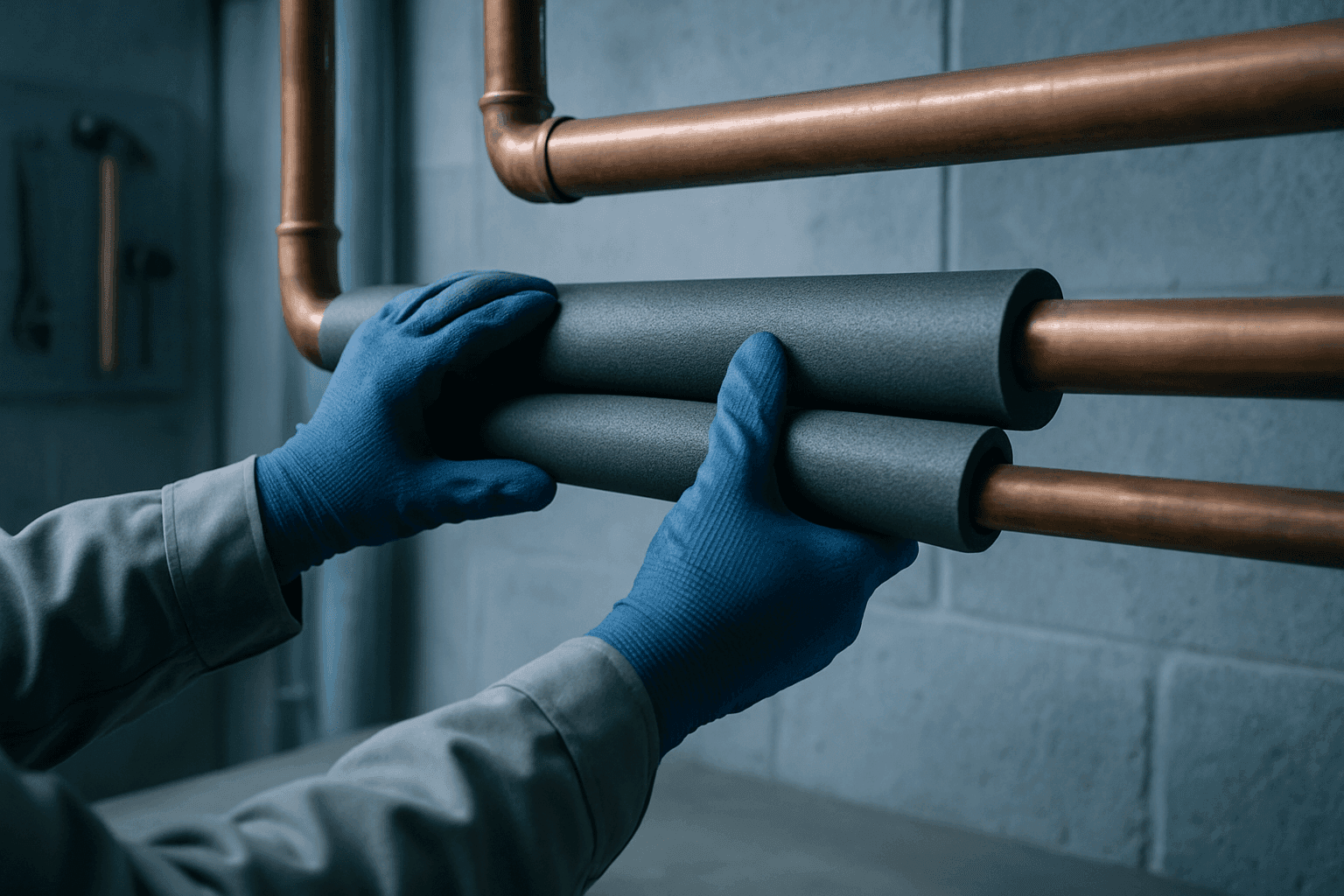
- Insulate exposed pipes with foam sleeves or wrap.
- Keep a trickle of water running on the coldest nights.
- Open cabinet doors under sinks to let heat circulate.
- Seal drafts near pipes with caulk or weatherstripping.
- Install heat tape (with built-in thermostat) on high-risk lines.
- Test your sump pump—make sure it’s ready for runoff.
For long, bitter winters:
- Schedule a professional pipe inspection.
- Blow out and winterize irrigation lines.
- Consider adding pipe insulation to the attic and basement.
- Check your water heater—hot showers matter most when it’s freezing.
DIY vs. Calling a Pro
Some things you can do yourself—like wrapping pipes or letting faucets drip. But other jobs, like installing heat tape correctly or spotting hidden leaks before they become geysers, take the right tools and know-how.
Think of it like shoveling your driveway versus plowing the street. You can handle your end, but sometimes you need the big equipment and experience.
When DIY Works
- Foam pipe insulation from the hardware store
- Draining hoses and outdoor spigots
- Sealing simple drafts
When to Call Renegar Plumbing
- Installing or repairing electric heat tape
- Inspecting for hidden leaks or weak pipes
- Handling water heater repair near you
- Emergency plumbing when you spot frost or swelling pipes
What Pros Do On Arrival
When our team rolls up—day or night—we move fast, but methodically. Here’s what usually happens:
- Immediate Assessment: We check where the freeze hit, listen for odd sounds, and look for bulging or frosty pipes.
- Shutoff & Contain: Water off. Damage contained. We work to keep things from getting worse.
- Thawing Safely: Using professional-grade pipe thawers or gentle heat, we coax pipes back to normal—never with open flames.
- Full System Inspection: We don’t just fix the obvious. We look for warning signs up and downstream.
- Repair & Prevent: From pipe repair to full repiping, we recommend what it takes to keep your system safe—now and next winter.
Prevention & Maintenance: Step By Step
Freezing pipes are like potholes—easy to ignore until they wreck your day. Here’s how to keep things smooth:
Insulating Pipes
- Measure the exposed pipe length.
- Buy foam sleeves or fiberglass pipe wrap.
- Cut to fit, snug but not tight.
- Secure with duct tape or zip ties.
- For elbows and joints, overlap insulation so there are no gaps.
Heat Tape Installation
- Use only UL-listed, self-regulating electric heat tape.
- Wrap tape lengthwise along the pipe—not spiraled, unless instructions say.
- Never overlap tape on itself.
- Plug into a GFCI-protected outlet.
- Test before the first freeze (listen for a faint click, or check the indicator light).
The International Plumbing Code (IPC) and local building authorities recommend insulation and protection for any pipes in unconditioned spaces.
Other Smart Moves
- Keep your thermostat above 55°F—even if you’re away.
- Add a smart water leak detector for instant alerts.
- Schedule annual preventative maintenance—before winter.
Costs & Time Factors
How much will winter prep set you back? It depends on your home setup. Simple foam insulation is quick and cheap—the price of a pizza night. Professional heat tape or full pipe rerouting takes longer and costs more, but it’s an investment that can save thousands in water damage.
Emergency plumbing services often cost more after-hours or during holidays. But fast action can prevent bigger headaches and repair bills.
When It’s an Emergency 🚨
Some signs scream for immediate help:
- No water from faucets—especially in one part of the house.
- Visible frost, bulging, or cracking on any pipe.
- Damp walls, ceilings, or unexplained puddles.
- Sudden drop in water pressure (or none at all).
- Your sump pump or water heater stops working in the cold.
If any of these pop up, don’t wait. Shut off the main water valve and call Renegar Plumbing. Quick moves now mean less damage later.
Recovery Actions If Pipes Freeze
So your pipes froze anyway. Now what?
- Shut Off Water: Find the main shutoff, turn it off. This keeps cracks from leaking everywhere.
- Open Faucets: Relieve pressure by opening all taps—hot and cold.
- Warm the Pipe: Use a hair dryer, space heater, or towels soaked in hot water. Start near the faucet end, never the frozen part in the middle.
- Never Use Open Flame: It’s not just unsafe—it could melt joints or start a fire.
- Check for Leaks: As pipes thaw, listen and look for drips.
- Call the Pros: If you can’t thaw the pipe, see bulging, or hear rushing water inside the wall, get help fast.
Post-Thaw Inspection Tips
Once things are flowing again, check:
- Walls and ceilings for soft spots or stains.
- Cabinets and floors for dampness.
- Water heater, sump pump, and toilets for smooth operation.
- All pipes for drips, corrosion, or unusual noises.
If anything seems off, even a slow drip, don’t ignore it. Small leaks can grow into big repairs.
FAQ: Common Winter Plumbing Questions
How cold does it have to get for pipes to freeze?
Pipes can freeze when temperatures hit 20°F (-6°C) or lower, especially if wind chill is involved or if pipes are exposed.
Can I use regular electrical tape instead of heat tape?
No. Electrical tape isn’t made for heating and can be dangerous. Only use products rated for pipe heating.
Should I turn off the water if I’m leaving for vacation?
Yes, if you’ll be gone for days and temperatures are expected to drop. Turn off the main valve and drain your system.
Does home insurance cover burst pipes?
Many policies do, but only if you took reasonable steps to prevent freezing. Check with your insurance provider for specifics.
Local and Seasonal Considerations ❄️
Every region has its quirks. In southern states, a rare freeze can catch folks off guard—pipes may not be insulated at all. In northern areas, long deep freezes require extra vigilance, annual inspections, and heavy-duty solutions.
If you’re new to your area or unsure what level of protection you need, ask a local plumber or check with your regional building department. The National Association of Home Builders and American Red Cross both offer winter prep tips for homeowners.
Don’t let winter steal your peace of mind. If you spot warning signs or want the job done right, we’re here for you, 24/7.
Call Renegar Plumbing now — or reach us anytime at 888-899-9250 .