Backflow Prevention: Protecting Your Family’s Water Supply
Imagine turning on your kitchen faucet, expecting clean water, but something’s not right. The water smells odd or looks cloudy. It’s unsettling, even scary. Most families never think about backflow until it’s too late.
At Renegar Plumbing, we take your water safety seriously. With decades responding to emergency plumbing calls, we’ve seen what can go wrong when backflow isn’t stopped in time. Let’s break down what backflow is, why it matters, and how you can keep your household safe.
What Is Backflow—and Why Should You Care?
Backflow is like a river running the wrong way. Instead of fresh water flowing into your home, contaminated water can sneak back into your pipes. This happens when pressure in your plumbing system changes—think of water main breaks, firefighting, or even a burst pipe.
Imagine a playground seesaw. When one side drops suddenly, the other can jump up in surprise. In plumbing, if water pressure drops outside your home, dirty water from the ground, your sprinkler, or even your washing machine, can slip back into your drinking water. Not good.
Backflow brings potential dangers:
- Bacteria and chemicals entering your kitchen or bathroom taps.
- Health risks, especially for children and elderly family members.
- Unpleasant odors and tastes that linger long after.
The EPA and local authorities warn that backflow can quickly turn a simple plumbing issue into a public health emergency.
Quick Safety Checklist 🛑
Don’t wait for a problem. Here’s how to spot risks at home:
- Sudden changes in water color, odor, or taste
- Visible debris or cloudiness in faucet water
- Noticeable drop in water pressure
- Recent plumbing work, water main breaks, or flooding nearby
- Garden hoses left submerged in pools, buckets, or ponds
If you check any of these boxes, it’s time to act.
Why Does Backflow Happen? Common Risk Factors
You don’t have to live near a factory to be at risk. Everyday situations can cause backflow:
- Broken water mains: Sudden pressure loss can reverse the flow.
- Sprinkler or irrigation systems: Fertilizer and pesticides can get sucked back.
- Boilers or water heaters: Malfunctions can push contaminated water into your lines.
- Hose bibbs: Unprotected outdoor spigots left submerged in dirty water are a classic culprit.
Codes and Local Rules Every Homeowner Should Know
Most cities and towns have strict plumbing codes to stop backflow. The International Plumbing Code (IPC), Uniform Plumbing Code (UPC), and EPA guidelines all require approved backflow prevention devices.
Local ordinances often demand:
- Installation of backflow preventers on irrigation, fire, and pool lines.
- Annual inspection and certification by a licensed plumber.
- Immediate repair or replacement if a device fails testing.
Ignoring these rules can mean fines—or worse, contaminated water in your neighborhood.
How Backflow Prevention Devices Work
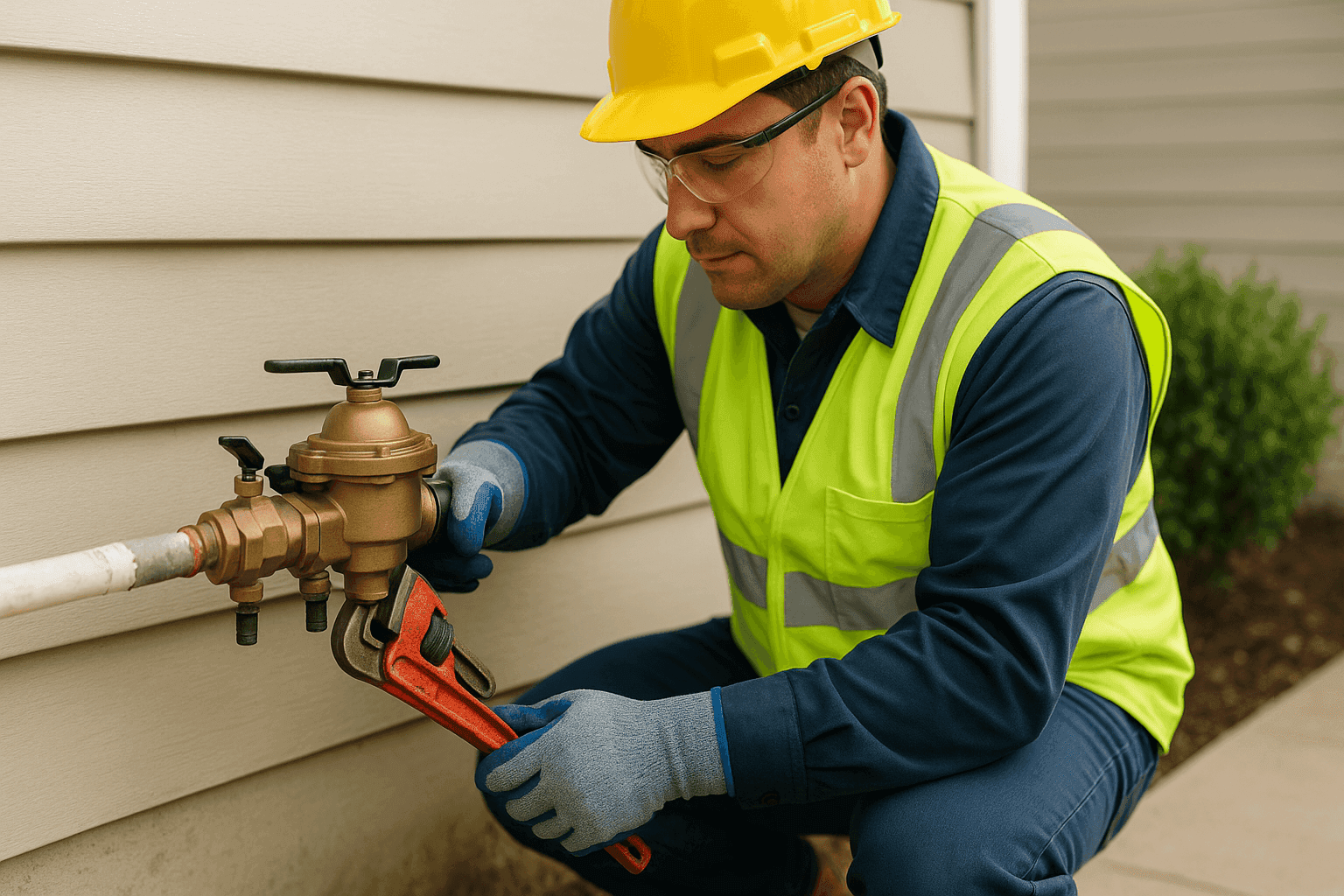
Think of a backflow preventer as a one-way door. Water can enter your home, but it can’t sneak back out into the main supply. Common types include:
- Atmospheric vacuum breakers
- Pressure vacuum breakers
- Double check valves
- Reduced pressure zone (RPZ) assemblies
Each has its place, depending on your plumbing setup. These devices use springs, valves, and air gaps to close off pathways if pressure changes, keeping dirty water out for good.
DIY vs. Call a Pro: What’s Safe for Homeowners?
Changing a faucet washer? Sure, that’s a weekend project. But backflow prevention isn’t a DIY job.
- Complex installation: Devices must be matched to your plumbing and installed at the right spots.
- Testing required: Specialized gauges and training are needed to confirm the device is working.
- Code compliance: Local authorities often require certified plumbers for installation and annual testing.
A quick fix done wrong can mean trouble later. For real peace of mind, rely on certified professionals—like the team at Renegar Plumbing.
What Happens When a Pro Arrives
When you call for backflow prevention or emergency plumbing, here’s what to expect:
- Assessment: We inspect your home’s plumbing, looking for cross-connections and risk areas.
- Device selection: Based on your needs, we recommend the right backflow preventer for each fixture or water line.
- Installation: Our licensed plumbers install the device, using approved methods and materials.
- Testing and certification: We perform the required tests, record results, and submit paperwork to your local authority.
We’ll also show you how to spot warning signs and schedule your annual test—no guesswork or worrying.
Prevention & Maintenance: Keeping Your Water Safe Year-Round 🛠️
A backflow device isn’t “set it and forget it.” Here’s how to keep things running right:
- Annual testing: Most areas require a certified test every year (check your local code).
- Visual checks: Watch for leaks, rust, or unusual noises at the device.
- Seasonal protection: Insulate outdoor devices before winter to prevent freezing.
- Professional servicing: Schedule regular maintenance with Renegar Plumbing to catch issues early.
The EPA stresses that routine testing and maintenance are key to safe, uncontaminated water.
Costs & Time Factors: What to Expect
Every home and system is different. Here’s what we see in most cases:
- Installation time: 1–3 hours for most residential setups.
- Testing: Usually under an hour.
- Maintenance: A basic annual check is quick and minimally disruptive.
Factors that can affect costs:
- Type and number of devices needed
- Accessibility of plumbing lines
- Local permit and certification fees
Remember, investing in prevention now can save you from major headaches—and expenses—down the road.
When It’s an Emergency: Act Fast
If you notice:
- Water that’s suddenly dirty or smells strange
- Multiple family members feeling ill after using tap water
- A local water main break or boil advisory
Don’t wait. Shut off your main supply and call Renegar Plumbing immediately. Emergency plumbing is what we do. Fast response can make all the difference.
Backflow FAQ: What Homeowners Ask Most
Does homeowner’s insurance cover backflow problems?
Policies vary. Some cover water damage from backflow, others exclude it if required devices weren’t installed or tested. Check your policy and keep records of your annual tests.
How often do I need to test my backflow preventer?
Most local codes require annual testing by a certified professional. Some high-risk setups may need more frequent checks.
Will backflow prevention affect my water pressure?
Properly installed devices have minimal impact. If you notice a big drop, there may be a larger plumbing issue—call for an inspection.
Can Renegar Plumbing certify my backflow device for the city?
Yes! Our team is certified for testing and reporting to all local authorities.
Local and Seasonal Considerations 🌦️
- Freezing winters? Insulate or drain outdoor devices before the first hard freeze.
- Heavy rains or flooding? Schedule an inspection for sump pumps and sewer lines, as cross-connection risks increase.
- New construction or remodels? Ask your plumber if new fixtures or irrigation need additional backflow protection.
Your city or county may have unique rules—always check before making changes. The EPA’s guide on cross-connection control and your local building department are good resources.
Real Stories: Why Prevention Matters
A family called us after a severe storm and water main break. Their water turned brown and smelled faintly of fuel—backflow from a nearby flooded garage. Our team installed the right preventers and coordinated with local authorities for testing. Clean water was restored the same day.
Another homeowner had an older irrigation system without a backflow device. Fertilizer residue started appearing in kitchen tap water after a pressure drop. After installing a new device and annual testing, the issue never returned.
Backflow prevention isn’t just a code or a box to check. It’s about protecting your family’s health, every time you turn on the tap.
Call Renegar Plumbing now — or reach us anytime at 888-899-9250 .