Bathroom Sink Repair: Fixing Clogs, Leaks, and Drips
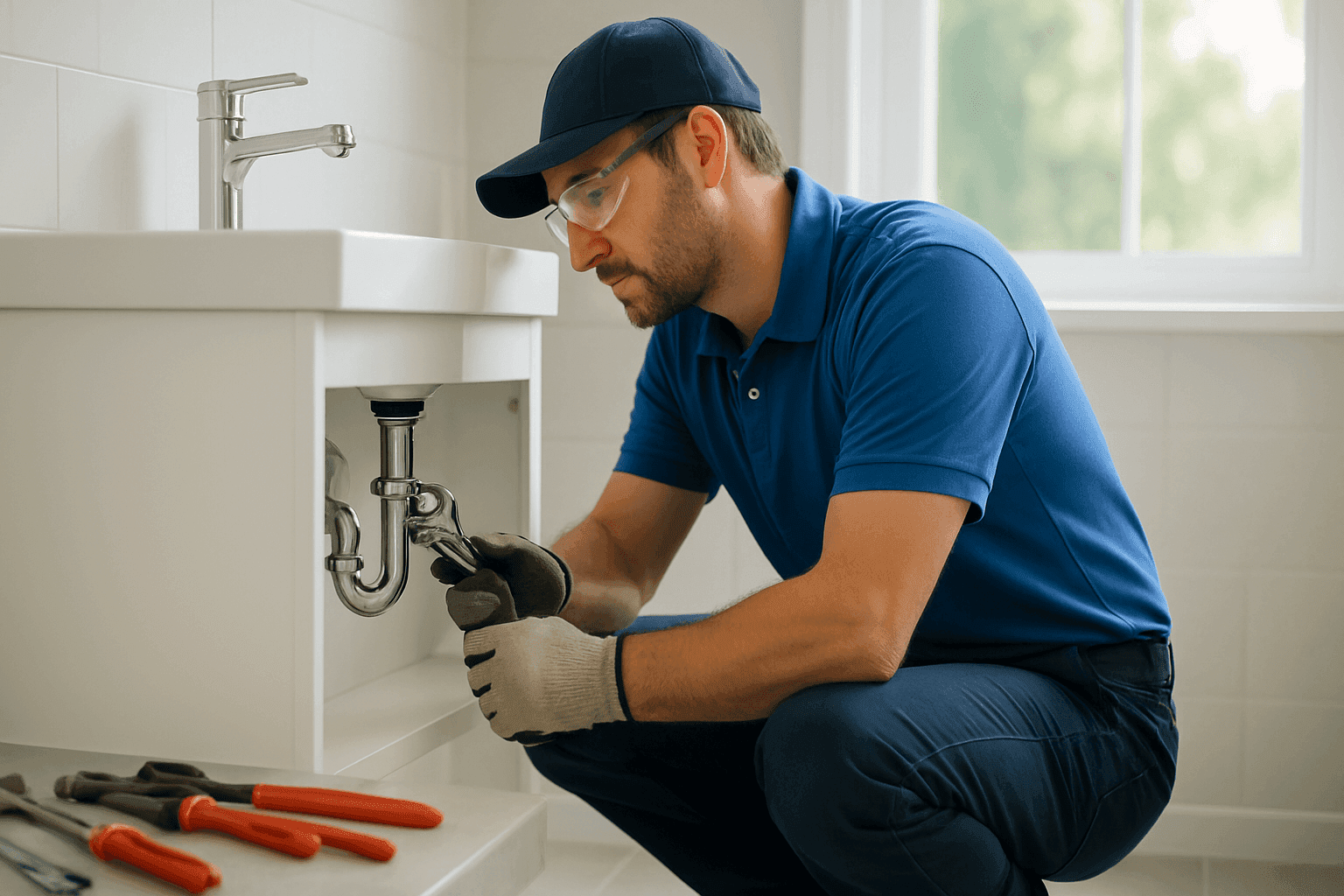
Is your bathroom sink acting up again? A slow drain. A drip that keeps you awake. Or maybe a surprise puddle beneath the vanity. These little nuisances can quickly snowball into bigger headaches—especially if ignored. At Renegar Plumbing, we see it all, from quick fixes to true emergency plumbing calls. Here’s how you can tackle these issues before they spiral.
Let’s walk through the most common bathroom sink problems, step-by-step fixes, and when it’s best to hand things over to a professional.
Why Is My Bathroom Sink Misbehaving? 🚰
Bathroom sinks are like the traffic lights of your home’s plumbing system. When they’re working, you hardly notice. But when something goes wrong—clogs, leaks, or drips—everything comes to a screeching halt.
Common sink problems include:
- Clogged or slow drains: Hair, toothpaste, soap scum, and everyday debris can build up over time.
- Leaky pipes or joints: Water pooling under your sink may mean a worn-out washer, cracked pipe, or loose connection.
- Dripping faucets: That steady “plink” is more than annoying—it can waste gallons and hike up your bill.
- Low water pressure: Sometimes, the culprit is a hidden blockage or mineral buildup in your faucet aerator.
Understanding what’s happening beneath the surface helps you choose the right fix—and avoid damage to your home.
Quick Safety Checklist
Before you grab the wrench, safety comes first. Here’s what you should always do:
- Turn off the water supply. Locate the shut-off valves under the sink and twist them clockwise.
- Unplug nearby electrical devices. Water and electricity never mix.
- Clear the area. Remove cleaning supplies and personal items to prevent accidents.
- Wear gloves and eye protection. You never know what’s lurking in those pipes.
- Keep a towel or bucket handy. For catching drip or overflow during repairs.
Staying safe isn’t just about avoiding cuts or shocks—it’s about protecting your home and your health.
DIY Repairs: What You Can Tackle
Some bathroom sink issues are straightforward. If you’re comfortable with basic tools, try these fixes before calling in the cavalry.
Clearing a Simple Clog
You’ll need:
- Plunger (cup-style for sinks)
- Adjustable wrench or channel-lock pliers
- Bucket
- Old toothbrush or pipe brush
Steps:
- Remove the sink stopper. Pull it up and out, or unscrew the pivot nut under the sink to free it.
- Try plunging. Fill the sink with a few inches of water, then plunge firmly for 15–30 seconds.
- Check the P-trap. Place a bucket beneath, loosen the slip nuts, and remove the trap. Clear out obvious debris. Clean with a brush, rinse, and reinstall.
- Flush with hot water. Run water to test the flow.
Tip: Avoid chemical drain openers—they can damage pipes and harm the environment, as noted by the EPA.
Stopping a Dripping Faucet
Tools:
- Flathead and Phillips screwdrivers
- Allen wrench (for set screws)
- Replacement washers or cartridge (check model)
Steps:
- Shut off water. Always.
- Remove faucet handle. Pry off the cap, unscrew, and lift.
- Take out the stem or cartridge. Use your wrench if needed.
- Inspect and replace worn washers or O-rings. For cartridges, swap for a new one.
- Reassemble and test.
Note: Always match replacement parts by make/model. Manufacturer diagrams (often found on their websites) can help.
Fixing a Leak at the Joint
- Tighten the slip nuts by hand, then a quarter turn with pliers.
- If leaking persists, check for cracked washers or pipes, and replace as needed.
When to Call Renegar Plumbing (and Why It Matters)
DIY repairs are great for minor clogs or drips. But sometimes, the problem is deeper—or the fix requires skills, tools, and safety know-how only a pro brings.
Call us if you notice:
- Repeated or worsening clogs
- Water stains, mold, or odors under the sink
- Corroded or burst pipes
- Water dripping from walls or floors (could signal a hidden pipe leak)
- Fixture upgrades, repiping, or major replacements
Our team handles everything from emergency plumbing calls in the middle of the night to water heater repair near you. We work quickly and cleanly, and our repairs are backed by real warranties.
What Renegar Pros Do On Arrival
Here’s what happens when our licensed plumbers step through your door:
- Thorough inspection: We trace leaks, test drains, and inspect for hidden damage.
- Professional-grade tools: Pipe cameras, hydro-jetters, and leak detection gear pinpoint issues the eye can’t see.
- Code-compliant repairs: We follow local plumbing codes (see International Plumbing Code and state guidelines) for safe, durable results.
- Cleanup and advice: We don’t just fix—we show you what caused the problem and how to prevent a repeat.
If a fixture needs replacing or you want to upgrade, we’ll talk you through options that suit your needs and budget.
Preventing Future Sink Problems
A little attention goes a long way. These habits keep your bathroom sink trouble-free:
- Catch hair and debris: Use a drain screen or hair catcher.
- Flush with hot water: Once a week, run hot water to clear soap and scum.
- Don’t pour grease or heavy chemicals: They belong in the trash, not your pipes.
- Regular checkups: Inspect under-sink joints for drips or rust every few months.
- Schedule preventative maintenance: Have Renegar Plumbing inspect drains and pipes annually for peace of mind.
The CDC recommends regular cleaning to avoid bacteria and mold growth around sinks—good for your plumbing and your health.
Costs & Time Factors
Every sink fix is different, but here’s what to expect:
- Simple clogs: 10–30 minutes, basic tools.
- Dripping faucet: 30–60 minutes for repair or cartridge swap.
- Leaky joints or pipes: 30–90 minutes, depending on access and pipe condition.
- Professional repairs: Most common jobs done within an hour after arrival.
More complex issues—like corroded pipes or hidden leaks—can take longer and may require parts or fixture replacement. Always ask your plumber for an estimate before work begins.
When It’s an Emergency
Some sink problems can’t wait:
- Water overflowing onto floors
- Major leaks that won’t stop even after shutting off local valves
- Sewage odors or backups
- No water at all (could indicate a bigger supply issue)
These situations risk water damage, mold, and health hazards. Don’t wait—call Renegar Plumbing for emergency plumbing help, day or night.
FAQ: Bathroom Sink Repairs
How often should I clean my bathroom sink drain?
At least once a month. Use a drain screen and flush with hot water weekly.
Can I use a chemical drain cleaner for clogs?
It’s not recommended. Chemicals can eat away at pipes and harm the environment (EPA). Stick to mechanical methods or call a pro.
Why won’t my faucet stop dripping after a washer change?
Some faucets use cartridges or ceramic discs instead of washers. The fixture may also be damaged or corroded. It’s time to call a professional.
Is a slow drain always a clog?
Not always. Sometimes the vent pipe is blocked or there’s a deeper issue in the plumbing stack—especially in older homes.
Local and Seasonal Considerations
Plumbing problems don’t keep a calendar, but weather can play a role:
- Winter: Pipes under the sink can freeze in drafty bathrooms—insulate where possible.
- Spring/Fall: Heavy rain or sudden temperature swings can stress older pipes and joints, making leaks more likely.
- Hard water areas: Mineral buildup in aerators and drains is more common—clean regularly or ask about water filtration systems.
No matter the season, our team is always ready for emergency plumbing calls and urgent repairs.
A bathroom sink that works right is easy to take for granted—until it doesn’t. Whether you need a quick fix, advice, or a full repair, Renegar Plumbing is only a call away.
Call Renegar Plumbing now — or reach us anytime at 888-899-9250 .