Boiler Repair and Maintenance: A Homeowner’s Essential Guide
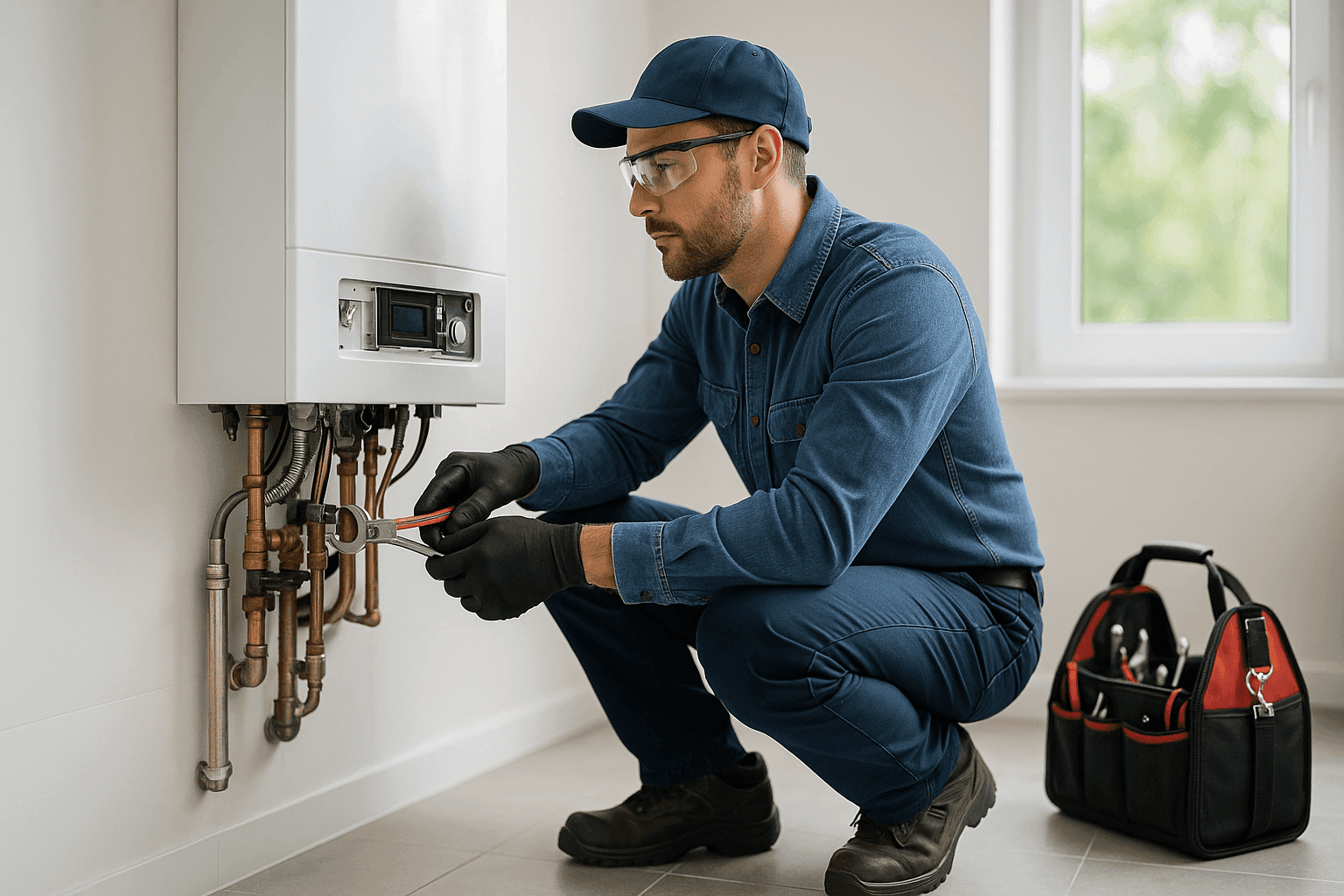
Boilers are the quiet workhorses of many homes—out of sight, out of mind, until something goes wrong. When your heat vanishes on a frosty morning, you notice. And suddenly, every odd noise or drip becomes a source of worry.
At Renegar Plumbing, our certified technicians see it all. From small leaks to total breakdowns, we know how urgent boiler issues can be. This guide helps homeowners recognize early warning signs, understand basic troubleshooting, and know exactly when to call for emergency plumbing—day or night.
Common Boiler Warning Signs
Boilers rarely fail without giving a few telltale hints first. Ignore these, and a small problem can quickly snowball into a costly emergency. Watch for these red flags:
- No heat or hot water — The most obvious sign. If your radiators are cold, or hot water isn’t reliable, your boiler needs attention.
- Unusual noises — Banging, whistling, or gurgling sounds often mean air in the system, low pressure, or a failing part.
- Water leaks — Puddles near the boiler, dampness, or rust around connections indicate trouble.
- Low pressure — Most boilers need a certain pressure to operate. Check the gauge; a drop could signal a leak or pressure relief valve problem.
- Frequent resets — Constantly needing to restart the system? That’s not normal.
- Pilot light problems — A yellow or flickering flame, or one that goes out, could mean a gas supply or safety issue.
- Error codes — Modern boilers will flash a fault code. Note it, then call a professional.
Like a car with a blinking dashboard light, your boiler is asking for help—don’t ignore it.
Quick Safety Checklist 🛑
Before you try anything, safety comes first. Boilers mix water, heat, gas, and electricity. Here’s what every homeowner should do right away:
- Smell gas? Leave immediately and call your utility provider.
- Turn off the boiler at the main switch if you see leaks, sparks, or smoke.
- Wait 10 minutes after shutdown before touching any parts.
- Only reset the boiler once. If it won’t restart, don’t force it.
- Never remove panels or covers unless the manual says it’s safe.
- Make sure the area around your boiler is clear and dry.
- Check for carbon monoxide alarms—every home with a boiler should have one, as recommended by the CDC.
If in doubt, always lean toward caution. No warm shower is worth risking your safety.
DIY Boiler Troubleshooting: What’s Safe for Homeowners?
Some boiler hiccups are easy to fix. Others need a professional hand. Here’s what you can try before calling for emergency plumbing:
Safe Steps You Can Take
- Check the thermostat — Make sure it’s set to “heat” and the temperature is above room temperature.
- Inspect pressure — If the pressure is low (below 1 bar), consult your manual for how to top it up. If it drops again, call a pro.
- Bleed radiators — Cold spots? Air might be trapped. Use a radiator key to release air (have a towel ready).
- Reset the boiler — Use the reset button if there’s a one-off error. If it keeps happening, that’s a sign of a deeper problem.
- Look for visible leaks — Tighten any loose valves by hand, but never use tools.
When to Stop
If you smell gas, see water pouring out, or hear loud clanging, stop. These issues can quickly turn serious. That’s when you need Renegar Plumbing’s 24/7 emergency service.
What Certified Pros Do When They Arrive
When you call Renegar Plumbing, our certified boiler techs show up with the right tools and know-how. Here’s what you can expect:
- Detailed inspection — We check all visible pipes, joints, and the boiler casing for leaks or corrosion.
- Diagnostics — Using manufacturer codes, pressure gauges, and electrical meters, we pinpoint the exact failure.
- Safety checks — Gas lines and venting are tested to meet local codes, and carbon monoxide risks are assessed.
- Code compliance — All repairs and replacements follow standards from the National Fire Protection Association (NFPA) and your local building authority.
- Efficient repairs — We stock parts for major brands to get your heat and hot water back on fast.
Our team handles every type of residential boiler—gas, electric, or combi. We also provide advice on upgrades or efficiency improvements if your current system is aging.
Prevention & Maintenance: Keep Your Boiler Healthy
A little care goes a long way. Think of boiler maintenance like a yearly doctor’s visit—it keeps little problems from becoming major headaches.
Seasonal Maintenance Tips
- Annual inspection — Schedule a certified technician to check your system each fall.
- Flush the system — Removes sediment that can clog pipes and reduce efficiency.
- Test the thermostat — Make sure it’s accurately reading room temperature.
- Check for leaks — Inspect around the boiler and radiators for any signs of moisture.
- Clear the area — Keep the space around your boiler free of clutter, dust, and debris.
- Review carbon monoxide alarms — Test and replace batteries regularly.
- Monitor water pressure — A healthy boiler should hold steady pressure between 1–2 bars.
Regular tune-ups can extend your boiler’s life, improve efficiency, and cut down on emergency plumbing calls.
Cost & Time Factors: What to Expect
Boiler repair costs can vary. The price depends on the make, model, age, and the type of repair needed. Here’s what affects the bill:
- Simple fixes (like pressure adjustments or thermostat replacements) are usually quick—30 minutes to an hour.
- Parts replacement (such as pumps, valves, or sensors) may take 1–3 hours.
- Major repairs (like heat exchanger swaps or extensive leak fixes) can take several hours, sometimes requiring parts orders.
Upgrading to a modern, high-efficiency boiler may be a smart investment if your current unit is more than 15 years old. New models often pay for themselves with lower energy bills. Always ask your technician about potential rebates or efficiency ratings.
When It’s an Emergency 🚨
Some boiler issues just can’t wait. Call for emergency plumbing if:
- There’s a gas smell or visible flame where it shouldn’t be.
- Water is pouring out of the unit or surrounding pipes.
- The boiler is making loud, alarming noises (think: banging, hissing, or popping).
- Your carbon monoxide alarm sounds.
- The system repeatedly fails to power on, or electrical circuits trip.
Renegar Plumbing is always ready—24/7, 365 days a year. No matter your boiler’s brand or age, our certified techs respond fast.
FAQ: Boiler Repair & Maintenance
How often should I service my boiler?
At least once a year. Annual inspections help catch problems early and keep your home safe and warm all winter.
Is it safe to repair my own boiler?
Most repairs should be left to professionals, especially anything involving gas, wiring, or water leaks. You can bleed radiators and check pressure, but deeper issues need a certified technician.
What’s the life expectancy of a residential boiler?
With regular maintenance, most boilers last 10–15 years. Upgrading before major failures can save money on utilities and unexpected repairs.
Are all boiler repairs covered by insurance?
Not always. Insurance may cover damage from sudden leaks, but routine maintenance and wear-and-tear repairs are typically the homeowner’s responsibility. Check your policy for details.
Local & Seasonal Considerations
Winter brings extra strain to boilers, especially after the first cold snap. Frozen pipes, increased demand, and long idle periods in summer can all trigger issues. Schedule maintenance before the coldest months. If you’re planning a remodel or adding appliances, mention this to your technician—your system may need adjustments to stay code-compliant and efficient.
For safety, always follow recommendations from the National Fire Protection Association (NFPA) and the U.S. Consumer Product Safety Commission (CPSC). These organizations set the standards that keep your home protected.
When your home’s comfort and safety are on the line, don’t wait. If you notice warning signs or need emergency plumbing, Renegar Plumbing is standing by with certified boiler techs—day or night.
Call Renegar Plumbing now — or reach us anytime at 888-899-9250 .