Choosing the Right Water Filtration System for Your Home
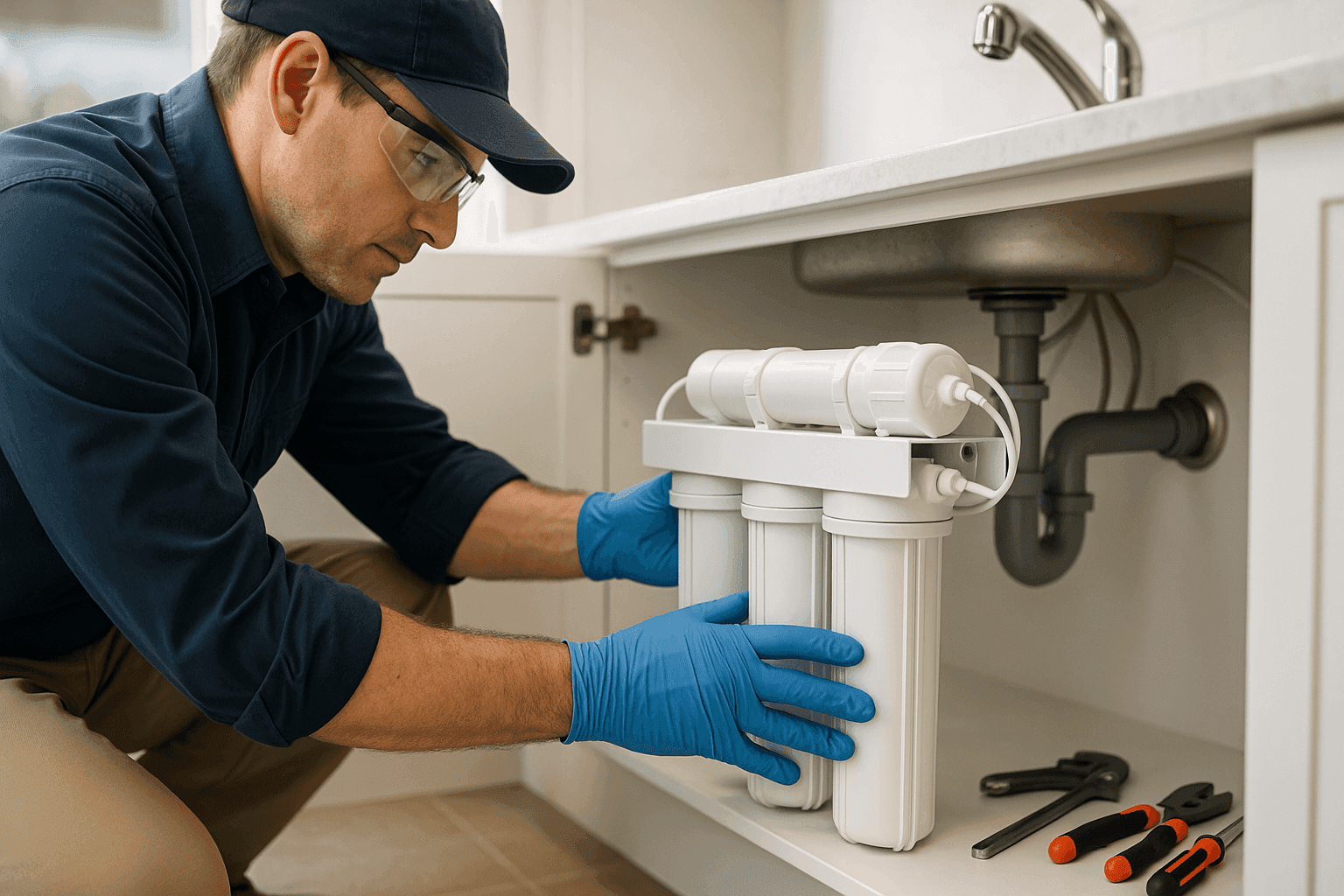
Choosing what your family drinks and washes with isn’t just about taste—it's about health, safety, and peace of mind. Tap water might look clear, but what’s in it can be a mystery. And when something smells off or you spot stains on the sink, urgency kicks in. That’s where Renegar Plumbing steps in, bringing decades of hands-on know-how to homes just like yours.
Whether you’re worried about weird tastes, recent boil advisories, or you want to take action before a problem hits, finding the right water filtration is a smart move. Here’s how to cut through the noise and get what your home really needs.
The Problem: What’s Lurking in Your Water?
We trust our water, but even the cleanest tap can carry surprises. Rust, chlorine, lead, or even bacteria might sneak in—especially after storms, pipe repairs, or aging infrastructure. Sometimes, it’s obvious: water smells like a swimming pool, turns your coffee funny colors, or leaves crusty spots on the faucet. Other times, the risk is invisible.
The Environmental Protection Agency (EPA) and Centers for Disease Control and Prevention (CDC) both stress the importance of regular water quality checks. If you’ve never tested your water, or you notice odd changes, you’re not alone. These issues can affect everything from your morning glass to your emergency plumbing call at midnight.
Quick Safety Checklist 🛑
Before you choose a filtration system, run through this list:
- Check your annual water quality report (typically mailed or posted online by your supplier).
- Look for warning signs: smells, cloudiness, stains, or odd tastes.
- Test your water: Home kits can spot chlorine, lead, and pH. For bacteria and harder-to-spot issues, consider a certified lab.
- Know your plumbing: Older homes may have lead pipes or outdated fixtures.
- Review local advisories: Municipal alerts, boil warnings, or seasonal changes can impact quality fast.
Staying alert helps you spot problems early—before they become emergencies.
Types of Water Filtration Systems
Not all filters are created equal. Some work like a trusty umbrella in a drizzle; others are a full-on raincoat for a storm. Here’s a look at the main types, so you can match your needs to what’s out there.
Whole-House Filtration
What it does: Filters all water entering your home. Every tap, every appliance, protected.
Best for: Homes with widespread water issues—sediment, rust, chlorine, or hard water.
Pros:
- Treats every drop, from the shower to the dishwasher.
- Can improve water heater and plumbing lifespan.
Cons:
- Higher upfront cost.
- Professional installation usually required.
- Maintenance covers large filters.
Under-Sink Filters
What it does: Installs beneath a specific sink—usually the kitchen—for targeted filtration.
Best for: Drinking and cooking water concerns.
Pros:
- Discreet and focused.
- Easier to install than whole-house.
- Good at removing chlorine, lead, and some chemicals.
Cons:
- Only treats one tap.
- Filters need regular changes.
Faucet-Mounted Filters
What it does: Attaches right to your faucet. Flip a switch, and filtered water flows.
Best for: Renters, or quick upgrades with minimal fuss.
Pros:
- Inexpensive.
- No tools required.
- Easy to move or replace.
Cons:
- Slower flow rate.
- Only fits standard faucets.
- Shorter filter life.
Reverse Osmosis (RO) Systems
What it does: Pushes water through a membrane so fine, it blocks almost everything but pure H₂O.
Best for: Families concerned about heavy metals, nitrates, or persistent chemicals.
Pros:
- Removes a wide range of contaminants.
- Reliable for serious water quality issues.
Cons:
- Wastes some water during filtration.
- Slower to refill.
- Bulky under the sink.
UV (Ultraviolet) Purifiers
What it does: Uses light to zap bacteria, viruses, and microbes.
Best for: Well water or places with frequent boil advisories.
Pros:
- Kills germs without chemicals.
- No taste or odor changes.
Cons:
- Doesn’t remove solids or chemicals—usually paired with another filter.
- Needs electricity.
Pros & Cons of Each System
Choosing a system can feel like picking the right tool from a crowded toolbox. Here’s a quick rundown:
Whole-House:
- Covers every tap
- Reduces wear on pipes
– Higher cost
– May need pro installation
Under-Sink:
- Great for drinking/cooking
- Moderate price
– Only one location
– Filter changes
Faucet:
- Simple, budget-friendly
- No install hassle
– Limited capacity
– Slower flow
RO:
- Excellent for tough contaminants
- High purification
– Water waste
– Initial expense
UV:
- Germ-killing powerhouse
- No chemicals
– Does not remove metals
– Needs pre-filtering
Installation Overview
Thinking about tackling this yourself? Some systems are plug-and-play, while others demand a bit more elbow grease—and sometimes, a call for emergency plumbing backup.
- Whole-house units: Mounted on your main water line, often near the water heater. Shutting off water, cutting pipes, and ensuring a leak-proof fit is crucial. National Plumbing Code and local requirements apply.
- Under-sink and RO systems: Most require drilling a hole for a separate faucet and connecting to cold water lines. Watch out for leaks.
- Faucet filters: Usually a twist-on, tool-free job.
- UV systems: Must be wired and placed after sediment and carbon filters to work safely.
For anything past a basic faucet filter, professional installation is smart. Certified plumbers like those at Renegar Plumbing ensure no cross-connections, leaks, or code violations. That’s peace of mind you can taste.
Maintenance Needs
Your water filter is like a car’s oil filter—it only works if you keep it fresh.
- Whole-house: Replace filters every 3–6 months, depending on your water and system.
- Under-sink/RO: Change cartridges as recommended (often 6–12 months). RO membranes last 2–3 years.
- Faucet filters: Every 2–3 months, or as soon as flow slows down.
- UV bulbs: Annually, even if the light still works.
- Check seals and connections for leaks after every filter change.
Ignoring filter changes is like driving on bald tires—eventually, something gives.
Cost Breakdown
Sticker shock? Don’t be surprised. Here’s what to expect:
- Whole-House Systems: Equipment $800–$3,000+. Installation adds $500–$2,000 depending on complexity.
- Under-Sink/RO: $150–$600 for the unit, plus $150–$400 for installation.
- Faucet Filters: $20–$100. No install costs.
- UV Purifiers: $300–$1,200, with $200–$500 install.
Ongoing costs: Filter replacements run $30–$200 per year, depending on system and usage. UV bulbs are usually $60–$150 a year.
Worth noting: Clean water can help prevent bigger repairs—like Water Heater Repair near you or emergency plumbing calls for corroded pipes.
When It’s an Emergency
Sudden water changes—cloudiness, strong odors, or a boil advisory—aren’t just a nuisance. They’re a warning. If your water pressure drops, toilets back up, or you suspect contamination, don’t wait. Shut off your main supply and call for help. Renegar Plumbing is ready 24/7 for emergency plumbing, leak detection, and fast diagnosis.
DIY vs. Call a Pro
Some filters are as easy as screwing in a lightbulb. Others need specialized tools, pipe cutting, and a good eye for leaks. Ask yourself:
- Do you understand your home’s plumbing layout?
- Are you comfortable shutting off water and working under sinks?
- Will your installation meet local plumbing code?
- Do you want certification (NSF/ANSI) proof for insurance or home sales?
When in doubt, a licensed plumber makes sure everything is safe, up to code, and reliable for the long haul.
What Pros Do On Arrival
When a Renegar Plumbing pro arrives, here’s what you can expect:
- Inspect your plumbing and water main for compatibility.
- Review your water test results and listen to your concerns.
- Recommend the best system for your plumbing, budget, and health goals.
- Install and test the system, checking for leaks and correct flow.
- Provide maintenance tips and set up reminders for filter changes.
We’ve helped families reduce lead levels, banish “rotten egg” smells, and keep pipes free from sediment. Our team follows local plumbing codes and product certifications (like NSF/ANSI), so your system doesn’t just work—it’s backed by industry standards.
Prevention & Maintenance Tips
- Test your water yearly, especially if you notice changes.
- Change filters on schedule—set a calendar reminder.
- Flush new filters according to manufacturer instructions to clear carbon dust.
- Inspect for leaks after every filter change.
- Keep track of system certifications: Look for NSF (National Sanitation Foundation) or ANSI (American National Standards Institute) marks.
Good maintenance means fewer surprises—and fewer emergency plumbing calls.
Costs & Time Factors
- Simple faucet filters: Install in minutes. Last 2–3 months.
- Under-sink systems: 1–2 hours for install, annual cartridge changes.
- Whole-house or UV: Half a day to full day for install, maintenance 2–4 times per year.
- Emergency repairs: Same-day service, but prevention is always cheaper.
A bit of time now can save hours (and big bills) later.
Frequently Asked Questions
What’s the difference between a filter and a purifier?
Filters remove particles and some chemicals. Purifiers, like UV, kill bacteria and viruses. Many homes use both for full protection.
How do I know what’s in my water?
Check your city’s annual water report. For private wells, get a certified lab test at least once a year (CDC recommends this).
Will a filtration system fix low water pressure?
Not always. Sometimes, clogs or leaks are the cause. But sediment filters can help if buildup is the problem. For persistent low pressure, consider calling for a pipe inspection or Water Heater Repair near you.
Do I need a pro to install my filter?
It depends on the system and your comfort level. Whole-house and under-sink systems often need professional installation to ensure everything is safe and up to code.
Local & Seasonal Considerations 🌦️
- Rainy seasons: Can stir up sediment and bacteria, especially in well water.
- Old neighborhoods: Older pipes may add rust or lead.
- Droughts: Concentrate contaminants as water sources shrink.
- Winter: Frozen pipes can burst, introducing debris into your water.
Renegar Plumbing keeps up with local trends and seasonal risks—so your water is safe, year-round.
Choosing the right water filtration isn’t just a one-time decision. It’s about protecting your family and your plumbing all year. If you’re ready to take the next step, have questions about installation, or need emergency plumbing fast, we’re here to help.
Call Renegar Plumbing now — or reach us anytime at 888-899-9250 .