Drain Cleaning 101: DIY vs. Professional Service
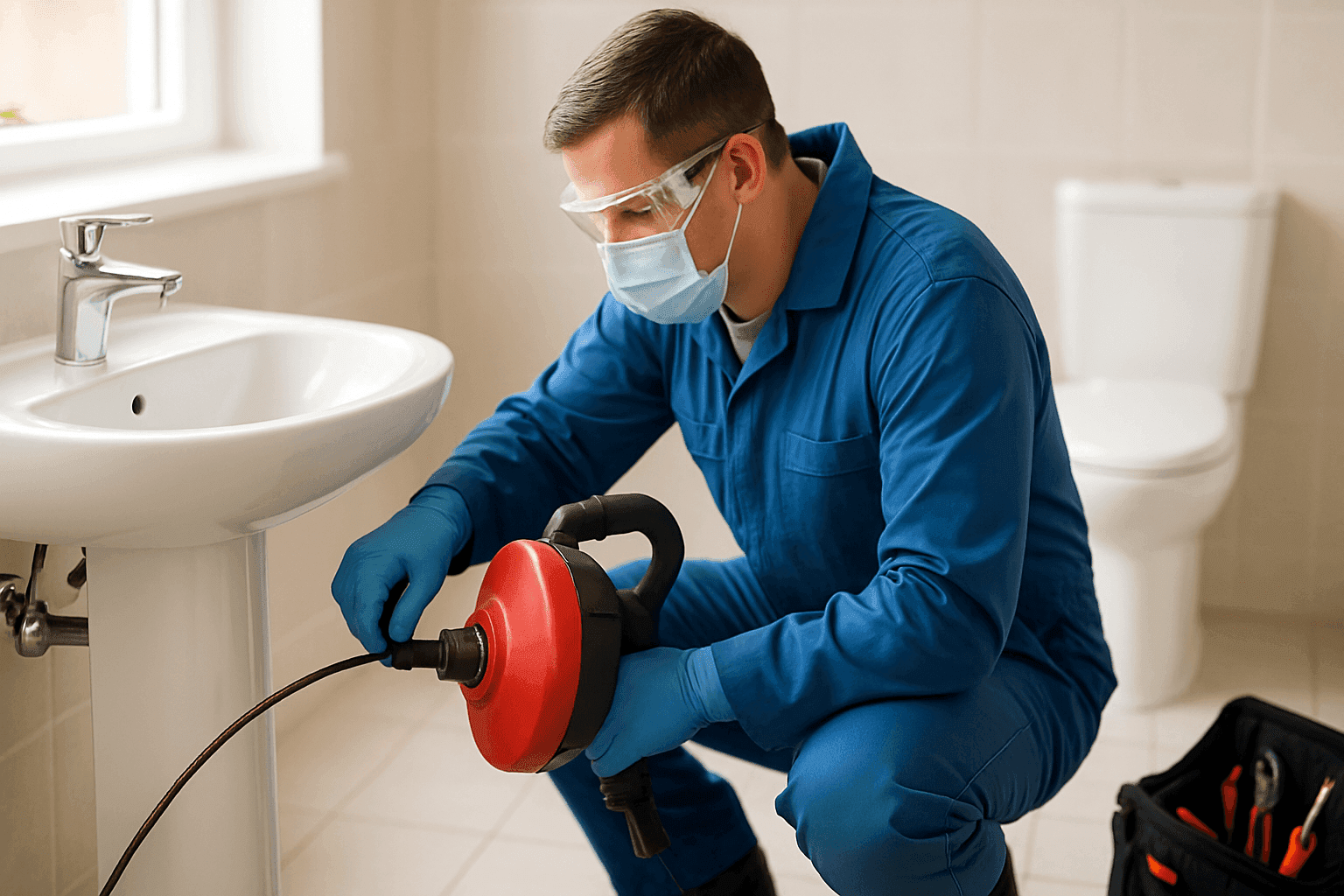
Is your tub draining slower than a lazy river in August? Maybe your kitchen sink suddenly gurgles like it’s haunted. We’ve all been there—a clog always seems to strike at the worst possible time. At Renegar Plumbing, we know the stress a backed-up drain brings to a busy home. Whether it’s a minor nuisance or a sudden emergency plumbing issue, you want it fixed—fast and safely.
Let’s roll up our sleeves together. We’ll dig into what causes drain clogs, show you safe do-it-yourself steps, and explain when it’s smart to call for professional help. We'll also share real-world examples and prevention tips to help you keep things flowing smoothly.
Why Drains Clog: The Usual Suspects 🚿
Drains are like the unsung heroes of your home—until they stop working. Clogs form when everyday debris gets trapped, building up over time. Here’s what’s most likely causing trouble:
- Hair: The classic culprit in bathroom sinks and tubs.
- Grease & Food: Kitchen drains are magnets for cooking oil, coffee grounds, and food scraps.
- Soap Scum: Over time, soap residue combines with minerals and hair, forming sticky clogs.
- Foreign Objects: Children’s toys, cotton swabs, too much toilet paper—sometimes the unexpected strikes.
- Roots: Tree roots can sneak into aging sewer lines, causing major blockages.
Ignoring these issues can lead to water backing up, slow drains, or even pipe damage.
Quick Safety Checklist
Before you dive in, let’s cover a few basics to keep your home and pipes safe:
- Turn off water supply to the fixture if there’s risk of overflow.
- Wear rubber gloves—drain work gets messy.
- Avoid mixing cleaners (especially chemical ones), which can create hazardous fumes.
- Have a bucket and towels nearby for spills.
- Know your plumbing layout—locate your main shutoff in case things go sideways.
If you ever smell gas or suspect a sewer backup, step away and call an emergency plumbing service immediately.
DIY Drain Cleaning: What Works, What Doesn’t
Sometimes, you can clear a clog with tools you already have. Other times, it’s best to call a professional. Here’s how to tell the difference.
DIY Fixes You Can Try
- Plunger: A good old-fashioned plunger works wonders for sinks and tubs. Create a tight seal and pump firmly.
- Drain Snake or Auger: These flexible tools reach deep into pipes to snag or break up clogs. For most homeowners, a hand-cranked snake is safest.
- Safe Homemade Cleaners: Pouring a mix of baking soda followed by vinegar, then flushing with hot (not boiling) water, can help with minor buildup. This won’t harm pipes like harsh chemicals do.
What to Avoid
- Chemical Drain Cleaners: These can eat away at older pipes, cause burns, and damage septic systems. The Environmental Protection Agency and local building codes recommend against routine use.
- Wire Hangers: Bending a hanger can scratch pipes or push clogs deeper.
If you’ve tried these and water still doesn’t flow, or you hear gurgling from other drains, it’s a sign of a deeper problem.
When to Call a Pro: Signs You Need Professional Help
Some clogs are stubborn. Here’s when it’s time to bring in the heavy hitters:
- Multiple drains are slow or backed up at once.
- Water backs up into sinks or tubs when you flush.
- You notice foul odors or hear bubbling in the pipes.
- DIY attempts haven’t worked, or you suspect a bigger issue (like tree roots or collapsed pipes).
Professional plumbers, like those at Renegar Plumbing, use specialized tools and techniques:
- Hydro-Jetting: A high-pressure water stream scours pipes clean, removing years of buildup without chemicals.
- Video Camera Inspection: Small cameras snake through your pipes, pinpointing the exact location and type of clog—no guesswork.
- Mechanical Augers: Industrial-grade snakes reach deep into the system, breaking up even the toughest blockages.
What Pros Do On Arrival
You called. Now what? Here’s what to expect from a Renegar Plumbing visit:
- Assessment: We ask about the problem, check your fixtures, and look for telltale signs (like water stains or odd noises).
- Camera Inspection: For tough or recurring clogs, we use video inspection to see what’s happening inside your pipes.
- Choosing the Right Tool: Based on what we find, we may use a mechanical auger or hydro-jetting to clear the line.
- Testing & Clean-up: We run water, check for leaks, and make sure everything’s flowing before we finish.
Case Example:
A homeowner called us after their kitchen sink backed up repeatedly. DIY attempts failed, and water started pooling under the sink. Using a camera, we found a wad of grease and food debris deep in the pipe. Hydro-jetting cleared the blockage completely—and the homeowner’s next dinner party went off without a hitch.
Prevention & Maintenance: Keeping Drains Clear
An ounce of prevention is worth a gallon of emergency calls. Try these tips:
- Use Drain Screens: Catch hair and food scraps before they go down the drain.
- Dispose of Grease Properly: Pour cooled grease into a container, not your sink.
- Flush With Hot Water: Once a week, run hot water down the drain to dissolve minor buildup.
- Limit Garbage Disposal Use: Avoid fibrous foods, potato peels, and eggshells.
- Schedule Regular Inspections: Annual camera checks catch small issues before they become big messes.
Refer to your local plumbing code or the International Plumbing Code for tips on safe and compliant drain use.
Costs & Time Factors: What to Expect
How much and how long? Every clog is different, but here’s what typically factors in:
- DIY Methods: Many clogs clear in 15–30 minutes with a plunger or snake.
- Professional Visits: Depending on severity, most drain cleaning calls take 1–2 hours.
- Advanced Services: Hydro-jetting or camera inspections may add time, especially for main lines or severe blockages.
- Costs: These vary by severity, location, and whether repairs are needed (like replacing damaged pipes).
Quick tip: The longer you wait, the more complicated (and expensive) the fix can become.
When It’s an Emergency 🚨
Some drain problems just can’t wait:
- Sewage backing up into your home.
- Standing water that won’t drain after multiple attempts.
- Clogs that affect multiple fixtures at once.
- Flooding near your foundation or basement.
Renegar Plumbing offers 24/7 emergency plumbing services—so you’re never left in the lurch.
Case Example:
A family woke up to a flooded basement after a sudden storm. Their sump pump failed, and drains were clogged with yard debris. Our team arrived within the hour, cleared the lines, repaired the pump, and stopped the flooding before major damage set in.
FAQ: Common Drain Cleaning Questions
How often should I clean my drains?
Monthly for light maintenance; yearly for professional inspection.
Is hydro-jetting safe for old pipes?
Generally, yes—but we always inspect first. Extremely old or damaged pipes may need gentler methods or replacement.
Are chemical drain cleaners ever safe?
They’re best avoided. Even “safe” products can corrode pipes or cause skin burns. Stick to mechanical or natural methods.
What should I do if water backs up into my tub or toilet?
Stop using water immediately and call an emergency plumbing service. This usually means a main line blockage.
Local & Seasonal Drain Considerations
Some seasons are harder on your plumbing than others:
- Spring & Fall: Heavy rains can overwhelm outdoor drains and sump pumps. Clean gutters and check basement drains.
- Winter: Frozen pipes and slow drains are common. Insulate exposed pipes and avoid dumping grease, which hardens quickly in cold weather.
- Older Homes: Homes with mature trees are at higher risk for root intrusion—regular sewer line inspection can save big headaches.
If you’re wondering about “Water Heater Repair near you” or need help with other plumbing issues, Renegar Plumbing is always ready.
When your drains slow down, don’t let frustration bubble over. Whether it’s a quick DIY fix or a full-blown emergency, Renegar Plumbing has the tools and know-how to get your home back on track.
Call Renegar Plumbing now — or reach us anytime at 888-899-9250 .