The Homeowner’s Guide to Garbage Disposal Repair
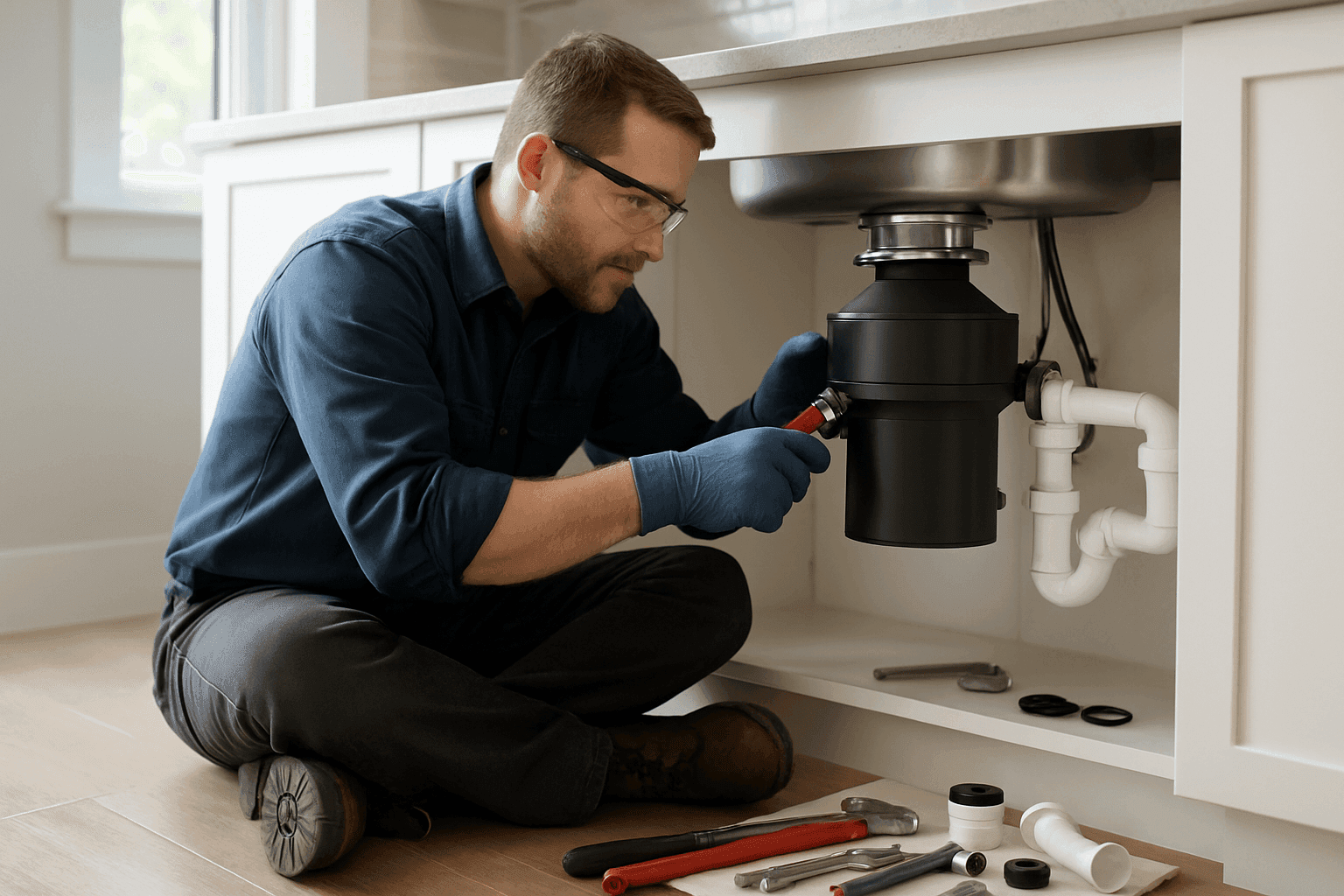
Life moves fast. When your garbage disposal quits, it’s like a gear slipping in the kitchen machine. Suddenly, meal prep halts, and unpleasant odors creep in. At Renegar Plumbing, we know that a healthy disposal keeps your kitchen humming—and that breakdowns never happen at a good time.
Whether you're facing a stubborn jam, mysterious grinding, or a puddle forming under the sink, we’re here to help you solve the puzzle. This guide arms you with practical steps and safety tips. You'll know when to grab a wrench—and when to call in emergency plumbing support.
Spotting Garbage Disposal Problems Early
Your garbage disposal is tough, but it’s not invincible. Like a coffee grinder, it needs the right inputs and a little care. Here’s how you know something’s off:
- It won’t turn on. Silence or a gentle hum can signal an electrical hiccup or jam.
- Strange noises. Grinding, rattling, or metal-on-metal clatter means something’s stuck or broken.
- Foul odors. Persistent smells can mean trapped food, grease, or mold.
- Frequent resets. If you’re pressing the reset button often, something’s not right inside.
- Leaks or puddles. Water under the sink? The culprit may be your disposal, flanges, or pipes.
Stay alert for these signs. Catching problems early can prevent bigger headaches.
Quick Safety Checklist 🛑
Before you touch anything, safety first. A garbage disposal is a powerful tool—treat it with respect.
- Cut the power. Unplug the unit or flip the breaker. Never rely on the wall switch alone.
- Keep hands out. Use pliers, tongs, or a wooden spoon—never your fingers.
- Avoid water. Don’t work on a wet unit or with wet hands.
- Check for leaks. If you see water, dry the area to avoid slips or electric shock.
- Know your model. Look for the brand and manual. Most include diagrams and safe reset instructions.
The U.S. Consumer Product Safety Commission recommends turning off power before any appliance repair. Always double-check.
Simple Troubleshooting: DIY Flow
Let’s walk through the basics. Sometimes, a little know-how is all it takes.
1. Reset Button Rescue
If the disposal hums but doesn’t spin:
- Turn off power at the source.
- Press the reset button (usually red, at the bottom of the unit).
- Wait 10 seconds, then restore power and test.
Still stuck? Move to the next step.
2. Unjamming the Blades
Hear a low hum, but no grinding? You may have a jam.
- Power off first. Unplug or switch off the breaker.
- Insert an Allen wrench into the slot beneath the unit (most disposals have one).
- Twist gently back and forth. This can free stuck blades.
- Use tongs to remove any debris you can see from above.
- Restore power and try again.
If you’re unsure, don’t force it. Over-twisting can damage the motor.
3. Cleaning for Smell and Smoother Operation
A clean disposal is a happy disposal.
- Flush with cold water for 30 seconds.
- Grind ice cubes and a handful of salt to knock loose debris.
- Add citrus peels for freshness (but only a few—never large pieces).
Never pour harsh chemicals or drain cleaners down the disposal. They can corrode parts and void warranties.
DIY vs. Call a Pro
Some problems are like a loose shoelace—easy to fix. Others are more like a flat tire on the freeway: you want a professional.
DIY is usually safe for:
- Resetting the unit
- Clearing minor jams
- Deodorizing and cleaning
Call a pro for:
- Persistent leaks or electrical issues
- Jammed units you can’t free
- Loud, grinding noises that don’t stop
- Water backing up into other sinks
- Frequent tripping of breaker
- No power, even after resets
Trying to force repairs can make things worse—or more expensive later. If you’re searching for “emergency plumbing” or “Garbage Disposal Repair near you,” it’s time to reach out.
What Pros Do On Arrival
When you call Renegar Plumbing, here’s what happens next:
- Thorough inspection. We check power, wiring, blades, seals, and drain connections.
- Leak tracing. We find the true source, whether it’s the disposal, plumbing, or gaskets.
- Safe removal of jams. Using specialized tools for tough blockages.
- Testing and tuning. We run water and check for smooth, quiet operation.
- Advice on repair vs. replacement. If your disposal’s on its last legs, you’ll get honest guidance.
For electrical or gas safety, we always follow local codes and manufacturer instructions.
Prevention & Maintenance Tips
Keep your disposal running longer with a few easy habits:
- Run cold water during and after use—never hot, which can soften grease and cause clogs.
- Feed slowly. Don’t stuff it all at once; let small bits pass through.
- Avoid “no-go” items:
- Fibrous veggies (celery, corn husks)
- Bones or seafood shells
- Coffee grounds
- Grease or oil
- Eggshells (they can gum up the works)
- Pasta, rice, or starchy foods
- Clean monthly with baking soda and vinegar, followed by a cold water flush.
The National Association of Home Builders recommends an annual plumbing check-up—including your disposal—to catch hidden issues before they escalate.
Costs & Time Factors
How much does a garbage disposal repair cost? It depends on the problem, model, and local labor rates.
- Minor fixes: Like resets or clearing jams, usually take 15–30 minutes.
- Leak repairs or seal replacements: 30–60 minutes.
- Full replacement: Plan for 1–2 hours.
Parts and labor costs vary. If your unit is old (8–12 years), replacement may be a better long-term investment than repeated repairs.
When It’s an Emergency
Some disposal problems can’t wait:
- Flooding under the sink
- Electrical burning smells
- Sudden power loss in multiple appliances
- Sewage odors or backup
If you notice these, shut off power and water to the area, and call for emergency plumbing help right away. Water and electricity are a dangerous mix.
FAQ
How long should a garbage disposal last?
Most units work well for 8–12 years with regular care. Frequent issues may signal it’s time for a replacement, especially if repairs pile up.
Can I grind citrus peels or ice?
Yes, in small amounts. Ice helps clean blades, and citrus freshens the smell. Don’t overload, and avoid large, hard peels.
Why does my disposal smell bad?
Food residue, grease, or soap scum collect over time. Clean monthly with baking soda, vinegar, and cold water. Persistent odors may point to a clog or hidden leak.
Is it safe to use drain cleaner in a disposal?
No. Chemical cleaners can damage seals and metal parts. Stick to mechanical cleaning or call a professional.
Local & Seasonal Considerations 🏡
If you’re in an area with cold winters, freezing pipes can stress your disposal and kitchen plumbing. Always run water before and after grinding food scraps—especially during holiday cooking sprees. In older homes, pipes and disposals may need more frequent checks for leaks or wear.
Renegar Plumbing is committed to green options, like energy-efficient disposals and proper recycling of old units. Ask about eco-friendly upgrades or water filtration systems that work alongside your kitchen appliances.
When your garbage disposal grinds to a halt, don’t let it throw off your day. For safe, reliable repairs—and advice that keeps your kitchen running—Call Renegar Plumbing now — or reach us anytime at 888-899-9250 .