Gas Line Installation and Safety: What Homeowners Need to Know
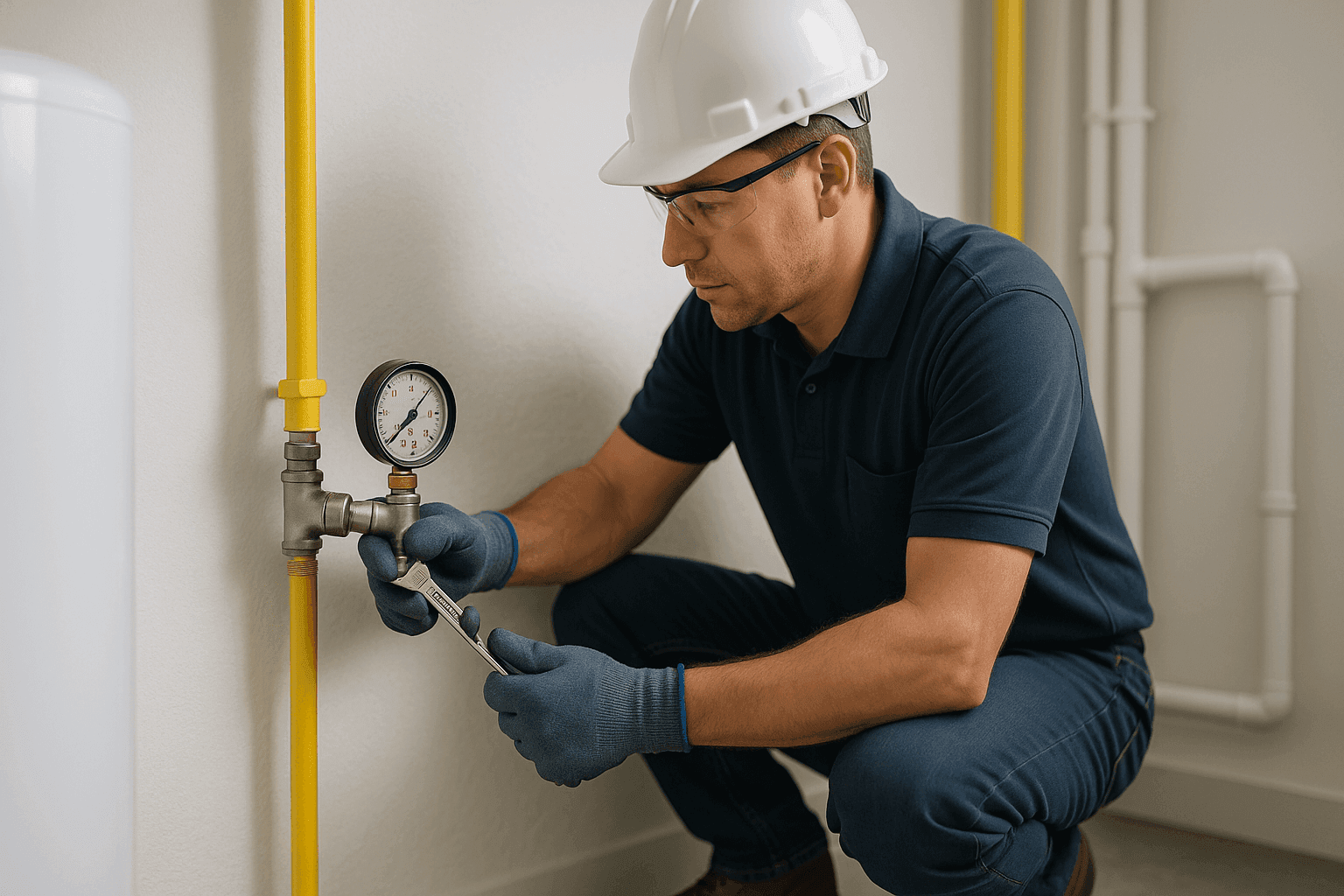
Gas lines are the silent arteries of your home. They fuel everything from your stove and water heater to the cozy warmth in winter. But when something goes wrong, it’s more than an inconvenience—it’s a risk. The smell of rotten eggs, a hissing sound, a headache that won’t quit. Gas leaks don’t wait. Neither should you.
At Renegar Plumbing, we handle emergency plumbing and gas line installation with the attention and caution your home deserves. Gas work isn’t just another “fix-it” project. It’s serious business, with safety and your family’s well-being at the heart.
The Hidden Dangers of Improper Gas Line Work
Gas lines aren’t like ordinary pipes. They carry invisible fuel—one spark, and the outcome can be disastrous. Fires, explosions, and carbon monoxide poisoning are real threats when gas lines are installed or repaired incorrectly.
Improper fittings, low-quality materials, or shortcuts can lead to leaks. The U.S. Consumer Product Safety Commission warns that gas leaks are a leading cause of residential fires. Many of these could have been prevented with proper installation and regular inspection.
Gas work is also regulated by strict local and national codes. The National Fuel Gas Code (NFPA 54) and your city’s building department have detailed rules for pipe sizing, connections, and venting. Cutting corners isn’t simply risky—it’s illegal. Home insurance may not cover damages from unlicensed work.
Think of your gas line like the brake lines in a car. Would you trust those to anyone but a trained mechanic?
Quick Gas Line Safety Checklist 🛑
- Know the smell: Utility companies add mercaptan—a rotten egg odor—so leaks are noticeable.
- Check appliances: Look for yellow flames (not blue) and soot around burners.
- Monitor for corrosion: Rusty or damaged pipes are leak risks.
- Test regularly: Schedule periodic gas safety checks and leak detection.
- Install detectors: Carbon monoxide and combustible gas alarms add peace of mind.
- Never DIY repairs: Gas lines demand certified, licensed technicians—every time.
DIY vs. Call a Pro: Where’s the Line?
Changing a faucet? Go for it. Running a new gas line for a stove? Stop right there.
DIY gas work can seem tempting. But it’s not the same as swapping out a showerhead. Even a tiny mistake—a loose fitting, the wrong sealant, using a pipe that’s too narrow—can cause slow leaks that build up over time. The result might be a silent, invisible hazard in your walls.
Licensed plumbers, like those at Renegar Plumbing, know the codes, have the right tools, and carry up-to-date certifications for gas line installation and repairs. We’re trained to detect problems you can’t see, and we’re insured if something goes wrong.
The bottom line: If you’re ever unsure, call a professional. There’s too much at stake.
What Pros Do On Arrival
When you call an emergency plumbing service for a gas line issue, here’s what to expect:
Step 1: Immediate Safety Assessment
Our first priority is safety. We’ll ask about symptoms—gas smell, headaches, or appliance issues—and advise you to leave the home if needed.
Step 2: Shut-off and Leak Detection
We’ll turn off the gas supply at the meter, then use calibrated gas detectors and soap solution to locate leaks. Sometimes, thermal imaging or pressure testing is needed for hard-to-find problems.
Step 3: Inspection and Diagnosis
We’ll examine all exposed piping, fittings, and connections, as well as appliances tied to the gas line (water heaters, ovens, boilers). We follow the National Fuel Gas Code protocols at every step.
Step 4: Repair or Replacement
Depending on the issue, we might tighten connections, replace corroded sections, or reroute piping. For new installations, we select pipe materials (often black steel, copper, or CSST tubing) that match local code and your home’s needs.
Step 5: Pressure Test and Final Check
Before turning the gas back on, we perform a pressure test—often with a gauge attached to the line—to verify all connections are airtight. Only after a successful test do we restore service.
Prevention & Maintenance Tips
Prevention is always easier than emergency plumbing repairs. Here’s how to keep your home safe:
- Annual inspections: Have your gas lines, appliances, and connections checked each year.
- Avoid clutter: Don’t stack boxes or debris around gas meters and appliances.
- Upgrade old lines: If your home’s older than 40 years, ask about repiping or safer materials.
- Watch for construction: Digging in your yard? Call 811 first to locate underground utilities.
- Educate your family: Make sure everyone knows the signs of a gas leak and what to do.
Costs & Time Factors
Gas line installation isn’t one-size-fits-all. Costs depend on:
- Length of piping required
- Type of material (black steel, copper, CSST)
- Access (finished walls/floors vs. open basements)
- Complexity (appliance hook-ups, bends, or obstacles)
- Permitting fees
A small appliance hookup might take a few hours. Whole-house repiping can stretch to several days. Emergency plumbing calls can be more expensive, especially after hours, but immediate safety always comes first.
When It’s an Emergency ⚠️
If you smell gas or suspect a leak:
- Leave your home immediately. Don’t turn lights on or off.
- Don’t use phones or electronics inside the house.
- Shut off the gas at the main valve if you know how and it’s safe.
- Call your gas utility from outside.
- Then call an emergency plumbing service like Renegar Plumbing for fast, licensed repairs.
Never try to find the leak yourself with matches or lighters. Gas moves fast and finds its way into hidden spaces. Treat every suspected leak as urgent.
Frequently Asked Questions
How often should gas lines be checked?
Most experts, including the Gas Appliance Manufacturers Association, recommend annual inspections—especially if your lines are older or if you’ve had recent renovations.
What are the signs of a gas leak?
Smell of sulfur or rotten eggs, hissing sounds, dead houseplants, headaches, or dizziness. If you notice any of these, leave right away.
Can I move a gas appliance myself?
Moving a stove a few inches? Unhook only if you’re 100% sure and never alter the supply line. New installations or re-routing pipes should always be done by a licensed professional.
Is flexible CSST tubing safe?
CSST (corrugated stainless steel tubing) is common but must be installed with proper bonding and grounding to prevent fire risk from lightning. Local code always applies.
Local and Seasonal Considerations
Cold winters mean more gas use—for heating, water heaters, and fireplaces. This puts extra strain on older lines and connections. After heavy storms or earthquakes, always check for shifting or visible damage.
If you’re in a region with clay soil or flooding, ground movement can impact underground gas lines. Schedule more frequent checks, especially after weather events.
The Renegar Difference: Certifications and Care
Renegar Plumbing’s team holds current state and local licenses for gas line installation and emergency plumbing. We’re up to date on all code changes, and every technician is trained on the latest leak detection and safety procedures.
We use only approved materials and test every connection, every time. Our crews are background-checked, insured, and always ready—day or night—to keep your home safe.
Gas work isn’t guesswork. It’s a science—and it’s your safety.
Call Renegar Plumbing now — or reach us anytime at 888-899-9250 .