Gas Safety Checks: Protecting Your Home and Family
Gas is a silent helper in our homes—warming water, fueling stoves, keeping us comfortable. But like any good helper, gas demands respect. One small leak, and the comfort it brings can quickly shift to danger.
At Renegar Plumbing, we know families rely on safe, steady gas. Our certified, insured technicians tackle water heater repair, emergency plumbing, and gas safety checks—around the clock. Let’s break down why annual gas inspections matter, what’s involved, and what you need to know to keep your home safe.
Why Annual Gas Safety Checks Matter 🏠
Gas is invisible and odorless—until something goes wrong. That’s why suppliers add a sulfur smell (think rotten eggs) to help you detect leaks. Still, gas issues can sneak up like a quiet draft in winter, putting your home and family at risk.
National Fire Protection Association (NFPA) data shows gas leaks cause thousands of emergency plumbing calls and fires every year. Routine checks aren’t just “nice to have”—they’re a vital part of home safety, just like smoke alarms or carbon monoxide detectors.
A regular gas safety check:
- Spots wear and tear before it turns into real trouble
- Ensures your system meets local safety codes
- Gives you peace of mind, especially in older homes or after renovations
Quick Gas Safety Checklist
Wondering if your home is safe? Here’s a simple, printable checklist. Walk through it once a year—or anytime you notice something odd.
- [ ] Do you smell rotten eggs near appliances or lines?
- [ ] Are flames on your stove blue (not yellow or orange)?
- [ ] Is there visible rust, soot, or burn marks around gas appliances?
- [ ] Do you hear hissing near pipes or gas meters?
- [ ] Are flexible connectors free of cracks and kinks?
- [ ] Is the area around your water heater or boiler dry (no pooling water)?
- [ ] Are vents and chimneys clear and unblocked?
- [ ] Do carbon monoxide alarms work (test monthly)?
If you checked any “yes,” it’s time to take action. If you’re not sure, call Renegar Plumbing for a professional inspection.
DIY or Call a Pro? Knowing Where the Line Is
Some things at home are perfect for a Saturday DIY. Gas lines aren’t one of them.
DIY is okay for:
- Testing your carbon monoxide alarm batteries
- Keeping vents clear of dust or debris
- Reporting strange odors or noises
Call a professional for:
- Any gas leak—period
- Installing or repairing gas lines, water heaters, or boilers
- Annual code-compliant safety inspections
Gas work requires specialized equipment and training. Cutting corners here is like patching a leaky boat with a paper towel—not worth the risk.
What Certified Pros Do On Arrival
When you call Renegar Plumbing for gas safety or emergency plumbing, our technicians show up with experience and calm. Here’s what you can expect:
- Visual inspection: We check all accessible lines, appliances, and vents for signs of wear, corrosion, or leaks.
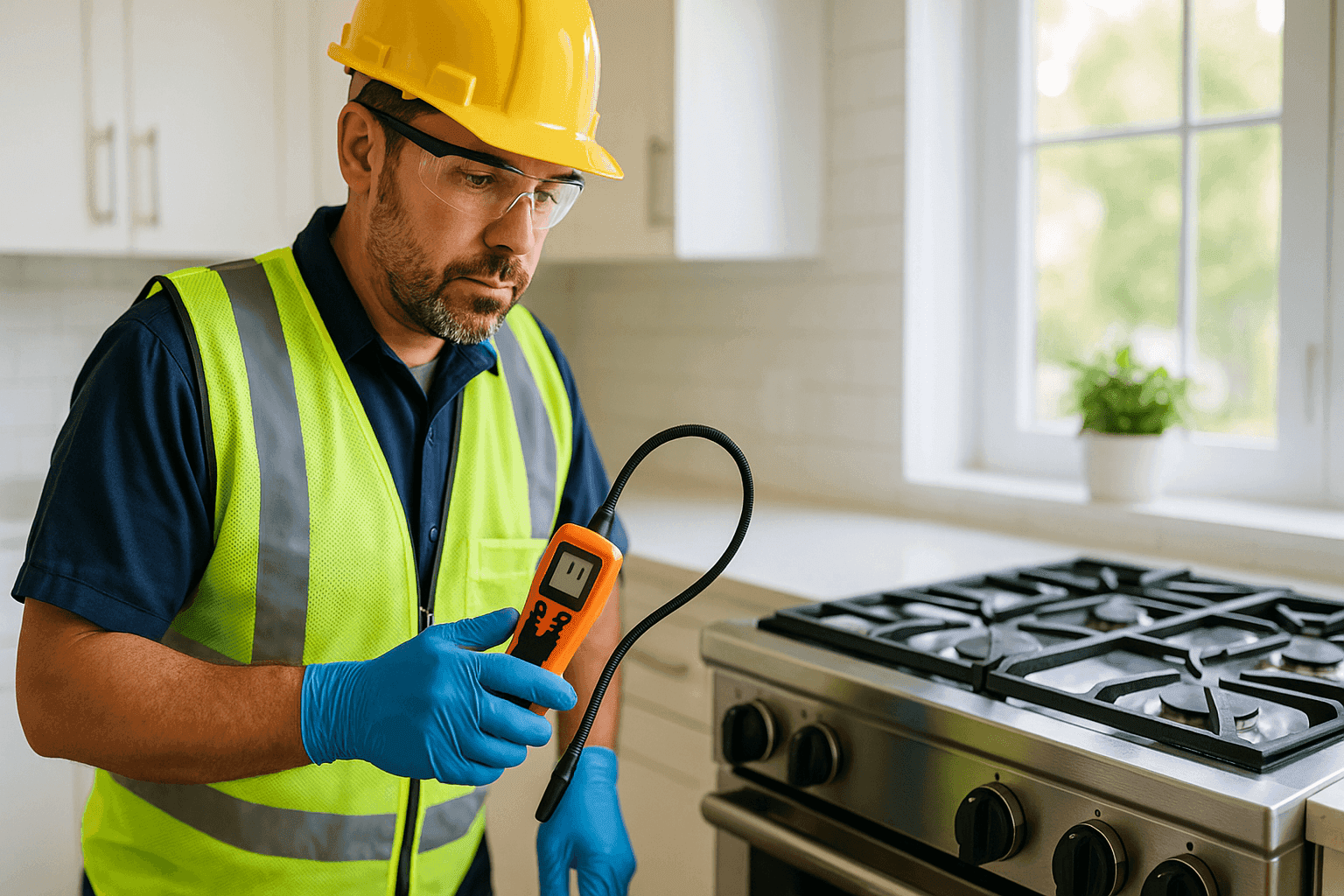
- Leak detection: Using calibrated sniffer tools, we scan for even tiny leaks the nose can’t catch.
- Pressure testing: We make sure your system holds pressure as required by the International Fuel Gas Code (IFGC).
- Code compliance: We verify installation and repairs meet local and state safety codes, so you stay protected and insured.
- Safety recommendations: If anything’s not right, we walk you through options—whether it’s a quick fix or a water heater repair near you.
Preventing Gas Problems Before They Start
Think of gas maintenance like changing oil in your car—it prevents breakdowns, not just repairs them.
Homeowner tips:
- Schedule annual inspections with a certified plumber.
- Keep storage items away from water heaters, boilers, and furnaces.
- Replace old flexible connectors every 5–7 years.
- Install and maintain carbon monoxide detectors on every floor.
- Learn where your main gas shutoff is (and how to use it).
For major systems—like repiping, gas line installation, or backflow prevention—let a licensed pro handle the work.
Understanding Costs & Time Factors
Let’s be real—nobody likes surprise expenses. Here’s what to expect, in plain terms:
- Annual inspection: Usually takes 1–2 hours, depending on your home’s size and the number of appliances.
- Repairs: Small fixes (like tightening a connection) can be quick. Finding and fixing a hidden leak or replacing a pipe takes longer.
- Pricing: The cost depends on your home’s layout and what we find. Emergency plumbing calls after-hours may take priority, but our team works efficiently to restore safety as fast as possible.
A small investment now can save thousands in damage, insurance claims, or health risks later.
Emergency? What to Do Right Now 🚨
If you suspect a gas leak—don’t wait.
Follow these steps:
- Leave the house immediately. Don’t use phones, switches, or electronics inside.
- Turn off the main gas valve (if it’s safe and you know how).
- Call your gas utility or emergency services from a safe location.
- Contact Renegar Plumbing for emergency plumbing help and repairs.
Never try to find or fix a leak yourself. Gas is as unpredictable as a thunderstorm—let trained techs handle it.
Printable Inspection Checklist & Emergency Action Plan
Inspection Checklist (print and keep handy):
- Smell for rotten eggs at appliances and meters
- Listen for hissing or whistling sounds
- Check flame color on gas stoves (blue is good)
- Inspect vents for blockages
- Test carbon monoxide alarms monthly
Emergency Action Plan:
- Evacuate immediately if you suspect a leak
- Don’t use electronics or light switches inside
- Shut off main gas (if safe)
- Call emergency services and Renegar Plumbing from outside
Stick this near your gas meter or main entry—everyone in the family should know what to do.
Frequently Asked Questions
How often should I schedule a gas safety check?
Once a year is recommended for most homes. If you’ve done renovations, noticed strange odors, or have older appliances, don’t wait.
Do I need a pro to install a gas appliance?
Yes. Gas appliance installation and repair is best left to certified, insured professionals for safety and code compliance.
Can a water heater repair near you include a gas safety check?
Absolutely. Our team inspects connections and checks for leaks anytime we’re called for water heater repair or installation.
What codes do you follow?
We follow the International Fuel Gas Code (IFGC), National Fire Protection Association (NFPA) guidelines, and all local building codes.
Local and Seasonal Considerations
Colder months mean more time indoors and heavier use of gas-powered appliances. After storms or long power outages, always check your systems for unusual smells or noises. If you’re in an area with shifting soil or aging pipes, schedule a check after major weather events.
Remember, the best time for a safety check is before you need one.
When it comes to gas safety, don’t guess—get peace of mind from a team that handles emergencies every day and night. Our certified, insured technicians are ready for water heater repair, emergency plumbing, gas line installation, and more.
Call Renegar Plumbing now — or reach us anytime at 888-899-9250 .