How to Install and Maintain a Sump Pump
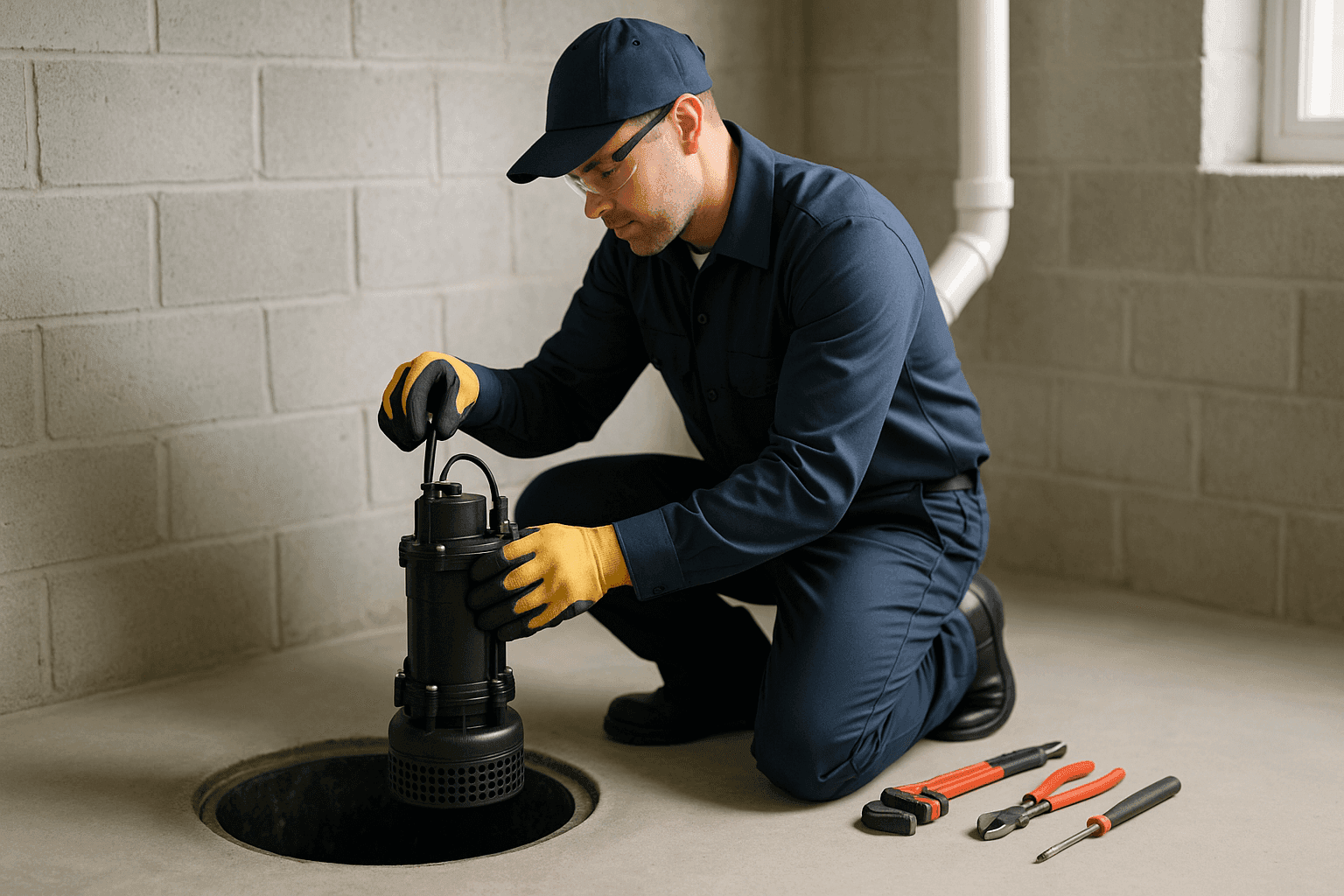
Is your basement the last place you want to swim? Water damage can turn a cozy home into a soggy nightmare—fast. Each year, thousands of families face flooded basements, ruined keepsakes, and costly repairs. Sump pumps are the silent heroes standing guard when storms rage or pipes burst.
At Renegar Plumbing, we’ve been in more flooded basements than we care to count. We know firsthand the peace of mind a working sump pump brings—and how quickly a failure can spiral into an emergency plumbing call.
Why Sump Pumps Matter in Flood Prevention 🌧️
Picture your basement as a boat riding a sea of groundwater. When heavy rain hits or snow melts, the water table rises. Without a sump pump, water can seep through cracks, turning your basement into a wading pool.
Key stats:
- According to FEMA, flood claims average over $40,000 per incident.
- The American Society of Home Inspectors estimates over 60% of U.S. homes experience below-ground wetness.
- One inch of water can cause thousands in damage, even to finished basements.
A sump pump’s job is simple: collect excess water in a pit (the sump basin) and pump it safely away from your foundation. When it fails, you may not know until you step into ankle-deep water.
Types of Sump Pumps: Primary and Backup
Not all sump pumps are created equal. Here’s what you need to know:
Primary Sump Pumps
- Submersible: Sits inside the sump pit, underwater. Quieter, good for finished basements.
- Pedestal: Motor sits above the pit. Easier to service, but noisier.
Backup Sump Pumps
- Battery Backup: Kicks in if the main pump loses power—crucial during storms.
- Water-Powered Backup: Uses municipal water pressure to pump water out. No electricity needed, but not suitable for all homes.
Pro tip: For most homes, a submersible primary pump plus a battery backup is the gold standard for peace of mind.
Quick Safety Checklist Before You Start 🛑
- Shut off power at the breaker before working with wiring or water.
- Wear rubber gloves and eye protection.
- If you smell gas or see sparks, exit and call emergency plumbing help.
- Check local codes (see International Residential Code Section P3303 for sump pump rules).
- Ensure GFCI outlets are used for all pump connections.
Safety isn’t just a suggestion—it’s your shield against shocks and slips.
DIY Installation vs. Calling a Pro
Installing a sump pump might look doable—until you’re jackhammering concrete or wiring a new outlet. Here’s what to consider:
DIY Might Work If:
- The sump pit is already in place.
- You know your way around power tools and basic plumbing.
- You’re comfortable with minor electrical tasks.
But Call Renegar Plumbing When:
- You need a new pit dug (concrete work required).
- Wiring or code upgrades are needed.
- You want professional-grade waterproofing.
- You want to ensure warranty and insurance compliance.
A sump pump isn’t a “set it and forget it” device. One wrong move can mean leaks, voided warranties, or even electrical hazards.
How Pros Install a Sump Pump
When you call Renegar Plumbing for sump pump installation, here’s what we do:
- Assessment: We check your basement layout, water table, and drainage needs.
- Pit Placement: We select the lowest spot, away from walls and appliances. If needed, we carefully break concrete to create the basin.
- Install the Basin: Place a perforated liner below floor level. Backfill with gravel for drainage.
- Pump Setup: Mount the pump inside the basin. Connect discharge piping, making sure water flows well away from your foundation.
- Check Valves: Install a one-way (check) valve to prevent backflow.
- Wiring and Code Compliance: Connect to a dedicated GFCI outlet. We verify all work meets local code and manufacturer specs.
- Test Run: Fill the pit with water and watch the pump work its magic.
A professional installation means no missed steps, no leaks, and a system that’s code-compliant and ready for the next storm.
Maintenance: The Sump Pump Survival Checklist 🔧
Like any machine, sump pumps need regular care. Here’s a quick monthly/seasonal checklist:
- Test the pump: Pour a bucket of water into the pit. The pump should kick on and empty the basin.
- Clean the pit: Remove debris, gravel, and sludge that could clog the intake.
- Inspect the check valve: Make sure it closes tightly.
- Check discharge lines: Ensure they’re free of ice, roots, and clogs—especially in winter.
- Listen for odd noises: Grinding or rattling means trouble.
- Battery backup: Replace batteries every 2–3 years, or as needed.
Yearly: Have a licensed plumber inspect the system for wear, wiring issues, and code compliance.
Troubleshooting Common Sump Pump Failures
No one wants a nasty surprise during a downpour. Here are some warning signs and fixes:
- Pump won’t start: Check the power, GFCI, and float switch.
- Runs but doesn’t pump: Clog in the intake or discharge line, or a broken impeller.
- Cycles on/off too often: Faulty float switch or pump is undersized.
- Strange noises: Could signal mechanical failure or debris in the pit.
- Water backup: Could indicate check valve failure or frozen lines.
If these fixes don’t work, it’s time for emergency plumbing help. Delaying can lead to carpet damage, mold, or even structural issues.
Costs & Time Factors
Sump pump installations vary. Here’s what can affect your costs and timeline:
- Pump type: Submersible pumps cost more up front, but are quieter and last longer.
- Pit installation: Breaking and removing concrete adds time and labor.
- Plumbing and electrical upgrades: New wiring, GFCI outlets, or rerouting pipes can increase both cost and duration.
- Backup systems: Adding a battery or water-powered backup adds both protection and expense.
Time range: A straightforward replacement might take 2–4 hours. New installations (including pit) can take a full day.
Remember, cutting corners rarely pays off. A professional job means fewer headaches down the road.
When It’s an Emergency 🚨
Sometimes, the sky opens up and your pump fails at the worst moment. Here’s what qualifies as a sump pump emergency:
- Water is entering your basement and rising quickly.
- The pump is dead, and a storm is in progress.
- You smell burning, see sparks, or there’s flooding near electrical panels.
In these moments, every second counts. Renegar Plumbing offers 24/7 emergency plumbing services—because water doesn’t wait for business hours.
Frequently Asked Questions
How often should I replace my sump pump?
Most pumps last 7–10 years. Plan for replacement before failure—especially if you notice performance drops.
Can I install a sump pump myself?
If you’re handy and have a sump pit, it’s possible. But for new pits, electrical work, or code compliance, it’s best to call a professional.
What’s the best way to test my sump pump?
Pour a bucket of water in the pit. The float should rise and the pump should activate, draining the water quickly.
What happens if my sump pump fails during a storm?
Call for emergency plumbing help immediately. Quick action can prevent thousands in damage.
Local and Seasonal Considerations
In colder climates, frozen discharge lines can stop a pump cold. Make sure lines are buried below the frost line or use an air gap. Heavy rains and spring thaws are prime times for flooding—don’t let your guard down.
If you live in an area with high water tables or clay soil, regular sump pump checks are especially important. Consult local building codes (such as those from the International Residential Code or your city’s plumbing authority) for specific requirements.
Safety, Warranty, and Code Compliance
- Always use GFCI outlets for sump pumps.
- Never use extension cords—install a dedicated outlet.
- Check your manufacturer warranty—many require professional installation for full coverage.
- Review local codes. Some areas require backflow prevention devices or specific discharge distances.
- For gas or electric lines near the pit, always call a professional first.
Ignoring codes or safety can void warranties or put your home insurance at risk. Always double-check before starting a project.
A working sump pump is your basement’s best defense against water damage. If you’re unsure where to start—or if you’re knee-deep in water—help is always nearby.
Call Renegar Plumbing now — or reach us anytime at 888-899-9250 .