How to Maintain Your Home Plumbing System Year-Round
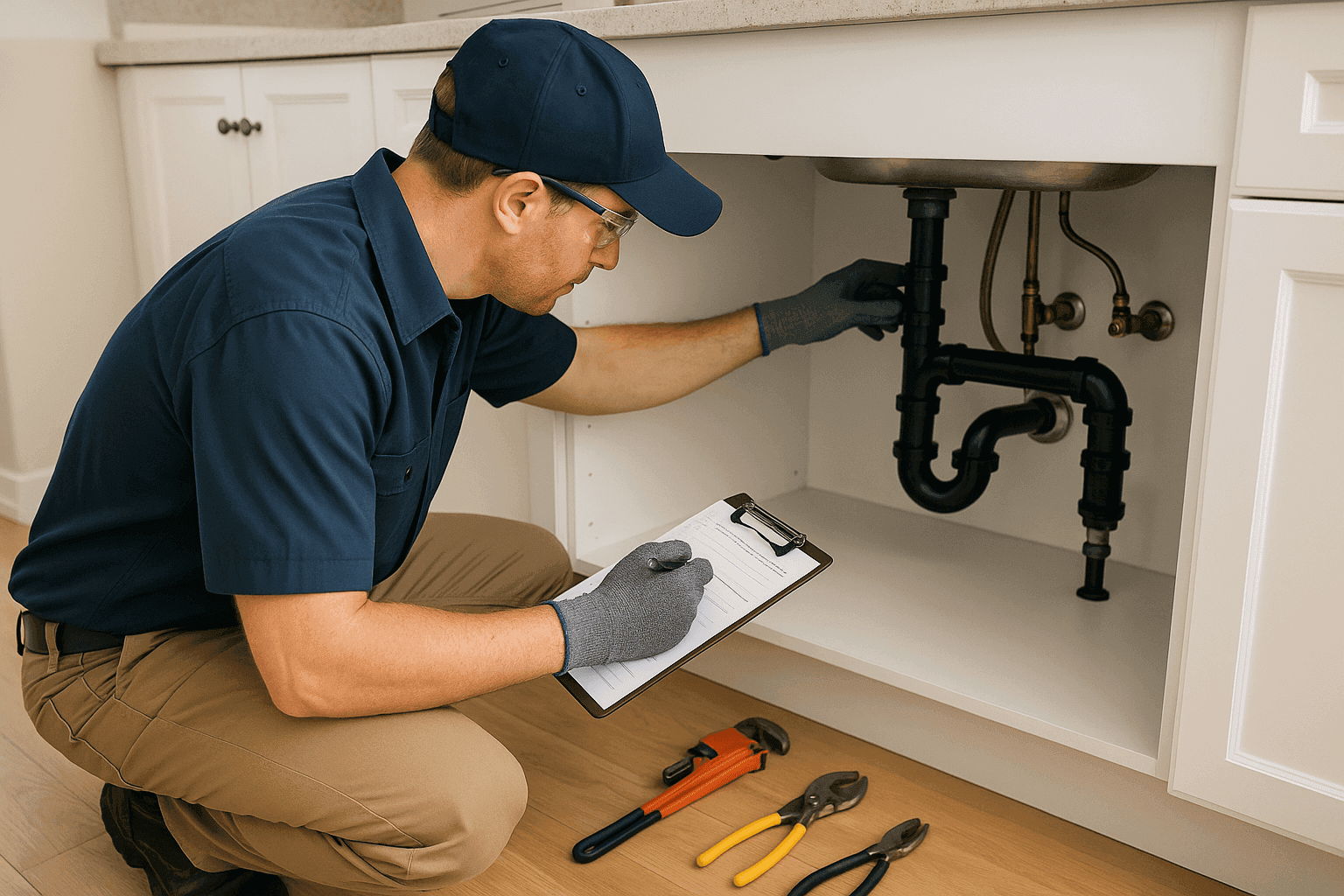
Plumbing problems never seem to strike at a convenient time. A sudden leak, a clogged drain, or a burst pipe can quickly turn a good day into a stressful one. At Renegar Plumbing, we understand how important it is for homeowners and small business owners to keep things running smoothly—no matter the season.
Routine care is more than a chore. It’s insurance against unexpected emergencies and expensive repairs. With a few simple habits and a little know-how, you can keep your plumbing system healthy, safe, and efficient all year round.
Why Year-Round Plumbing Maintenance Matters
Imagine your plumbing like the veins and arteries of your home. When they’re clear and strong, everything flows as it should. But a single blockage or leak can cause trouble in every room. Regular maintenance helps you spot small issues before they become disasters—saving you money, time, and headaches.
Ignoring routine care is like driving your car without ever checking the oil. It might work for a while, but eventually, you’ll be stranded by the side of the road—or ankle-deep in water.
Seasonal Plumbing Maintenance Tips 🛠️
Every season brings its own plumbing challenges. Here’s how to stay ahead:
Winter: Freeze Prevention
- Insulate exposed pipes in basements, crawl spaces, and attics. Foam sleeves or heat tape can keep pipes from freezing and bursting.
- Let faucets drip during deep freezes. Even a trickle can prevent pressure build-up.
- Disconnect garden hoses and shut off exterior valves.
- Know where your main shut-off valve is—and make sure it works.
Spring: Thaw and Inspect
- Check for leaks under sinks, behind toilets, and around appliances after winter’s thaw.
- Test sump pumps before heavy spring rains. Pour a bucket of water into the pit to see if it turns on.
- Clear gutters and downspouts to direct water away from your foundation.
Summer: Watch for High Usage
- Inspect outdoor spigots and irrigation lines for leaks.
- Monitor water pressure. High demand can reveal weak spots or hidden leaks.
- Clean drains in kitchens and bathrooms—summer cookouts can mean more grease and food scraps.
Fall: Prepare for Cold
- Flush water heaters to remove sediment buildup (per manufacturer’s instructions).
- Check for slow drains—fix them before cold weather makes repairs harder.
- Seal cracks and gaps where pipes enter your home to keep cold air out.
Routine Plumbing Tasks Every Homeowner Should Know
A little routine care goes a long way. Here are some simple tasks you can tackle:
- Drain cleaning: Use a hair catcher in showers and strainers in kitchen sinks. Avoid pouring grease down the drain.
- Leak detection: Look for water stains, mold, or a musty smell under sinks and around fixtures.
- Fixture inspections: Check faucets, toilets, and showerheads for drips or loose handles.
- Test shut-off valves: Turn them off and on twice a year to make sure they don’t stick.
- Garbage disposal care: Run cold water during and after use; avoid fibrous foods and bones.
If you spot something unusual—like a sudden spike in your water bill or unexplained puddles—don’t ignore it. Small issues can quickly grow.
Quick Plumbing Safety Checklist
Before you get started, keep these safety basics in mind:
- Turn off the water supply before making repairs.
- Use gloves and eye protection when working with chemicals or sharp tools.
- Never mix cleaning products—some combinations can create dangerous fumes.
- Be cautious with hot water heaters and gas lines. If you smell gas, leave immediately and call for help.
- Keep children and pets away from work areas.
For more detailed safety guidelines, refer to resources like the International Association of Plumbing and Mechanical Officials (IAPMO) or the Occupational Safety and Health Administration (OSHA).
DIY Checks vs. When to Call a Professional
Some plumbing jobs are as simple as changing a lightbulb. Others are more like rewiring your house—tricky, risky, and best left to those with the right training.
Easy DIY Checks
- Replacing faucet washers or showerheads
- Unclogging minor sink or tub drains with a plunger
- Tightening loose pipe connections
- Cleaning aerators on faucets
Call a Pro When:
- You suspect a hidden leak inside walls or floors
- There’s a sewer smell or slow drains throughout your home
- Pipes are frozen, cracked, or leaking
- Water pressure drops suddenly or is too high
- You need gas line installation or repair
- The water heater is making strange noises, leaking, or not heating
Plumbing codes and safety standards exist for a reason. Licensed professionals use specialized tools and techniques to diagnose and repair problems safely and efficiently.
What to Expect When a Plumber Arrives
When you call Renegar Plumbing, you get trained, licensed professionals who know how to put your mind at ease. Here’s what usually happens:
- Initial assessment: We listen to your concerns and inspect the problem area.
- Diagnosis: Using leak detection equipment, cameras, or pressure gauges if needed.
- Explanation: We’ll walk you through what’s wrong and what needs to be done.
- Repair or replacement: From pipe repairs to unclogging toilets or replacing fixtures, we handle it all.
- Final testing: We make sure everything works before we leave.
We’re available for emergency plumbing 24/7—because some problems just can’t wait.
Preventative Care: The Secret to Long-Lasting Plumbing
Think of preventative maintenance as regular exercise for your plumbing. It keeps things strong, flexible, and less likely to break down.
- Schedule annual inspections for water heaters, sump pumps, and backflow prevention devices.
- Flush water heaters yearly to remove sediment and extend lifespan.
- Test water pressure—high pressure can damage pipes and appliances.
- Install water filtration systems to protect pipes from mineral buildup.
- Check for slow leaks with your water meter: turn off all water and see if the meter still moves.
A little attention now means fewer emergencies later.
Costs & Time Factors
Plumbing maintenance doesn’t have to break the bank. Many routine tasks are quick—like checking for leaks or cleaning a drain. Annual inspections or more involved repairs (like repiping or water heater replacement) take longer and cost more, but they’re investments in your home’s future.
- Simple DIY tasks: 10–30 minutes, minimal cost
- Professional inspections: 1–2 hours, typically scheduled annually
- Major repairs: Several hours to a full day, depending on complexity
Remember: catching a problem early is almost always cheaper than waiting for an emergency.
When It’s an Emergency 🚨
Some plumbing issues can’t wait. Call for emergency plumbing if you notice:
- Water gushing or flooding
- Sewage backing up into sinks, tubs, or toilets
- No water at all, or only cold water
- Gas smells near appliances or pipes
- Persistent leaks that won’t stop
In these moments, fast action protects your property and your health.
Frequently Asked Questions
How often should I have my plumbing inspected?
At least once a year. More often if you’ve had past problems or live in an older building.
Is it safe to use chemical drain cleaners?
They can damage pipes and harm the environment. Try a plunger or a drain snake first. If the clog persists, call a professional.
What’s the best way to prevent frozen pipes?
Insulate exposed pipes, keep your home heated, and let faucets drip during extreme cold.
How do I know if I have a hidden leak?
Watch for unexplained increases in your water bill, damp spots, or musty odors. If you suspect a leak, professional leak detection can pinpoint the source.
Special Considerations for Home and Small Business Plumbing
Small business owners face unique challenges. More people using restrooms and kitchens means more wear and tear. Schedule regular preventative maintenance and educate staff about what shouldn’t go down the drain. For homes, pay attention to older pipes, tree roots near sewer lines, and high water usage during holidays or gatherings.
Whether it’s a cozy home or a bustling shop, proactive care keeps your plumbing humming along—quiet, efficient, and out of sight.
Call Renegar Plumbing now — or reach us anytime at 888-899-9250 .