Plumbing Tips for New Homeowners: Avoiding Costly Mistakes
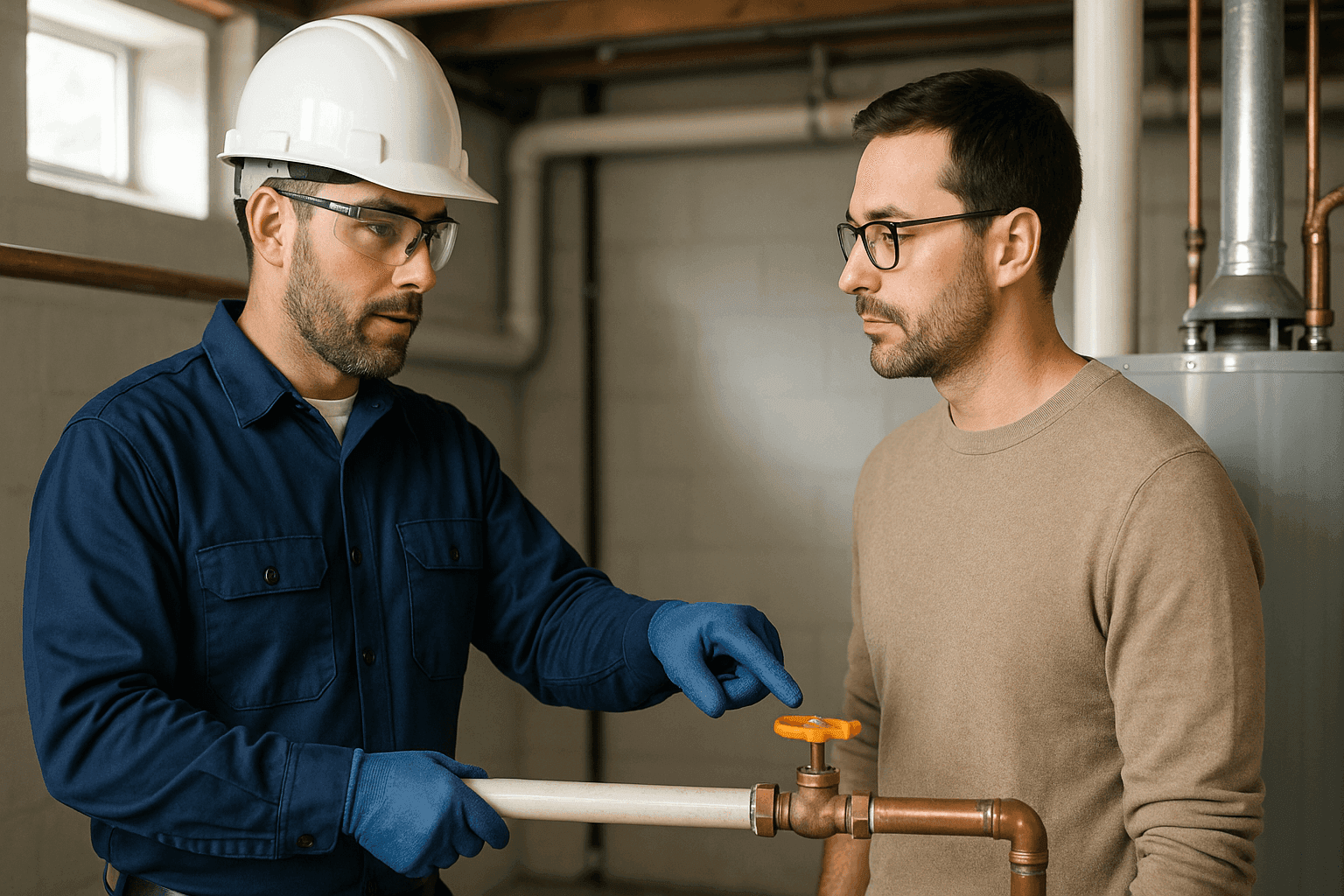
Buying your first home is exciting—and a little overwhelming. Suddenly, you’re the one people call if water’s pooling on the floor or the shower won’t heat up. At Renegar Plumbing, we’ve seen it all. We know how a small leak can balloon into a big problem overnight.
A little know-how goes a long way. The right plumbing basics can save you thousands, not to mention hours of stress. Let’s walk through what every new homeowner should know to keep pipes flowing and headaches at bay.
The #1 Mistake: Not Knowing Your Home’s Plumbing Basics
You wouldn’t drive a car without learning the controls. Your home’s plumbing system deserves the same respect. Yet, many homeowners have no idea where to turn off the water when disaster strikes.
It’s not just about avoiding a soggy mess. Plumbing issues can damage floors, ruin walls, and even lead to mold. The cost of inaction? Sky-high. Emergency plumbing visits are far more expensive than a quick routine check.
Let’s break down the basics so you’re ready for anything.
Quick Safety Checklist for New Homeowners 📝
Before you settle in, tackle these must-dos. Keep this list handy for family and guests.
- Locate the Main Water Shutoff: It could be in your basement, garage, crawlspace, or even outside by the street. Turn it clockwise to stop water flow in an emergency.
- Test Emergency Shutoff Valves: Sink, toilet, and appliance valves can seize up. Gently turn each one to make sure it moves.
- Know Your Water Heater Settings: Set to 120°F for safety and efficiency, as recommended by the U.S. Department of Energy.
- Check for Leaks: Look under sinks, behind toilets, and around the water heater. Even a drip needs attention.
- Inspect Hoses: Dishwasher, washing machine, and refrigerator lines crack with age. Replace if brittle or bulging.
- Review Gas Safety: If you smell rotten eggs or hear hissing, leave immediately and call for gas line repair.
- Find Cleanouts: These capped pipes give plumbers access to your main sewer line—a lifesaver during backups.
A few minutes with a flashlight now can prevent a flood later.
DIY Plumbing: What You Can (and Shouldn’t) Tackle
Some plumbing fixes are as simple as changing a lightbulb. Others? More like rewiring your whole house. Here’s a breakdown:
Safe DIY Fixes
- Unclogging Drains: Use a plunger or hand-crank auger. Skip harsh chemicals—they often do more harm than good.
- Replacing Faucet Washers: If your faucet drips, a new washer can solve it.
- Resetting the Garbage Disposal: Most have a red reset button underneath. Press it if the unit jams.
- Toilet Flapper Replacement: If your toilet runs, a new flapper is cheap and easy to install.
Leave These to the Pros
- Major Leaks or Burst Pipes: Water gushes or stains appear on ceilings? Shut off the main and call for emergency plumbing.
- Water Heater Repair: Scalding, leaks, or loud noises often signal deeper issues.
- Gas Line Repairs: Never risk it. Gas leaks are dangerous and require licensed technicians.
- Sewer Line Backups: If sewage is coming up drains or toilets, professional gear is required.
When in doubt, remember: It’s cheaper to call for help than to repair water damage.
When The Plumber Arrives: What to Expect
You’ve called Renegar Plumbing. What happens next? Here’s how the process usually unfolds:
- Assessment: We start with a visual inspection, asking about the problem’s history and checking for red flags.
- Isolation: We shut off water or gas to affected areas, minimizing risk and further damage.
- Diagnosis: Using tools like leak detectors, thermal cameras, or sewer cameras, we pinpoint the issue.
- Solution: We’ll explain your options—whether it’s a quick fix, repair, or replacement.
- Cleanup and Testing: Once repairs are complete, we test the system and leave your home neat and safe.
Every step follows local codes and safety guidelines, so you’re in good hands.
Red Flags: When to Call for Emergency Plumbing
Some warning signs demand immediate action. Don’t wait—these issues can spiral fast:
- No Water: Complete loss of water isn’t just inconvenient—it can signal a main break.
- Sudden Drop in Water Pressure: Could mean a hidden leak or burst pipe.
- Persistent Sewer Smells: Indicates a clog or broken sewer line.
- Water Stains on Walls or Ceilings: Hidden leaks can destroy drywall and encourage mold growth.
- Water Heater Leaks or No Hot Water: A leaking water heater can burst, flooding your home.
If something feels wrong, trust your instincts. Emergency plumbing services exist for a reason.
Preventative Maintenance: Your Best Insurance
An ounce of prevention beats gallons of water cleanup. Here’s how to keep your system running smooth:
- Annual Inspections: Schedule a yearly checkup for water heaters, pipes, and gas lines.
- Flush Water Heaters: Sediment build-up shortens heater life. Follow manufacturer instructions or call for water heater repair near you.
- Clean Drains: Use strainers to catch hair and debris. Flush drains with hot water monthly.
- Check Water Pressure: High pressure can burst pipes. Aim for 40–60 psi (use a gauge from the hardware store).
- Inspect Sump Pumps: Test before rainy season—failure can mean a flooded basement.
- Test Backflow Prevention Devices: Required by many local codes to keep drinking water safe.
Seasonal checks—before winter freezes or summer storms—can make all the difference.
Cost & Time: What New Homeowners Should Expect
Plumbing repairs range from a quick DIY fix to a full-day project. Here’s what affects the bottom line:
- Parts and Labor: Simple repairs (like replacing a washer) cost little and take under an hour. Complex jobs (repiping, sewer repair) require more time, specialized tools, and materials.
- Emergency Calls: After-hours or holiday repairs come with higher rates.
- Hidden Damage: Water leaks can cause rot or mold, increasing repair scope and cost.
- Permits or Code Upgrades: Some work (like gas line installation) must meet local regulations, which may add time.
To avoid surprises, always ask for a clear explanation. Renegar Plumbing is happy to outline what’s involved.
When Is It a Plumbing Emergency? 🚨
Here’s how to tell if you need emergency plumbing right now:
- Water Won’t Stop: If you can’t control a leak, shut off the main and call immediately.
- Sewage Backup: Overflowing toilets or drains with sewage require urgent help.
- Gas Smell: Evacuate and call for gas line repair.
- Flooding: Any standing water inside your home is an emergency.
- No Hot Water: Especially in winter, lack of hot water can be dangerous for young children or seniors.
If you’re unsure, err on the side of caution. Fast action limits damage.
FAQ: New Homeowner Plumbing Questions
How often should I inspect my plumbing?
Check visible pipes, fixtures, and valves at least twice a year—before winter and summer. Annual professional inspections are smart for water heaters, sump pumps, and backflow devices.
Can I use chemical drain cleaners?
Avoid them. Over time, they damage pipes and rarely solve the root problem. Mechanical tools (plunger, auger) are safer. If clogs persist, seek professional drain cleaning.
Why does my water heater make noise?
Popping or rumbling often means sediment build-up. Flushing the tank usually fixes it. If noises continue, call for water heater repair near you.
What’s the best way to find hidden leaks?
Watch for unexplained spikes in your water bill, stains, or musty odors. Professionals use leak detection equipment for quick, noninvasive checks.
Local & Seasonal Plumbing Tips
Weather can turn a routine problem into a crisis. Here’s how to prepare:
- Winter: Insulate exposed pipes. Let faucets drip during deep freezes to prevent bursts, as recommended by the International Code Council.
- Spring: Check sump pumps and clear yard drains before heavy rains.
- Summer: Watch for tree root growth near sewer lines—roots seek water and can block pipes.
- Fall: Disconnect hoses and drain outdoor faucets to avoid freezing.
New to the area? Ask neighbors or your local building department about common plumbing challenges.
New Homeowner Checklist: Plumbing Edition
- [ ] Know your main shutoff location
- [ ] Test every shutoff valve
- [ ] Check under sinks for leaks
- [ ] Inspect appliance hoses
- [ ] Review water heater settings
- [ ] Learn how to unclog a toilet
- [ ] Schedule a professional inspection
- [ ] Prepare for local seasonal risks
Renegar Plumbing offers new homeowner inspection packages tailored to your needs. We’ll walk you through every step, answer your questions, and help you avoid those “what now?” moments.
Every home tells a story. At Renegar Plumbing, we help you write a smooth chapter—one without unexpected water woes or midnight emergencies. Keep this guide handy, and remember: you don’t have to face plumbing problems alone.
Call Renegar Plumbing now — or reach us anytime at 888-899-9250 .