How to Prevent Common Plumbing Emergencies Year-Round
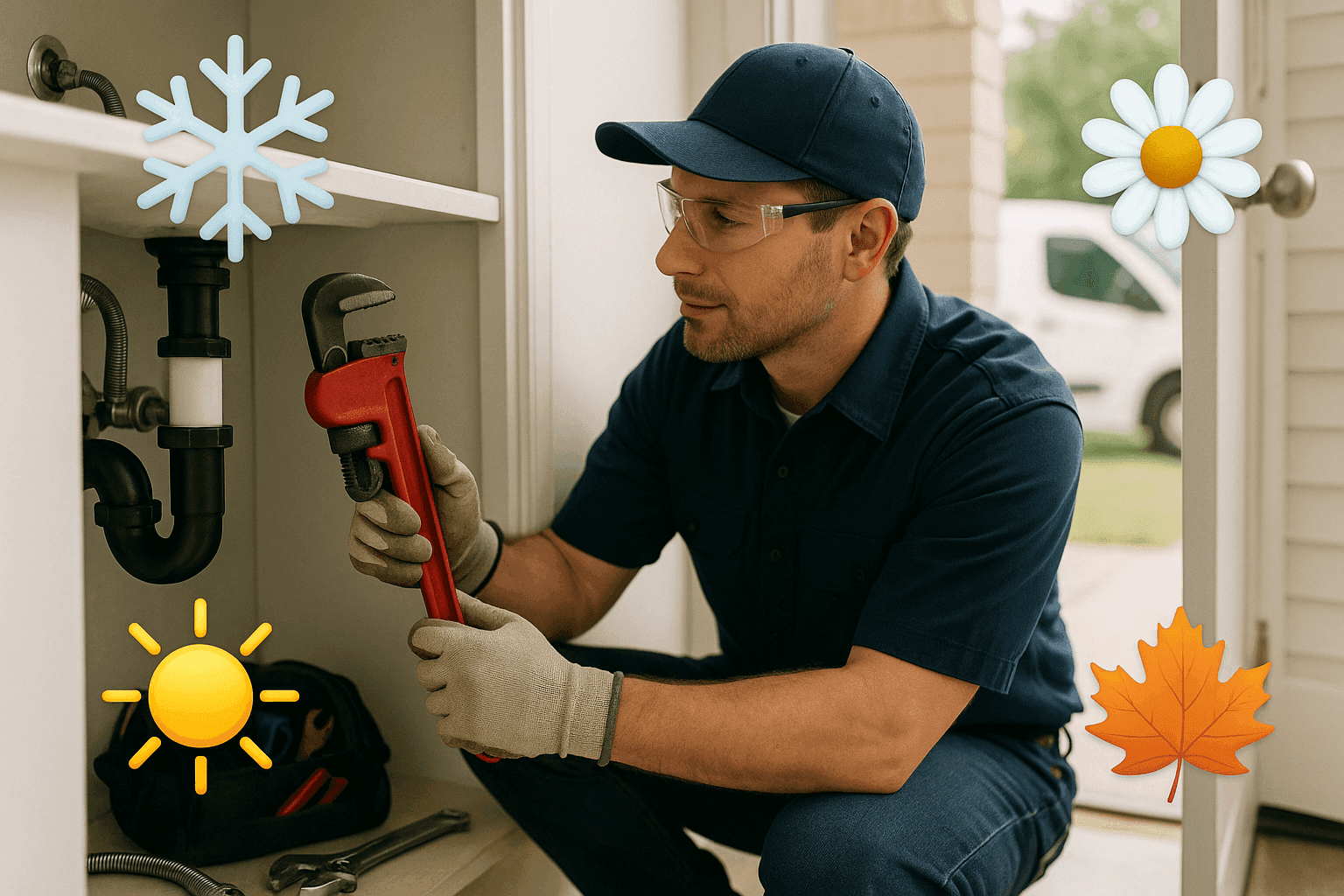
Plumbing emergencies never wait for a convenient time. A burst pipe, a clogged drain, or a leaking water heater can turn a regular day into a stressful scramble. At Renegar Plumbing, we understand how overwhelming these moments can feel—and how much you want to avoid them.
The good news? Most plumbing emergencies don’t just happen out of the blue. With a little year-round care and a sharp eye for warning signs, you can keep your home or business flowing smoothly.
The Most Common Plumbing Emergencies
Before you can prevent a problem, it helps to know what to watch for. The most frequent plumbing emergencies we see include:
- Leaking pipes: Sudden or slow, leaks can cause water damage, mold, and high bills.
- Clogged drains or toilets: Water backs up. Life grinds to a halt.
- Burst pipes: Often in winter, these can flood entire rooms in minutes.
- Water heater failures: Cold showers, rusty water, or leaks are all signs.
- Sewer line backups: Unpleasant smells, slow drains, and even soggy yards.
- Low water pressure: Annoying and often a sign of a deeper issue.
Each of these emergencies has its own causes and warning signs. But all of them have one thing in common: they’re easier to prevent than to fix.
Quick Safety Checklist 🛑
Sometimes, a few simple habits can keep disaster at bay. Here’s a quick checklist for homeowners and small business owners:
- Know where your main shutoff valve is. If a pipe bursts, you’ll need to act fast.
- Check under sinks and around toilets for leaks monthly.
- Don’t pour grease or coffee grounds down the drain.
- Insulate exposed pipes before winter.
- Flush only toilet paper—no wipes or hygiene products.
- Test your sump pump before rainy season.
- Schedule annual inspections for water heaters and backflow devices.
- Keep a plunger and basic tools handy.
These steps don’t take much time. But they can save you hours—or days—of headaches later.
DIY vs. When to Call a Pro
Some plumbing issues are like weeds in a garden. You can pull them out yourself if you catch them early. Others? You’ll need a professional with the right tools and experience.
DIY fixes you can try:
- Use a plunger for minor toilet or sink clogs.
- Tighten loose faucet handles or supply lines.
- Replace worn-out washers in dripping faucets.
- Pour boiling water (carefully!) to clear minor grease clogs.
Call Renegar Plumbing if you notice:
- Water stains on ceilings or walls.
- Persistent foul odors from drains.
- Gurgling sounds or slow drains throughout the house.
- Water heater leaks or no hot water.
- Sudden drop in water pressure.
- Gas smells near appliances or lines (leave immediately and call emergency services).
Trying to fix complex issues yourself can make things worse. In some cases, it’s even against plumbing codes or safety guidelines set by the International Association of Plumbing and Mechanical Officials (IAPMO).
What Pros Do On Arrival
When you call Renegar Plumbing for emergency plumbing, here’s what to expect:
- Assessment: We quickly locate the source of the problem—using tools like moisture meters, inspection cameras, or gas detectors.
- Containment: We shut off water, gas, or electricity as needed to prevent further damage.
- Diagnosis: Our licensed plumbers explain what’s wrong, why it happened, and what your options are.
- Repair: We handle everything from pipe repair and leak detection to unclogging drains and replacing faulty water heaters.
- Cleanup: We ensure your space is safe and tidy before we leave.
- Advice: We’ll share tips to avoid repeat problems, based on current plumbing codes and best practices.
We follow guidelines from the Uniform Plumbing Code (UPC) and manufacturer recommendations to ensure repairs are safe and long-lasting.
Year-Round Prevention & Maintenance
Think of your plumbing like a car. Regular maintenance keeps everything running smoothly and helps you spot trouble before it gets expensive. Here’s how to protect your pipes and fixtures all year.
Winter: Freeze Protection
- Insulate exposed pipes in basements, crawl spaces, and attics with foam sleeves.
- Disconnect outdoor hoses and shut off exterior faucets.
- Let faucets drip during deep freezes to keep water moving.
- Keep heat on even if you’re away, especially in cold snaps.
- Check boiler systems for leaks and pressure changes.
Spring: Pipe Inspections
- Look for leaks under sinks, around water heaters, and in crawl spaces.
- Check sump pumps by pouring water into the pit to make sure they activate.
- Inspect hose bibs and outdoor faucets for cracks from winter freezes.
- Flush water heaters to remove sediment buildup (follow manufacturer instructions).
Summer: Water Pressure & Usage
- Test water pressure with a gauge—normal is usually 40–60 psi. Too high? You may need a pressure regulator.
- Watch for slow drains as more family or guests use the plumbing.
- Check for tree roots near sewer lines, as they grow faster in warm weather.
- Inspect irrigation systems for leaks or broken heads.
Fall: Drain Cleaning & Prep
- Clear gutters and downspouts to direct water away from your foundation.
- Schedule a professional drain cleaning before leaves and debris cause clogs.
- Test backflow prevention devices as required by local codes.
- Check water filtration systems and replace filters as needed.
Simple Maintenance Tips
- Run hot water down drains weekly to help prevent buildup.
- Use drain strainers in sinks, showers, and tubs.
- Don’t ignore small leaks—they rarely fix themselves.
- Listen for unusual noises like banging pipes or gurgling drains.
- Keep an eye on your water bill—a sudden spike often means a hidden leak.
Costs & Time Factors
No one likes surprise bills. Emergency plumbing repairs can be more expensive than regular maintenance, mostly because of after-hours calls, urgent parts, and potential water damage.
- DIY fixes: Usually just the cost of parts (washers, caulk, or a new plunger).
- Professional inspections: Take 1–2 hours, with costs varying by service.
- Emergency repairs: Fast, but can take anywhere from one hour for a simple fix to several days for major pipe or sewer line repairs.
- Water damage restoration: The longer you wait, the more expensive it gets.
Regular maintenance and inspections are always more affordable than emergency repairs and the cleanup that follows.
When It’s an Emergency
How do you know when to call for emergency plumbing? Here are the red flags:
- Water is flooding your home or business.
- You smell gas or suspect a gas leak.
- Sewage is backing up into sinks, tubs, or toilets.
- No water at all is coming from your taps.
- You hear hissing or see water spraying from pipes.
In these cases, don’t wait. Shut off the main water (or gas) supply and call Renegar Plumbing right away.
FAQ: Common Questions
How often should I have my plumbing inspected?
Once a year is a good rule of thumb. More often for older buildings or if you’ve had issues before.
Can small leaks wait to be fixed?
No. Even tiny drips can waste hundreds of gallons a year and lead to mold or structural damage.
What are the signs my water heater is about to fail?
Rusty water, strange noises, leaks around the base, or inconsistent hot water are all warning signs.
Is it safe to use chemical drain cleaners?
It’s best to avoid them. They can damage pipes and harm the environment. Use a plunger or call a professional instead.
Special Considerations for Your Plumbing System
Every property is unique. Older homes might have aging pipes or outdated materials like galvanized steel. Newer buildings may have more efficient fixtures but still face issues like high water pressure or poorly installed appliances.
If you run a small business—especially one with kitchens or restrooms used by the public—regular preventative maintenance is even more important. Health codes and safety regulations may require regular backflow testing or grease trap cleaning.
Always follow manufacturer instructions for appliances, and keep records of repairs and inspections. If you’re unsure about a plumbing issue, it’s better to ask than to wait.
Call Renegar Plumbing now — or reach us anytime at 888-899-9250 .