How to Prevent Plumbing Freezes and Burst Pipes This Winter
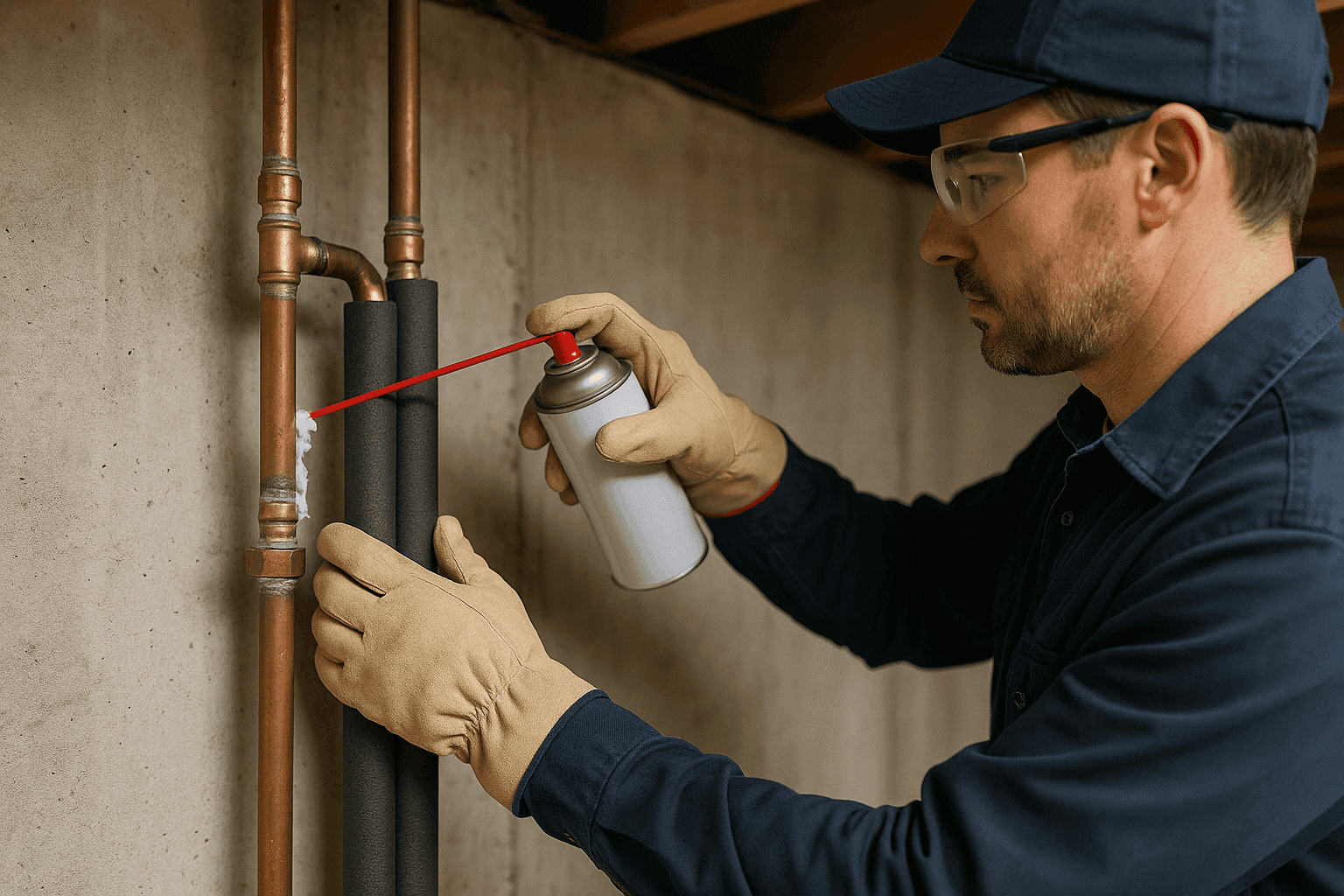
Winter’s bite can be harsh—not just on you, but on your plumbing. Frozen pipes sneak up on homeowners and business owners alike, turning a peaceful morning into a scramble for towels and buckets. At Renegar Plumbing, we’ve seen firsthand how a single freeze can spiral into an emergency plumbing disaster.
Let’s talk about how to keep your pipes safe, your water flowing, and your winter stress-free. Because no one wants to wake up to the sound of water rushing where it shouldn’t.
Why Pipes Freeze—and Why Bursts Happen
When temperatures drop, water inside your pipes can freeze—especially in unheated areas like basements, attics, crawl spaces, or even behind poorly insulated walls. As water turns to ice, it expands. Imagine squeezing a balloon until it pops. That’s what happens inside your pipes: pressure builds until the pipe bursts, often at its weakest point.
Burst pipes aren’t just an inconvenience. They can flood your home or business, ruin walls and floors, and rack up thousands in repairs. According to the Insurance Institute for Business & Home Safety, a burst pipe can release hundreds of gallons of water per hour. That’s not just a mess—it’s a full-blown emergency plumbing situation.
Quick Safety Checklist for Winter Plumbing 🧤
Before the coldest nights hit, run through this list:
- Insulate exposed pipes in attics, basements, garages, and crawl spaces.
- Seal cracks and gaps around windows, doors, and foundations to keep drafts out.
- Disconnect garden hoses and drain outdoor faucets.
- Let a trickle of water run from faucets on especially cold nights.
- Keep cabinet doors open under sinks to let warm air circulate around pipes.
- Set your thermostat—never let it drop below 55°F, even if you’re away.
- Locate your main water shutoff valve in case you need to turn it off quickly.
These simple steps can mean the difference between a cozy winter and a plumbing crisis.
DIY vs. Call a Pro: Knowing Your Limits
Some winter prep jobs are perfect for handy homeowners or business owners. Wrapping pipes with foam sleeves, sealing up obvious drafts, and keeping an eye on your thermostat—these are safe bets.
But not all pipes are easy to reach. Some are hidden behind walls, under floors, or in tight crawl spaces. If you spot signs of leaks, damage, or suspect a freeze, don’t try to muscle through. Plumbing systems are like the veins of your building—one wrong move can make things worse.
Call Renegar Plumbing for:
- Hard-to-reach or complex pipe insulation
- Recurring leaks or drips
- Signs of water damage or mold
- No water flow or suspected frozen pipes
- Emergency plumbing situations (burst pipes, flooding, major leaks)
What Professional Plumbers Do on Arrival
When you call for emergency plumbing help, here’s what happens:
- Assessment: We’ll quickly locate the problem—using tools like thermal cameras or moisture meters if needed.
- Containment: Stopping the water flow is priority one. That may mean shutting off your main valve or isolating a section of pipe.
- Repairs: Depending on the damage, we’ll thaw frozen pipes safely, repair bursts, or replace sections as needed.
- Prevention: We’ll recommend insulation upgrades, leak repairs, or other fixes to keep the problem from returning.
We follow best practices from the International Plumbing Code and Occupational Safety and Health Administration (OSHA) guidelines to ensure safety and quality. No guesswork—just proven solutions.
Prevention & Maintenance: Your Winter Plumbing Game Plan
Preventing frozen pipes is like bundling up before heading out into a snowstorm. The more layers, the better your protection.
Insulate, Insulate, Insulate
- Foam pipe sleeves: Slide these over exposed pipes in unheated areas.
- Heat tape or cables: For pipes in extreme cold zones, these provide extra warmth (always follow manufacturer’s instructions).
- Seal leaks and drafts: Use caulk or expanding foam to block cold air from sneaking in.
Keep the Heat Flowing
- Thermostat settings: Don’t drop below 55°F, even when you’re away.
- Open interior doors: Let warm air move freely through your home or building.
- Cabinet doors open: Under sinks, especially on exterior walls.
Water Flow Tricks
- Let faucets drip: A slow trickle keeps water moving, making it harder to freeze.
- Drain outdoor lines: Shut off and drain sprinkler systems and pool supply lines.
Routine Checks
- Inspect for leaks: Even a tiny drip can turn into a big problem if it freezes.
- Schedule annual maintenance: A professional checkup before winter can catch vulnerabilities.
Costs & Time Factors: What to Expect
Fixing a burst pipe isn’t just a quick patch job. Depending on the location and extent of damage, repairs can take anywhere from a couple of hours to a full day. Costs vary widely—simple insulation upgrades are affordable, but water damage restoration can be costly. According to the Federal Emergency Management Agency (FEMA), even an inch of water can cause thousands in damage to a home or business.
Preventative measures, like pipe insulation or leak checks, are much less expensive than emergency plumbing repairs. A little time and investment now can save you a small fortune later.
When It’s an Emergency
If you suspect a frozen or burst pipe:
- Turn off the main water supply immediately.
- Shut off electricity to affected areas if water is near outlets or appliances.
- Open faucets to relieve pressure.
- Move valuables and electronics away from water.
- Call Renegar Plumbing for emergency plumbing support.
Don’t try to thaw pipes with open flames or space heaters—this can cause fires or further damage. Stick to safe methods, like warm towels or a hairdryer (never leave unattended).
Frequently Asked Questions
How can I tell if my pipes are frozen?
Signs include little or no water coming from faucets, visible frost on pipes, or strange clanking noises. If you suspect a freeze, act quickly to prevent a burst.
Can I use a space heater to thaw pipes?
Portable heaters can help warm a room, but never place them directly on or too close to pipes. Always follow safety guidelines from the U.S. Fire Administration to avoid fire hazards.
Are all pipes at risk of freezing?
Pipes in unheated spaces—basements, attics, garages, exterior walls—are most vulnerable. Even interior pipes can freeze if exposed to drafts or poor insulation.
Should I leave the heat on if I’m away?
Yes. Set your thermostat to at least 55°F and ask a neighbor or friend to check your property during extreme cold.
Special Considerations for Winter Plumbing
- Commercial properties may have more complex plumbing systems. Regular inspections and professional maintenance are crucial.
- Older homes or buildings often have less insulation and outdated plumbing, increasing risk.
- Water heaters and boilers should be checked for proper operation before winter. Cold water can damage these systems if pipes freeze.
- Backflow prevention is vital in winter, especially if you experience a burst. Contaminated water can flow backward into your supply lines if pressure drops.
Staying ahead of winter’s chill is a team effort. At Renegar Plumbing, we’re here to help you prevent problems before they start—or handle emergencies when they do.
Call Renegar Plumbing now — or reach us anytime at 888-899-9250 .