Essential Preventative Plumbing Maintenance Checklist
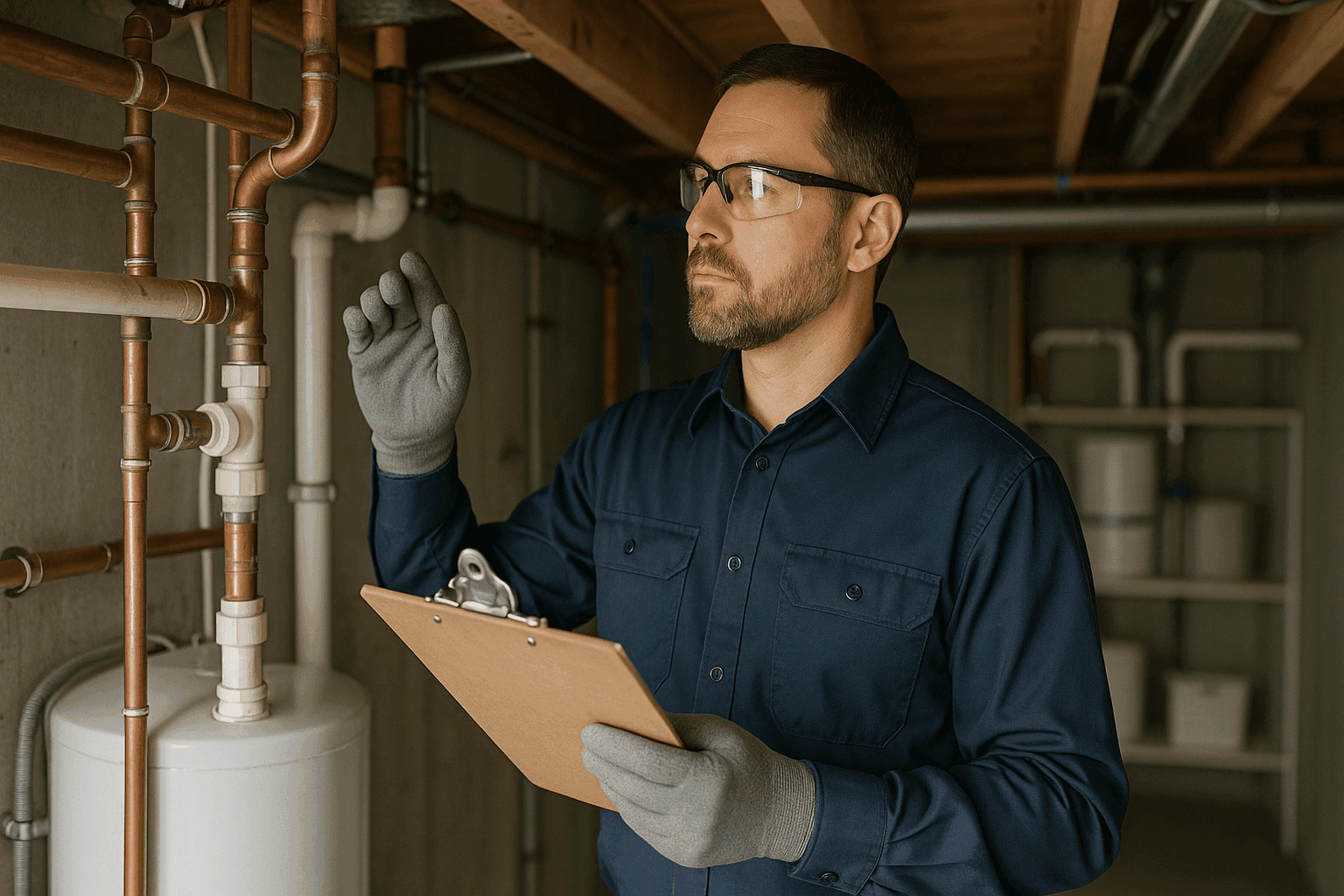
Your home’s plumbing works quietly behind the scenes, day in and day out. But when things go wrong, the chaos can flood in—literally. Busted pipes, hidden leaks, and sudden clogs never wait for a convenient moment.
That’s why regular, preventative maintenance isn’t just for peace of mind. It’s the backbone of a safe, comfortable home. At Renegar Plumbing, we’ve seen how a little attention now can prevent big headaches later. Let’s walk through what you can do to keep your plumbing ready for anything.
Why Preventative Maintenance Matters
Think of your plumbing like the veins and arteries of your house. If there’s a blockage or a weak spot, it can lead to a major crisis—sometimes in the blink of an eye. Regular checkups help you spot small issues before they turn into big, expensive problems.
Ignoring leaks, skipping water heater checks, or missing seasonal changes can invite mold, water damage, or even health hazards. The good news? Most of these disasters are preventable with a simple routine.
Quick Safety Checklist 🛠️
Before you pick up a wrench, let’s make sure you’re working safely. Here’s a quick list to check off:
- Turn off the main water supply before major inspections or repairs.
- Unplug electrical devices around water sources.
- If you smell gas, leave the area immediately and call for help (National Fire Protection Association guidelines).
- Wear gloves and safety goggles for any cleaning or repair work.
- Keep your phone nearby in case you need emergency plumbing assistance.
DIY vs. When to Call a Pro
Some plumbing tasks are as simple as tightening a faucet or cleaning a drain trap. Others? They’re more like wrestling an alligator—best left to someone with the right tools and experience.
Good for DIY:
- Checking for visible leaks under sinks.
- Cleaning faucet aerators and showerheads.
- Testing your sump pump by pouring in water and watching it activate.
- Replacing worn toilet flappers or supply hoses.
Call Renegar Plumbing for:
- Water heater repair near you (especially if you notice rust, leaks, or strange noises).
- Sewer line inspection or repair.
- Gas line installation or gas safety checks.
- Major leak repair or repiping.
- Backflow prevention and testing.
If you’re unsure, remember: a quick call can save hours of clean-up and costly repairs.
What Pros Do On Arrival
When you call in Renegar Plumbing, here’s what to expect:
- Thorough inspection: We use advanced leak detection tools, moisture meters, and thermal imaging to spot hidden trouble.
- Code-compliant repairs: All work follows local building and safety codes (refer to the International Plumbing Code and local regulations).
- System-wide check: Water pressure testing, sewer line scoping, and fixture inspection.
- Clear communication: We’ll walk you through what we find and what needs to be done—no mystery, just straightforward advice.
Your Seasonal & Annual Maintenance Checklist
Keep this list handy. Print it, stick it on the fridge, or set reminders on your phone.
Spring
- Inspect exposed pipes for leaks or corrosion after winter freezes.
- Test outdoor faucets and hose bibs for proper flow.
- Check sump pump operation—pour in water and listen for smooth running.
- Clean gutters and downspouts to prevent water backup.
- Inspect water heater for rust, corrosion, or pooling water.
Summer
- Check for signs of moisture under sinks and around appliances.
- Inspect washing machine hoses for bulges, cracks, or leaks.
- Look for slow drains—clear them before they become clogs.
- Flush your water heater to remove sediment buildup (per manufacturer guidelines).
Fall
- Disconnect outdoor hoses and shut off exterior faucets.
- Test your sump pump and battery backup before heavy rains.
- Inspect and clean faucet aerators for mineral buildup.
- Check for toilet leaks by adding a few drops of food coloring to the tank—wait 10 minutes and see if color appears in the bowl.
Winter
- Insulate exposed pipes in unheated areas (attics, crawl spaces, garages).
- Drip faucets during deep freezes to prevent burst pipes.
- Check basement drains and floor drains for blockages.
- Keep your home heated to at least 55°F to protect plumbing.
Annual
- Schedule a professional sewer line inspection.
- Replace aging supply hoses on washing machines and dishwashers.
- Have your boiler or water heater serviced.
- Test backflow prevention devices.
- Review your household water pressure (60–80 psi is ideal; see local code for specifics).
- Inspect gas lines for leaks with a licensed technician.
Red Flags: When to Take Action
Some warning signs mean it’s time to act fast:
- Water stains on walls or ceilings.
- Moldy, musty smells—often a hint of hidden leaks.
- Dripping faucets that won’t stop.
- Water heater making rumbling or popping sounds.
- Drains that gurgle or back up.
- Sudden spikes in your water bill.
Don’t ignore these signals. The sooner you call, the easier (and less expensive) the fix.
Pro Tips for Extending System Life
- Install water filtration if you have hard water—this reduces mineral buildup and extends appliance life.
- Use drain screens to catch hair and debris.
- Don’t use harsh chemicals on clogs; they can eat away at your pipes.
- Know where your main shutoff valve is—show everyone in the family.
- Schedule regular professional inspections—just like a physical for your home’s pipes.
Costs & Time Factors
Maintenance isn’t free, but it’s usually far less than dealing with a burst pipe or water-damaged walls. Here’s what to expect:
- DIY tasks: 10–30 minutes each, minimal cost (maybe a few dollars for replacement parts).
- Professional inspections: 1–2 hours for a whole-home assessment.
- Water heater flush or repair: 1–2 hours, with added parts and labor if issues are found.
- Sewer line inspection: Around 1 hour using a camera.
- Emergency plumbing: Costs and time spike fast—especially nights, weekends, or for major repairs.
Investing in a Renegar Plumbing maintenance plan means fewer surprises. You’ll get priority scheduling and regular reminders, so nothing slips through the cracks.
When It’s an Emergency
Sometimes, things go wrong despite your best efforts. Here’s when to seek emergency plumbing help—no hesitation:
- Gushing water, spraying pipes, or major leaks.
- Sewage backing up into sinks, tubs, or toilets.
- No hot water in freezing weather (risk of pipes freezing).
- Gas smell from any appliance or pipe.
Turn off the main water (or gas) supply and call Renegar Plumbing right away. Your safety comes first.
FAQ
How often should I flush my water heater?
Most manufacturers recommend once a year. If you have hard water, consider twice yearly to prevent sediment buildup.
Can I use store-bought drain cleaners?
It’s better to avoid them. Enzyme-based cleaners are safer, but harsh chemicals can damage pipes. Try a plunger, drain snake, or call for professional drain cleaning.
How do I find my main shutoff valve?
Usually, it’s where the water line enters your home—often in a basement, crawlspace, or utility closet. Make sure it turns easily, and show your family.
Is preventative maintenance required by code?
While not always legally required, many local building codes (see International Plumbing Code) recommend regular checks to avoid code violations and ensure system safety.
Local/Seasonal Considerations 🏠
Climate matters. In colder regions, frozen pipes are a big threat—insulate and drip faucets in winter. Hot, humid summers can strain sump pumps and lead to mold. If you live in a flood-prone area, consider a battery backup for your sump pump.
For older homes or those with mature landscaping, root intrusion in sewer lines is common. An annual sewer line inspection can catch this early.
Be aware of local water quality reports. If your municipality notes high mineral content, consider water filtration to protect your appliances and pipes.
Your Printable Maintenance Checklist
- Inspect for leaks under every sink.
- Check washing machine and dishwasher hoses.
- Clean faucet aerators and showerheads.
- Flush water heater.
- Test sump pump.
- Unclog slow drains.
- Insulate exposed pipes.
- Disconnect outdoor hoses before winter.
- Test backflow devices.
- Schedule professional inspection.
Tape this list to your utility room door or set quarterly reminders—your plumbing (and wallet) will thank you.
A little time each season can save a world of trouble down the line. Renegar Plumbing is here for your routine maintenance, emergencies, and everything in between. Whether you need water heater repair near you, a sewer line inspection, or just want to learn more about our maintenance plans, we’re ready to help.
Call Renegar Plumbing now — or reach us anytime at 888-899-9250 .