Repiping Your Home: When, Why, and How It’s Done
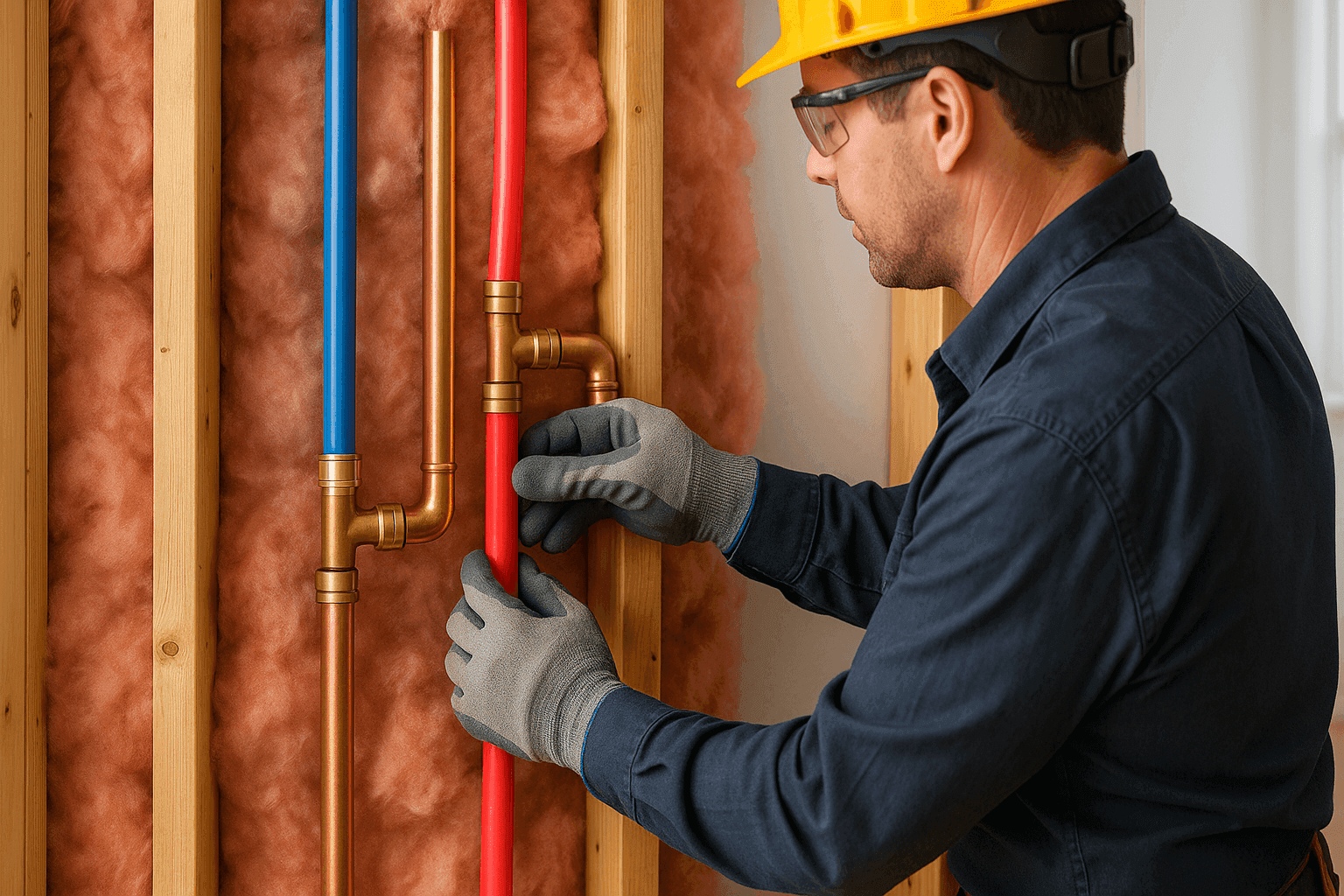
Is your home’s plumbing system showing its age? Maybe you’ve noticed rusty water, nagging leaks, or water pressure that’s weaker than a garden hose in July. Most pipes don’t last forever. Sometimes, a single leak is just the tip of the iceberg—hinting at bigger trouble beneath your floors and walls.
Renegar Plumbing understands that repiping sounds like a big deal. It’s a major project, but it could be the difference between constant repairs and true peace of mind. If you’re weighing the need for emergency plumbing or searching for “Water Heater Repair near you,” this guide is for you.
Why Would a Home Need Repiping? 🚰
Pipes are like arteries for your house. When they’re clogged, corroded, or leaking, everything downstream suffers. Here’s why repiping isn’t just for old homes:
- Age: Most pipes (especially galvanized steel or older copper) last 40–70 years. After that, they can turn brittle, leak, or rust from the inside.
- Corrosion: Years of minerals, water additives, and oxygen cause pipes to corrode. This weakens them and can make water taste metallic.
- Leaks & Water Damage: Frequent leaks or unexplained wet spots in walls/floors? That’s a sign the whole system may need attention.
- Low Water Pressure: Could be a clog. Could be a sign your pipes are closing up with buildup.
- Rusty or Discolored Water: Brown, red, or yellow water is a classic sign of pipe corrosion.
Ignoring these red flags is like ignoring the check-engine light in your car—eventually, something will break down at the worst possible time.
Quick Safety Checklist Before Repiping
Repiping a home isn’t a weekend DIY job. Safety comes first. Here’s a checklist to keep in mind:
- Shut off the main water supply before any pipe work.
- Know where your emergency shutoff valves are—not just for water, but also for gas if any gas lines run nearby.
- Check for asbestos or lead in older homes (built pre-1980). The U.S. Environmental Protection Agency (EPA) and local codes offer guidance.
- Secure pets and valuables away from work areas.
- Discuss safety with your plumbing team—they should explain dust control, access points, and cleanup plans.
DIY vs. Calling a Pro
Some plumbing fixes are straightforward—tighten a loose faucet, replace a washer. Repiping isn’t one of them. Here’s why:
- Complexity: Repiping means accessing pipes hidden behind drywall, under floors, or in ceilings.
- Permits: Most cities require permits and inspections to keep everything up to code.
- Unexpected Surprises: Old pipes may have code violations, illegal fittings, or hidden leaks.
- Tools & Skills: Soldering copper, connecting PEX, or glueing CPVC isn’t for beginners.
If you try it yourself, you could end up with leaks, water damage, or even failed inspections. For full-home repiping, it’s smart to call professionals like Renegar Plumbing, who handle everything—safely, cleanly, and up to code.
What Happens When Pros Arrive
When you call Renegar Plumbing for repiping, here’s what you can expect:
- Assessment: We inspect visible pipes, check water pressure, test for leaks, and look for corrosion.
- Material Selection: We’ll talk you through options—copper, PEX, or CPVC—explaining pros and cons for your home’s needs.
- Dust-Minimizing Prep: Our team uses dust barriers, floor protection, and careful demolition techniques to keep mess to a minimum.
- Section-by-Section Replacement: Old pipes are removed and new ones installed in phases, so you’re rarely without water for more than a few hours.
- Testing & Inspection: Every joint, valve, and connection gets pressure-tested. We arrange for city inspections if required.
- Cleanup: We patch drywall, sweep up, and haul away debris—leaving your home tidy.
Our approach is about respect for your space, careful workmanship, and clear communication every step of the way.
Pipe Materials Compared: Copper, PEX, or CPVC?
Choosing the right pipe is like picking the right tires for your car—each has strengths and tradeoffs.
- Copper: Classic, durable, and resistant to bacteria. Handles high heat. Can last 50+ years but costs more. Vulnerable to acidic water and can corrode.
- PEX (Cross-Linked Polyethylene): Flexible, fast to install, and handles freezing better. Won’t corrode. Lower cost. Not for outdoor use (UV sensitive).
- CPVC (Chlorinated Polyvinyl Chloride): Good for hot and cold water. Won’t rust or pit. Slightly more rigid than PEX, but still affordable. Can become brittle with age.
Most modern homes use PEX for speed and flexibility, but copper is still preferred where fire resistance or long-term value is a must. We’ll help you pick what’s right for your budget, climate, and water needs.
How Long Does Repiping Take? What About Costs?
Repiping isn’t a one-hour fix—but it doesn’t last forever, either. Here’s what to expect:
- Timeline: Most homes are done in 2–5 days. Larger homes or those with complex layouts may take a week.
- Access: You might see small holes in drywall, but not every wall gets opened. We aim to keep water off for the shortest time possible.
- Costs: Factors include home size, number of fixtures, pipe choice, and local code requirements. Repiping is an investment—less than the cost of repeated water damage repairs, but more than a simple patch job.
Tip: Ask about phased repiping if you want to spread costs or minimize daily disruption.
Repiping in an Emergency Plumbing Situation
Sometimes, you don’t have time to plan. Burst pipe at night? Gushing leak after a freeze? That’s when emergency plumbing steps in.
- Immediate shutoff: Turn off your main water supply.
- Contain water: Move valuables, use towels, and protect electronics.
- Call Renegar Plumbing: We prioritize emergencies, aiming to stop leaks fast and prevent further damage.
- Temporary solutions: We may use clamps or bypasses before completing a full repipe, especially if the damage is widespread.
Remember, fast action limits water damage and mold growth. If you’re in crisis, don’t wait—get help.
Prevention & Maintenance: Making Pipes Last
Want your new pipes to outlive your roof? Follow these tips:
- Annual Inspections: Have your plumbing checked yearly for leaks, corrosion, or pressure problems.
- Water Pressure Monitoring: High pressure can crack pipes. Keep it under 80 psi—ask us about pressure-reducing valves.
- Water Quality: Hard or acidic water ages pipes quickly. Water filtration systems or softeners, installed by a pro, can help.
- Stay Alert: Notice new stains, mold, or musty smells? Act early—small leaks become big headaches.
The Uniform Plumbing Code (UPC) and local building departments set minimum standards for safety and durability. Renegar Plumbing always works to current code for your protection.
Repiping FAQ
Do I need a permit to repipe my home?
Yes, most towns and cities require permits for full or partial repiping. This ensures work meets safety and health codes. We handle all permitting.
Will homeowners insurance pay for repiping?
Insurance usually covers sudden water damage from burst pipes, but not the cost of replacing old pipes. Check your policy or ask your agent for details.
Is financing available for repiping?
Many homeowners choose to finance large plumbing projects. Renegar Plumbing can discuss financing options that fit your budget.
How disruptive is the process?
We work section by section, so you’re rarely without water for more than a few hours in any area. Dust and debris are contained, and we clean up thoroughly.
Local and Seasonal Considerations
Repiping needs can spike in extreme seasons. In winter, pipes may freeze and burst—especially in older homes with poor insulation. In humid areas, corrosion can happen faster. Local codes sometimes require specific pipe materials or insulation based on climate. Our team stays up to date on regional building codes and seasonal risks—so your home stays safe year-round.
Aging pipes don’t have to mean constant leaks or stress. From Water Heater Repair near you to full repiping, Renegar Plumbing is ready to help—day or night.
Call Renegar Plumbing now — or reach us anytime at 888-899-9250 .