Sewer Line Installation: Methods, Costs, and What to Expect
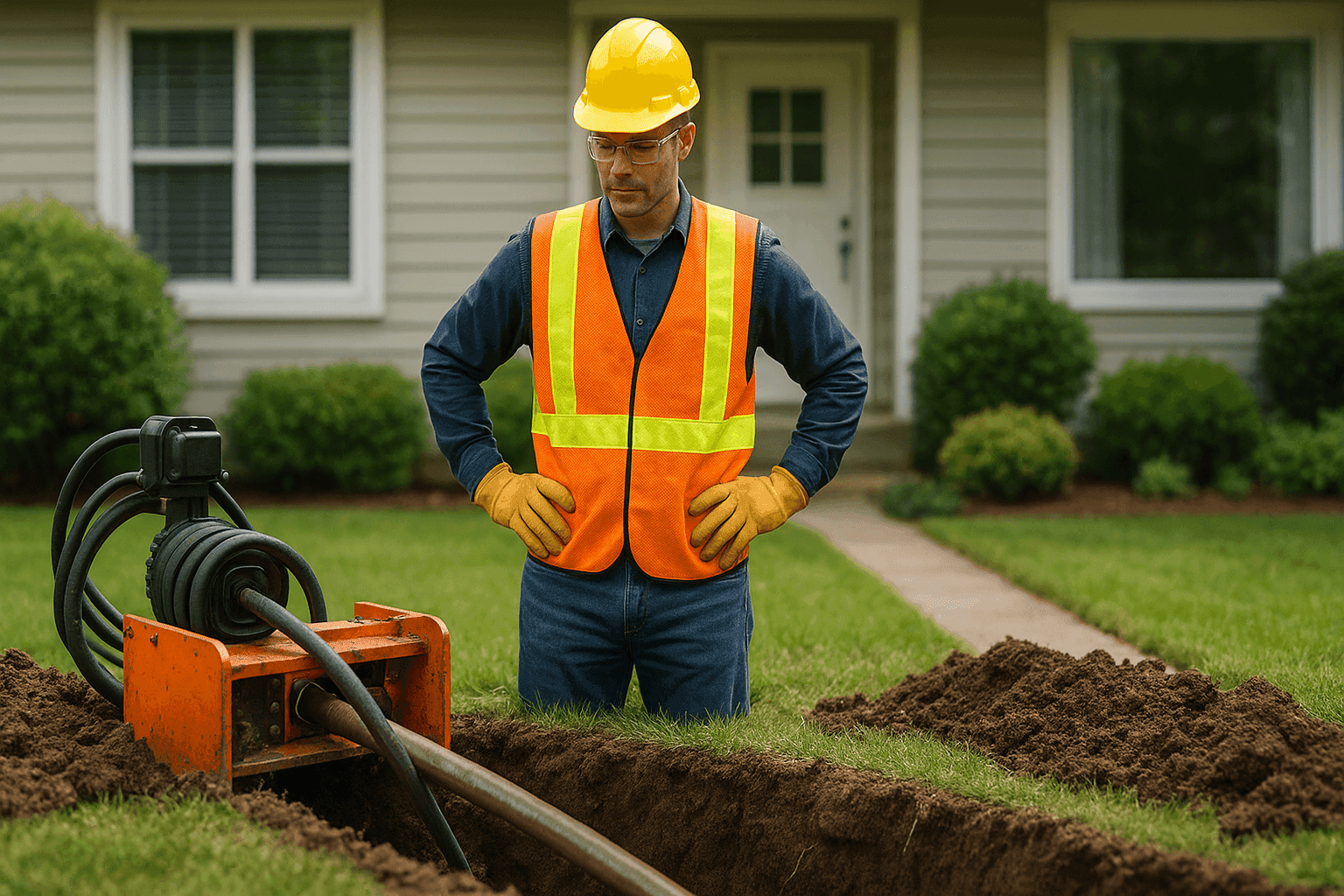
Life doesn’t wait for a convenient moment to throw plumbing curveballs. A backed-up yard. A wet basement. Or the dreaded slow drain that becomes a crisis overnight. If you’re facing a failing sewer line, the clock is ticking—and the stakes are high.
At Renegar Plumbing, we understand how stressful sewer line problems can be for homeowners. You want it fixed quickly and safely, with as little disruption as possible. Our teams handle everything from emergency plumbing and leak repair to full sewer line installation—so you don’t have to face these challenges alone.
Why Sewer Line Installation Happens
Not all pipes last forever. Sometimes, nature or age wins.
Common triggers for a new sewer line include:
- Old, corroded pipes: Like a fraying rope, metal and clay lines weaken over decades.
- Root invasion: Tree roots sneak in and grow, cracking or blocking pipes.
- Major leaks or collapse: Sudden ground shifts or repeated clogs signal deeper trouble.
- Home renovations or additions: New bathrooms or kitchens often need upgraded sewer lines.
- New construction: A fresh start means a fresh sewer system.
Ignoring the signs can lead to costly water damage, sewage backups, or health hazards. If your drains gurgle or your yard smells off, it’s time to investigate.
Quick Safety Checklist ✅
Before any dig or repair, safety comes first. Here’s what’s non-negotiable:
- Call 811 before you dig. Utility line marking is a must.
- Check local permit requirements. Most towns demand paperwork for sewer work.
- Inspect for hazardous materials. Old lines may contain asbestos or lead.
- Know your codes. Municipal plumbing and building codes set the standard (see the International Plumbing Code and local regulations).
- Secure the worksite. Fencing and signage keep pets, kids, and neighbors safe.
A professional plumber always follows these steps—no shortcuts.
DIY vs. Call a Pro
Sewer line installation isn’t a weekend project. It’s more like major surgery for your home’s plumbing system.
DIY risks:
- Digging can damage gas, water, or utility lines.
- Code violations lead to fines or forced rework.
- Improper grading causes future backups.
- Home insurance may not cover DIY mistakes.
When to call Renegar Plumbing:
- If you notice persistent sewer odors or soggy patches in your yard.
- After repeated emergency plumbing visits for clogs or backups.
- When the city demands repair or replacement after an inspection.
Tools, permits, and experience matter. Think of us as your plumbing ER—ready for anything.
What Pros Do On Arrival
Expect a thorough, methodical approach. Here’s our step-by-step:
-
Assessment & Video Inspection
We feed a camera into your pipes to pinpoint cracks, breaks, or blockages. -
Permit Pulling & Code Review
Every job follows local ordinances—no exceptions. -
Discuss Method Options
We explain traditional trenching vs. trenchless repair (more on that soon). -
Site Prep
Landscapes and hardscapes are protected with tarps, fencing, or plywood. -
Installation
Pipes are replaced or relined, connections are secured, and everything is tested for leaks. -
Restoration
Soil, sod, and surfaces are restored as closely as possible to original condition. -
Final Inspection
City inspectors sign off, and we walk you through the results.
We treat your home with respect, working as quickly and cleanly as possible.
Sewer Line Installation Methods
There’s more than one way to build a pipeline. Here’s how they stack up:
Traditional (Open-Trench) Method
- How it works:
Crews dig a trench from house to street, remove the old pipe, and lay a new one. - Pros:
- Suitable for severely damaged, collapsed, or offset lines.
- Allows full visual inspection and replacement.
- Cons:
- Disruptive to lawns, driveways, or gardens.
- Longer cleanup and restoration.
Trenchless Sewer Line Installation 🚧
- How it works:
Minimal digging. We use specialized equipment to either burst the old pipe and pull a new one through (pipe bursting) or reline it from the inside (pipe lining/CIPP). - Pros:
- Faster—often done in a day.
- Less mess; preserves landscaping.
- Cons:
- Not suitable for every situation (collapsed pipes may not be candidates).
- Upfront cost per foot can be higher, but often offset by reduced restoration.
Which is best? We assess your unique situation, soil conditions, and budget to recommend the right fit.
Costs & Time Factors
Let’s talk numbers—without sticker shock.
What affects the price?
- Length and depth of the line
- Soil type and ground conditions
- Method used (trench vs. trenchless)
- Obstacles (trees, driveways, retaining walls)
- Permit and inspection fees
Typical cost ranges:
Sewer line installation often falls between several thousand to tens of thousands of dollars, depending on complexity, materials, and method. Trenchless options may run higher per foot but save on landscape repair.
Timeline:
- Trenchless jobs: As little as one day.
- Traditional: 2–5 days, including restoration.
- Weather, permitting, and inspections may add extra time.
We provide transparent estimates and keep you updated every step of the way.
What to Expect on Install Day
It’s a big day—the plumbing equivalent of open-heart surgery for your home.
Here’s what you’ll see:
- Crews arriving early with equipment, safety gear, and clear communication.
- Protected work areas to prevent unnecessary damage.
- Possible temporary water shutoff (we’ll warn you in advance).
- Efficient excavation or access points, depending on method.
- Loud equipment, but a focus on safety and speed.
- Real-time updates if plans change due to unexpected findings.
When the job’s done, we haul away debris and restore your property as much as possible. Final testing ensures your new sewer line works as intended.
Restoration & Satisfaction
Renegar Plumbing knows your home is more than just pipes and dirt. After installation, we:
- Backfill and compact soil to minimize future settling.
- Replace sod or patch landscaping where needed.
- Keep lines of communication open for post-job questions or concerns.
Our goal? To leave you with peace of mind—and a plumbing system ready for years of reliable service.
Code Compliance & Local Considerations
Plumbing codes aren’t just red tape. They protect your family, the city’s water supply, and the environment.
- We follow:
- International Plumbing Code (IPC)
- Local municipal codes (ask your city for specifics)
- OSHA excavation safety standards
- Permitting:
- We pull all required permits before work starts.
- City inspectors review the finished job.
Tip: Keep all paperwork for future home sales or insurance claims.
Prevention & Maintenance
A new sewer line is a fresh start—but maintenance helps it last.
- Avoid flushing wipes, grease, or non-degradable items.
- Schedule routine drain cleaning to prevent future clogs.
- Watch for early warning signs: slow drains, gurgling sounds, or soggy yards.
- Tree roots are crafty. Consider root barriers or routine rooter service if you have old trees nearby.
Regular checks can prevent another emergency plumbing call down the line.
When It’s an Emergency
Sometimes, you can’t wait. Sudden sewage in the basement. Toilets overflowing at midnight. These are classic emergency plumbing moments.
What to do:
- Stop using water immediately.
- Move valuables away from affected areas.
- Call Renegar Plumbing for immediate guidance.
We’re equipped for rapid response, day or night.
Frequently Asked Questions
How do I know if my sewer line needs replacement or just repair?
If you’re dealing with constant blockages, multiple slow drains, or visible sewer water in the yard, a full replacement may be the safest solution. We use video inspection to diagnose the problem before recommending any work.
Will my homeowner’s insurance cover sewer line installation?
Coverage varies by policy. Many plans don’t cover normal wear and tear, but some include specific endorsements for “service line protection.” Check your policy or ask your agent for details.
What’s the difference between pipe bursting and pipe lining?
Pipe bursting destroys the old line and drags a new one in its place. Pipe lining (CIPP) creates a new inner surface inside the existing pipe—like putting a new straw inside an old one. Both are trenchless, with different best-use cases.
How long does a new sewer line last?
Modern materials (like PVC or HDPE) can last 50 years or more with proper care.
Local & Seasonal Considerations 🌧️
- Soil type: Rocky or clay soils require different tools and approaches.
- Tree roots: Big, old trees are common culprits for recurring damage.
- Weather: Heavy rain or frozen ground can delay work or require special equipment.
- City ordinances: Some areas have strict limits on work hours or restoration methods.
Renegar Plumbing tailors every job to local conditions—and keeps you informed, rain or shine.
Call Renegar Plumbing now — or reach us anytime at 888-899-9250 .