Sewer Line Problems: Signs, Causes, and Repair Options
When your sewer line acts up, life gets messy—fast. Water backing into your tub. Drains gurgling like a swamp. That unmistakable, nose-wrinkling odor. Problems with your sewer line don’t just interrupt your day. They can threaten the comfort and safety of your entire home.
At Renegar Plumbing, we know how serious sewer trouble can be. Our crews tackle emergencies at all hours, using advanced gear to pinpoint issues and keep families safe. If your drains are sluggish or your yard is suddenly greener over your sewer line, don’t ignore it. Let’s break down what’s really happening—and how to fix it before things get worse.
Signs You May Have a Sewer Line Problem 🚨
It’s easy to miss the early warning signs. But small clues can signal big trouble below the surface. Watch for these red flags:
- Slow drains throughout the house: If your sink, tub, and toilet all drain slowly, it’s rarely a coincidence. This is often the first sign your main sewer line is struggling.
- Foul odors: A strong, sewage-like smell indoors or outdoors is a telltale sign that wastewater isn’t flowing where it should.
- Frequent backups: Water bubbling up in the shower or basement floor drain after you flush is never normal.
- Unusual lawn patches: If one area of your yard is especially green or soggy—even in dry weather—it could be from a leaking pipe underneath.
- Gurgling noises: Drains that gurgle or toilets that bubble when you run the sink can indicate air trapped by a blockage.
Ignoring these signals is like ignoring a smoke alarm. The longer you wait, the worse—and more expensive—the problem can become.
Quick Safety Checklist
If you suspect a sewer line issue, take these steps right away:
- Stop using water: Limit the use of toilets, sinks, and showers until a plumber assesses the situation.
- Watch for sewage: If you see gray or black water backing up, keep pets and kids away.
- Turn off appliances: Pause your dishwasher and washing machine to avoid making the backup worse.
- Check for gas smells: If you notice a rotten egg odor, leave the house and call your gas utility—sewer leaks can sometimes affect gas lines.
- Document the problem: Take photos of any visible water damage for your insurance company.
Your health and safety come first. Wastewater can carry harmful bacteria, so don’t try to clean up a major backup yourself.
DIY vs. When to Call a Pro
It’s tempting to grab a plunger or pour chemicals down the drain. For minor clogs, that might help. But for main line problems, DIY fixes often make things worse:
- Plungers: Good for isolated toilet clogs, not for main line blockages.
- Chemical drain cleaners: These can corrode pipes and rarely clear deep obstructions.
- Home augers (“snakes”): Limited reach and power. They may punch a hole in a clog but won’t remove roots or collapsed pipe.
If you’re facing:
- Multiple slow drains
- Sewage backups
- Recurring clogs
- Bad odors
…it’s time to call in emergency plumbing help. Sewer line issues demand specialized equipment and know-how.
What Pros Do On Arrival
When you call Renegar Plumbing, here’s what happens next:
1. Initial Assessment
We start by asking about your symptoms—backups, smells, noises. Our team checks your drains and inspects your property for visible signs of leaks or soggy ground.
2. Advanced Inspection Techniques
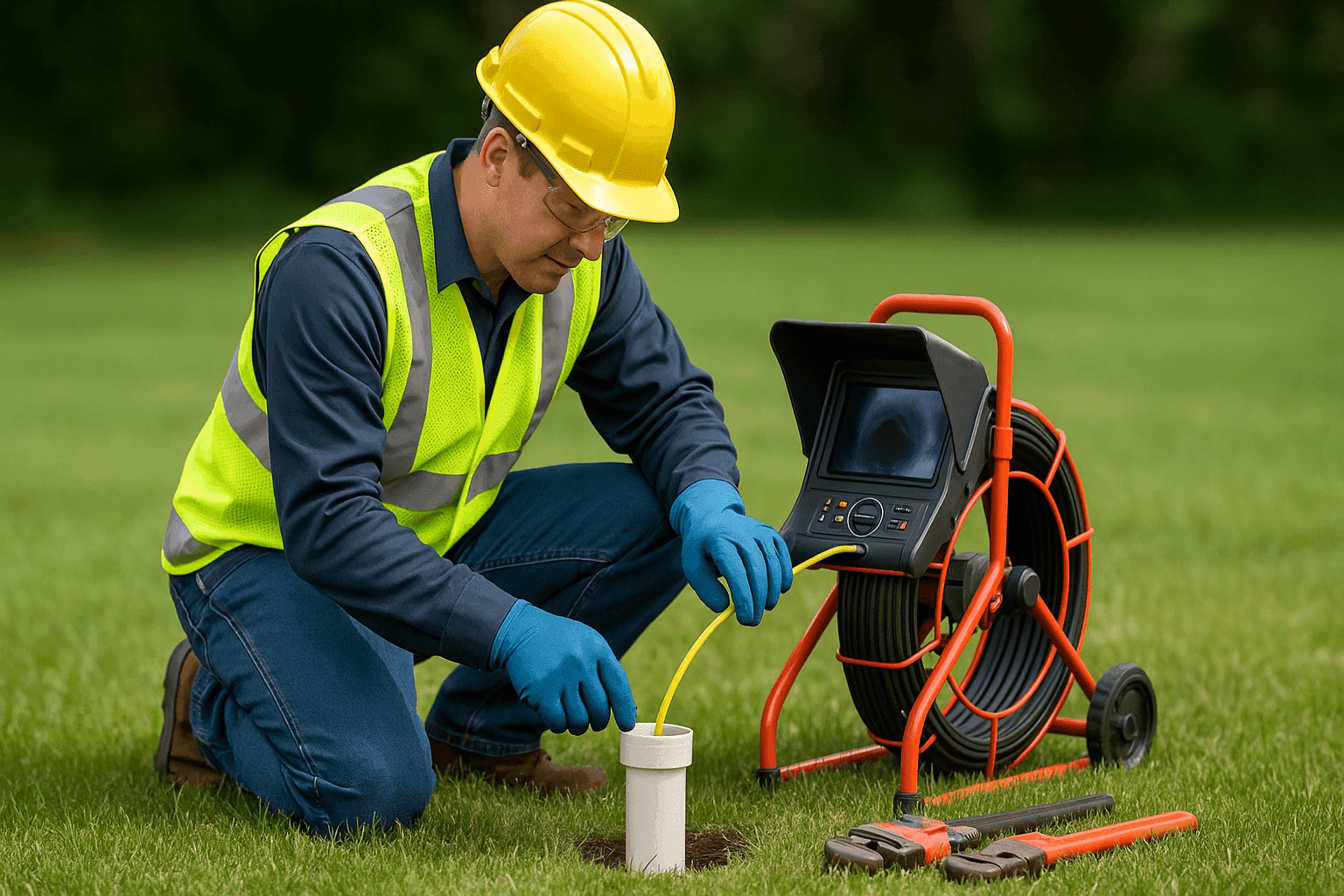
- Camera inspection: We feed a flexible camera through your sewer line to see exactly what’s causing the blockage. This shows us roots, cracks, collapsed sections, or major grease buildup in real-time.
- Smoke testing: For hard-to-find leaks, we may use a safe, non-toxic smoke that fills the pipes. If smoke escapes into your yard or home, we know where the break is.
- Pressure testing: Sometimes, testing the pressure helps confirm if the pipe is leaking underground.
3. Pinpointing the Cause
Common culprits include:
- Tree roots: Like underground burglars, roots sneak into tiny pipe cracks and grow, eventually blocking the line.
- Grease and debris: Years of buildup form stubborn clogs.
- Old or broken pipes: Pipes can collapse due to age, shifting soil, or construction damage.
- Foreign objects: Flushing wipes, diapers, or toys can snag and start a chain reaction of clogs.
4. Clear Communication
We’ll show you footage from the inspection, explain what’s happening, and walk you through your repair options.
Understanding Sewer Repair Options
Not all sewer repairs are created equal. There are two main approaches, each with pros and cons.
Traditional (Excavation) Repair
This is the “dig it up” method. Crews excavate the ground above the sewer line, remove the damaged section, and replace it.
- Best for: Severely collapsed or misaligned pipes, major root invasion.
- Disruption: High—you’ll have trenches in your yard or driveway.
- Timeline: 1–3 days, depending on the length and depth of pipe.
- Cost: Labor-intensive and can be more expensive due to landscaping repairs afterward.
Trenchless Sewer Repair
Modern technology lets us repair pipes with minimal digging.
-
Pipe lining (CIPP): We insert a resin-coated liner into the old pipe and cure it in place. It forms a new, durable pipe inside the original.
-
Pipe bursting: A new pipe is pulled through the old one, breaking the damaged pipe apart as it goes.
-
Best for: Pipes that are damaged but mostly intact and well-aligned.
-
Disruption: Low—a couple of small access holes, not a whole trench.
-
Timeline: Many trenchless jobs finish in a single day.
-
Cost: Sometimes more up front, but you save on restoring landscaping or driveways.
Bottom line: Trenchless is faster and less disruptive when possible, but not every job qualifies. We’ll help you pick the safest, most cost-effective fix.
Causes of Sewer Line Problems
Understanding the “why” helps prevent future headaches. Here’s what commonly goes wrong:
- Tree roots: Roots seek water and nutrients. Old clay or cast-iron pipes are especially vulnerable to invasion.
- Aging materials: Pipes can crack, corrode, or sag over time. According to the Plumbing-Heating-Cooling Contractors Association, many homes built before the 1970s have pipes nearing the end of their lifespan.
- Ground movement: Soil settling can misalign or break pipes.
- Improper installation: Poorly connected pipes are more likely to leak or collapse.
- Grease and debris: Pouring grease down the drain is like clogging your arteries with bacon fat. It hardens and collects debris.
- Flushed items: “Flushable” wipes, feminine products, and toys can all block a line.
Prevention & Maintenance Tips 🛠️
While some problems are out of your hands, regular habits can help avoid big repairs:
- Watch what goes down the drain: No grease, wipes, or hard objects.
- Schedule annual drain cleaning: Professional cleaning clears minor buildup before it becomes a disaster.
- Plant trees away from pipes: Avoid large trees near sewer lines.
- Install backflow prevention: Protects your home from sewage backups during heavy rain or blockages.
- Know your plumbing layout: Keep a copy of your home’s sewer map (often available from your city or builder).
- Routine camera inspections: Every few years, especially in older homes, a quick look inside your pipes can catch problems early.
Refer to local plumbing codes and the International Plumbing Code for best practices, or ask your city or county for specific guidelines.
Costs & Time Factors
Every home is different, but here’s what can affect your repair timeline and budget:
- Type of repair: Trenchless is often quicker than full excavation.
- Pipe material and length: Older, brittle pipes or longer runs take more time.
- Accessibility: Pipes under driveways or deep in the yard require more labor.
- Severity of damage: Minor cracks vs. complete collapse changes everything.
Repairs can take anywhere from several hours to three days. Costs vary widely—you’ll save money (and stress) by acting at the first sign of trouble.
When It’s an Emergency
Sometimes, waiting isn’t an option. Call emergency plumbing help immediately if you have:
- Sewage backing up into your home
- Multiple clogged fixtures at once
- Gushing water in your yard or basement
- Strong, persistent sewer odors indoors
Delays can lead to water damage, mold growth, or even contamination of your drinking water. Renegar Plumbing responds 24/7 for true emergencies—no waiting until morning.
FAQ: Sewer Line Problems
Why do tree roots cause so many sewer problems?
Roots are drawn to moisture and can enter even the smallest crack in older pipes, expanding and eventually blocking the line.
Can I use store-bought chemicals for a sewer line clog?
No. These products can damage your pipes and are rarely effective on deep or major blockages.
How do I know if I need a full replacement or just a repair?
A camera inspection shows the condition and location of the problem, helping us recommend the right fix.
Is trenchless repair as durable as new pipe?
Yes, when installed correctly, trenchless liners or new pipes are rated to last for decades.
Local and Seasonal Considerations
Certain times of year can make sewer problems worse:
- Spring thaw: Melting snow or heavy rain can overload old lines and cause backups.
- Tree growth cycles: Roots grow fastest in spring and summer.
- Freezing weather: Pipes can crack if water freezes and expands inside.
If you live in an area with shifting soils, older infrastructure, or large trees, regular inspections are especially important.
Our Equipment: Why Tools Matter
Modern problems need modern solutions. Renegar Plumbing uses high-resolution sewer cameras, advanced smoke testers, and the latest trenchless repair gear. This means faster, cleaner, and more effective service—so your life gets back to normal, fast.
Don’t wait for a minor clog to turn into a major headache. Call Renegar Plumbing now — or reach us anytime at 888-899-9250 .