Signs You Need Professional Pipe Repair or Replacement
Is your house trying to tell you something? Sometimes, it’s not a dripping faucet—it’s a whisper through the walls. A stain on the ceiling. A trickle where there shouldn’t be. When pipes start to fail, they rarely shout about it. But the signs are there if you know where to look.
At Renegar Plumbing, we’ve seen every kind of pipe problem—big, small, sneaky, dramatic. If you’re seeing strange water stains, rusty water, or your shower seems like it’s lost its nerve, you’re not alone. Here’s what you need to watch for, what it means, and what you can do about it.
The Warning Signs: When Pipes Cry for Help 🛑
No one wants to tear into walls or deal with a flooded basement. But ignoring the symptoms can turn a small fix into a major headache. Here’s what to keep an eye out for:
- Water stains or bubbling paint: Brown or yellow marks on ceilings or walls often mean water is leaking inside.
- Low water pressure: If your shower suddenly feels weak or faucets sputter, pipes might be clogged or corroded.
- Discolored water: Rusty, brown, or cloudy water can signal pipe corrosion or sediment buildup.
- Visible corrosion: Green, white, or rust-colored residue on exposed pipes is a red flag.
- Frequent leaks: If you’re patching leaks more than once a year, the problem may be system-wide.
- Strange smells: Musty, earthy, or metallic odors can point to hidden leaks or pipe decay.
Ignoring these signals can lead to mold, costly water damage, or even structural issues. The sooner you spot them, the less you’ll worry later.
Quick Safety Checklist: What to Do First
Before you grab a wrench or call for emergency plumbing, take a minute to check these essentials:
- Turn off the main water supply if you see active leaking.
- Unplug or move electronics near any water-damaged areas.
- Check your water heater: If leaks are close by, shut off power or gas to the heater (see the manufacturer's instructions).
- Avoid electrical outlets in wet areas—water and electricity don’t mix.
- Take photos of any visible damage for insurance or repair records.
If water is spreading fast or you smell gas, leave the house and call for help immediately.
DIY vs. Call a Pro: When to Roll Up Your Sleeves
Some problems are like a loose doorknob—easy to fix on your own. Others are more like a cracked foundation: you need the right tools and know-how. Here’s when you can try it yourself, and when it’s time for a professional.
DIY-Friendly Fixes:
- Tightening a loose connection under the sink.
- Replacing a worn-out washer in a faucet.
- Unclogging a simple drain (if you’re sure it’s not a deeper issue).
Call a Pro If:
- You see repeated leaks in the same spot.
- Water stains keep growing, even after you “fix” the area.
- Pipes are visibly corroded, cracked, or bulging.
- You notice low water pressure throughout the house.
- There’s discolored water from multiple taps.
- The leak is behind walls, ceilings, or underground.
Most homeowners aren’t licensed to handle gas lines, solder copper, or replace entire pipe sections. Playing “plumber for a day” can lead to more damage, higher costs, or even code violations.
What Plumbers Do When They Arrive
When you call Renegar Plumbing for emergency plumbing or pipe repair, here’s what happens next:
- Inspection: We use specialized tools—like moisture meters and infrared cameras—to find leaks, even if they’re hidden.
- Assessment: We’ll check pipe material (copper, galvanized steel, PEX, PVC) and the scope of damage.
- Code Check: All repairs follow local building codes and safety standards (see the International Plumbing Code for reference).
- Options: We’ll explain if a simple repair is safe or if a section (or the whole system) needs replacement.
- Clean Work: Protective coverings keep your home tidy, and we always clean up after ourselves.
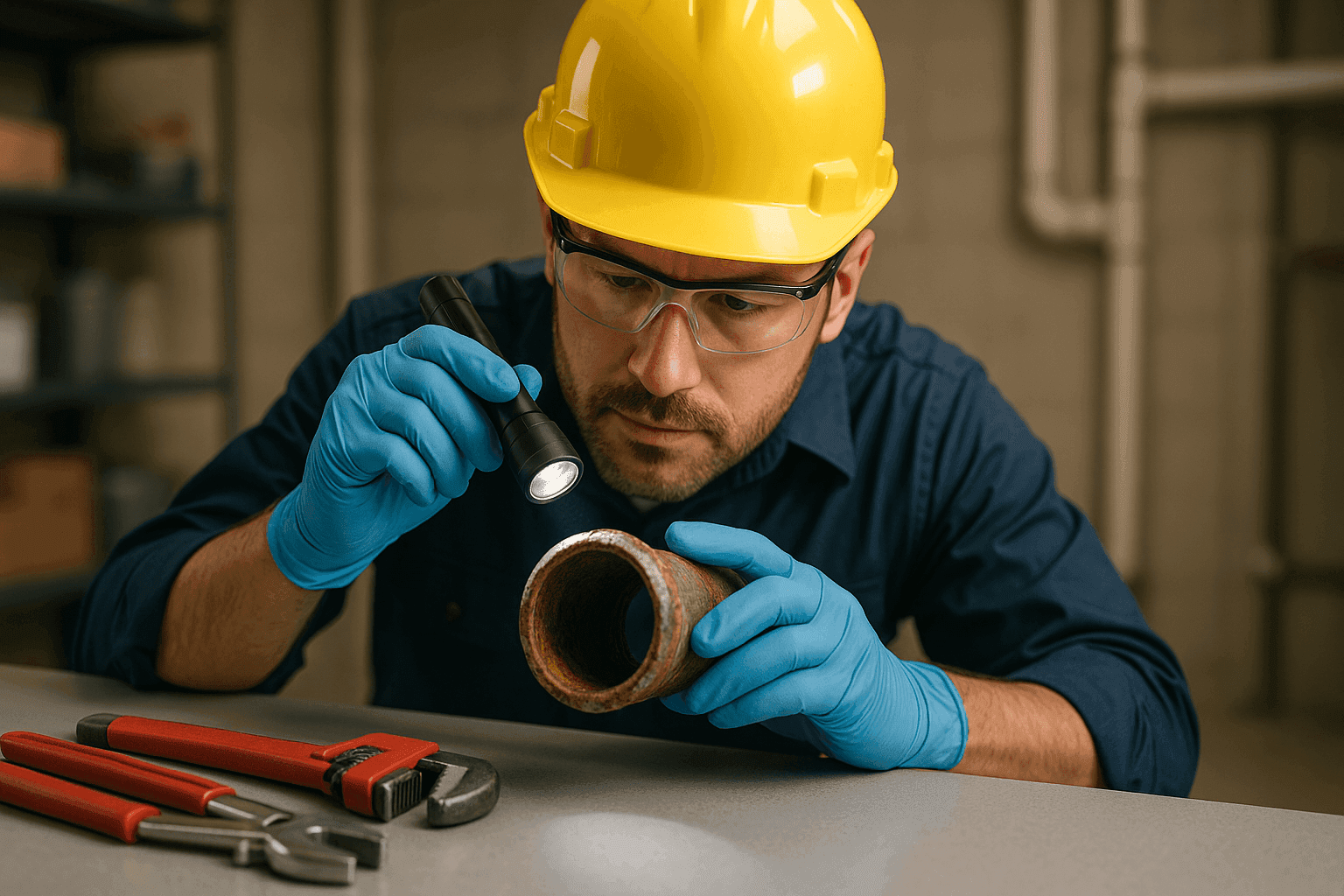
Photos like the one above show what neglected pipes can look like inside—a stark reminder of why fast attention matters.
Prevention & Maintenance: Keep Pipes Healthy
Think of plumbing as your home’s circulatory system. A little care now keeps everything flowing. Here’s how to avoid trouble:
- Watch for early warning signs (see above).
- Insulate pipes in cold zones to prevent freezing and bursting.
- Schedule annual inspections—especially if your home is 30+ years old or has galvanized pipes.
- Soften hard water: Mineral buildup can clog and corrode pipes. Consider a water filtration system.
- Address leaks quickly: Even a slow drip adds up over time.
Want more specifics? The Environmental Protection Agency (EPA) notes that household leaks can waste nearly 10,000 gallons of water each year. That’s money down the drain—and often preventable.
Costs & Time Factors: Repair vs. Repiping
Not every leak means a new pipe for every wall. But sometimes, it’s the smarter move. Here’s how it breaks down:
Pipe Repair:
- Faster: Most single-leak repairs take a few hours to a day.
- Lower cost: Materials and labor cover only the problem area.
- Best for: Newer pipes, isolated leaks, or damage from a specific event.
Whole-Home Repiping:
- Longer: Usually takes several days, depending on house size and pipe access.
- Higher investment: Upfront costs are larger, but it may save money long-term.
- Best for: Older homes (40+ years), frequent leaks, visible corrosion, or low water pressure everywhere.
- Materials: Copper, PEX, and CPVC are common. Each has a lifespan—copper (50+ years), PEX (40+ years), galvanized steel (40–50 years, but prone to corrosion).
Benefit Breakdown:
- Repair is like patching a hole in your favorite jeans—quick, but sometimes only a temporary fix.
- Repiping is like buying a new pair that’ll last for years. The upfront cost is higher, but you’ll avoid endless repairs, water damage, and rising utility bills.
Every Renegar repair or repipe uses code-approved materials and comes with our warranty-backed service—so you’re covered if something goes wrong.
When It’s an Emergency 🚨
Some plumbing issues can wait for regular hours. Others need fast attention—no matter the time.
Emergency situations include:
- Burst pipes spraying water.
- Major leaks near electrical wiring.
- Water heater failure with flooding.
- Sewage backing up into your home.
- Gas line smells or hissing sounds.
If you face any of these, shut off the main water (or gas) supply and call for emergency plumbing. Minutes matter in a true crisis.
FAQ: Pipe Repair & Replacement Questions
How do I know if I need pipe repair or full repiping?
If you’re seeing leaks in multiple spots, low water pressure everywhere, or pipes are older than 40 years, repiping might be needed. For a single leak or recent damage, repair is usually enough. Every home is different—Renegar Plumbing will walk you through the options.
Can I use tape or sealant to fix a leak myself?
Short-term, pipe tape or sealant can stop a drip. But it’s not a lasting fix. Hidden damage and pressure can cause the leak to return—or get worse.
How long will a pipe repair or repipe last?
With quality materials and installation, copper pipes often last 50+ years, PEX around 40 years. Repairs can last just as long if the rest of the system is healthy.
Are your repairs up to code?
Yes, every job follows local plumbing codes and safety standards. We stay updated on the latest guidelines, including those from the International Plumbing Code and local authorities.
Local & Seasonal Considerations
Every region faces its own pipe problems. In colder climates, frozen pipes are a real threat. In older neighborhoods, galvanized steel pipes (common before the 1970s) can corrode from the inside out. Seasonal rains might reveal hidden leaks, while older homes often have mixed pipe materials.
If your area deals with hard water, mineral scale can build up inside pipes—reducing flow and corroding metal over time. Yearly inspections and water filtration can make a big difference.
Next Steps: Don’t Wait for Water Damage
Pipes rarely fix themselves. If you’ve spotted stains, leaks, or rusty water, don’t ignore the signs. Renegar Plumbing is here to help—24/7, every day.
Call Renegar Plumbing now — or reach us anytime at 888-899-9250 .