How to Troubleshoot and Repair a Leaky Faucet
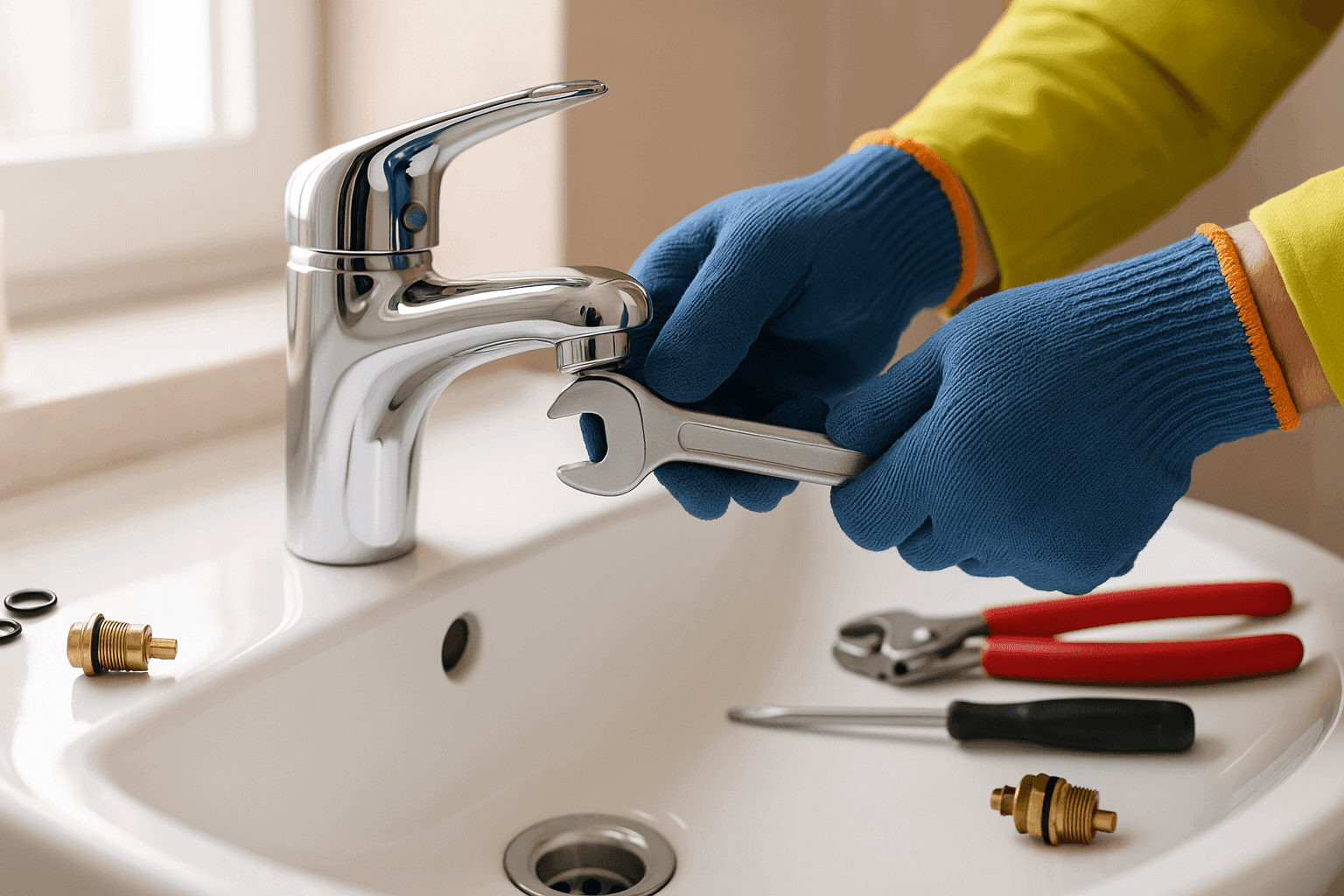
Is the drip-drip-drip of a leaky faucet keeping you up at night? You’re not alone. It’s one of the most common reasons folks call emergency plumbing services. A small leak can feel like a big deal—wasting water, spiking bills, and sometimes causing hidden damage under your sink. But you don’t need a toolbox the size of a minivan to get started.
At Renegar Plumbing, we’ve seen every kind of faucet fiasco. Here’s a simple, no-nonsense guide to help you spot, stop, and fix the most common causes of faucet leaks. And when it’s time to call in the pros for water heater repair near you or a midnight pipe emergency, we’re here 24/7.
Why Is My Faucet Leaking? The Real-World Scenarios
Faucets are like traffic lights for your plumbing. When they work, you hardly notice. When they don’t, everything backs up.
Most leaks come from:
- Worn washers or O-rings (think of them as the faucet’s “shoes”—they wear out with every step)
- Faulty cartridges in modern single-handle faucets
- Loose or corroded valve seats
- Failing seals or gaskets
- Cracks in pipes or supply lines under the sink
Common faucet types:
- Compression: Classic two-handle faucets. Rely on washers.
- Ball: Single handle, rotates for temp and flow. Uses ball bearings and springs.
- Cartridge: Single or double handle. Moves smoothly with no big twist.
- Ceramic Disk: Single lever, glides side to side. Durable, but seals wear out.
Knowing your faucet’s type is like knowing if your car takes diesel or regular. It shapes your fix.
Quick Safety Checklist Before You Start 🛠️
Before you grab a wrench, pause! A few safety steps can keep a small job from turning into a flood.
- Turn off water supply: Look under the sink for shutoff valves. Twist clockwise.
- Plug the drain: A dropped screw disappears fast.
- Unplug appliances: If you’re working near outlets, safety first.
- Have towels handy: For drips, splashes, or the “oops” moment.
- Double-check hot/cold lines: Some valves are reversed.
For extra peace of mind, check your local building codes or the International Plumbing Code (IPC) for safety requirements.
DIY: Troubleshooting and Fixing the Leak
1. Diagnose the Leak
- Is water dripping from the spout? Likely a washer, O-ring, or cartridge.
- Is it leaking at the base or under the sink? Check connections, gaskets, or supply lines.
2. Gather Your Tools
- Adjustable wrench
- Flathead and Phillips screwdrivers
- Replacement parts (washer, O-ring, cartridge—check your faucet brand/model)
- Plumber’s grease
3. Fixing Compression Faucets (Washer Replacement)
Compression faucets are like old sneakers—reliable, but the soles wear out.
- Remove the faucet handle (usually a screw under a decorative cap).
- Unscrew the packing nut with a wrench.
- Take out the stem. The rubber washer is at the bottom.
- Replace the washer with the same size/type.
- Grease threads with plumber’s grease. Reassemble.
4. Fixing Cartridge Faucets
Cartridge faucets act like a sliding dimmer switch.
- Remove the handle.
- Unscrew retaining nut or clip. Pull out the cartridge (note orientation).
- Replace with a new cartridge.
- Reassemble.
5. Ball or Ceramic Disk Faucets
These use more parts but follow a similar logic: seals, springs, or disks may need replacing. Kits are available for most brands.
6. Leaks Under the Sink
- Tighten supply line fittings gently.
- Inspect for cracked pipes or worn gaskets.
- Replace supply lines if you spot corrosion or bulges.
If you find rust, warping, or water damage under the cabinet—pause. Deep leaks can lead to mold or structural issues. This is when emergency plumbing help makes sense.
Should You DIY or Call a Pro?
Fixing a leaky faucet is often DIY-friendly. If you can change a lightbulb or assemble flat-pack furniture, you’ve got the skills for most minor repairs.
But call a pro if you encounter:
- Stuck or corroded parts that won’t budge
- Leaks from pipes inside the wall or floor
- Water damage or mold beneath the sink
- Gas line issues (for combination boilers or heaters)
- Repeated leaks after several fixes
A licensed plumber has the tools, parts, and know-how to prevent a quick fix from becoming a costly mistake.
What Happens When a Plumber Arrives?
A pro from Renegar Plumbing will:
- Inspect the faucet and connections
- Shut off water safely
- Diagnose the exact cause (washer, cartridge, seat, or pipe)
- Use quality replacement parts
- Check for pressure issues or hidden leaks
- Test everything to code before leaving
We always follow the latest plumbing safety standards (see the Uniform Plumbing Code, Section 605), so your home stays safe and dry.
Preventing Leaks & Easy Maintenance
A little care goes a long way. Here’s how to keep leaks from coming back:
- Clean faucet aerators every few months
- Don’t force handles—gentle is best
- Watch for slow drips and fix early
- Check supply lines for corrosion yearly
- Install water leak detectors for early warning
For families with hard water, consider a water filtration system. It can extend the life of faucets and appliances.
What Will It Cost? How Long Will It Take?
- DIY washer or cartridge replacement: 20–45 minutes, basic parts cost a few dollars
- Professional faucet repair: Typically 30–90 minutes, depending on access and part availability
- Complex leaks (under-sink pipes): Can take several hours, especially if cabinets or walls need work
Remember, a small leak can add up: just one drip per second wastes over 3,000 gallons a year (EPA WaterSense).
When Is a Leaky Faucet an Emergency? 🚨
Call for emergency plumbing help if you have:
- Water flowing onto the floor or into cabinets
- Leaks you can’t stop by turning off valves
- Electrical outlets or appliances near the leak
- Any sign of water near gas lines or heating equipment
Water travels fast. Damage can spread in minutes, not hours.
FAQ: Common Leaky Faucet Questions
Q: Why does my faucet still drip after replacing the washer?
A: The valve seat or cartridge may be worn, or debris is lodged inside. Try replacing the cartridge or cleaning the seat.
Q: Can pipe leaks under the sink cause mold?
A: Yes—standing water in cabinets can lead to mold growth in days. Always dry the area thoroughly and check for damage.
Q: Are all faucet cartridges the same?
A: No—cartridges vary by brand and model. Bring the old one to the hardware store for a match.
Q: How do I know if the leak is in the faucet or the pipes?
A: Turn off the faucet. If it still leaks, the issue is likely in the supply lines or shutoff valves.
Local & Seasonal Plumbing Tips
Seasonal temperature swings put extra strain on pipes and faucet seals. In winter, check for drafts under sinks that could freeze lines. In summer, watch for increased mineral buildup from hard water.
If you’re in an area with frequent water pressure spikes, ask about pressure-reducing valves or backflow prevention. These can protect your whole plumbing system.
Water-Saving Upgrades Worth Considering
Fixing a leak is a great chance to think about upgrades. Modern faucets use less water without sacrificing pressure. WaterSense-labeled fixtures (EPA) cut usage by up to 30%. Touchless faucets add convenience and reduce germ spread for busy households.
If you’re planning a bathroom or kitchen remodel, ask about water filtration systems, backflow prevention, and high-efficiency water heaters. Small changes can save thousands of gallons—and lower bills—year after year.
Ready to stop the drip for good? Whether it’s a midnight emergency plumbing call or a weekend water heater repair near you, Renegar Plumbing is here to help—day or night.
Call Renegar Plumbing now — or reach us anytime at 888-899-9250 .