Water Heater Installation: What to Expect and How to Prepare
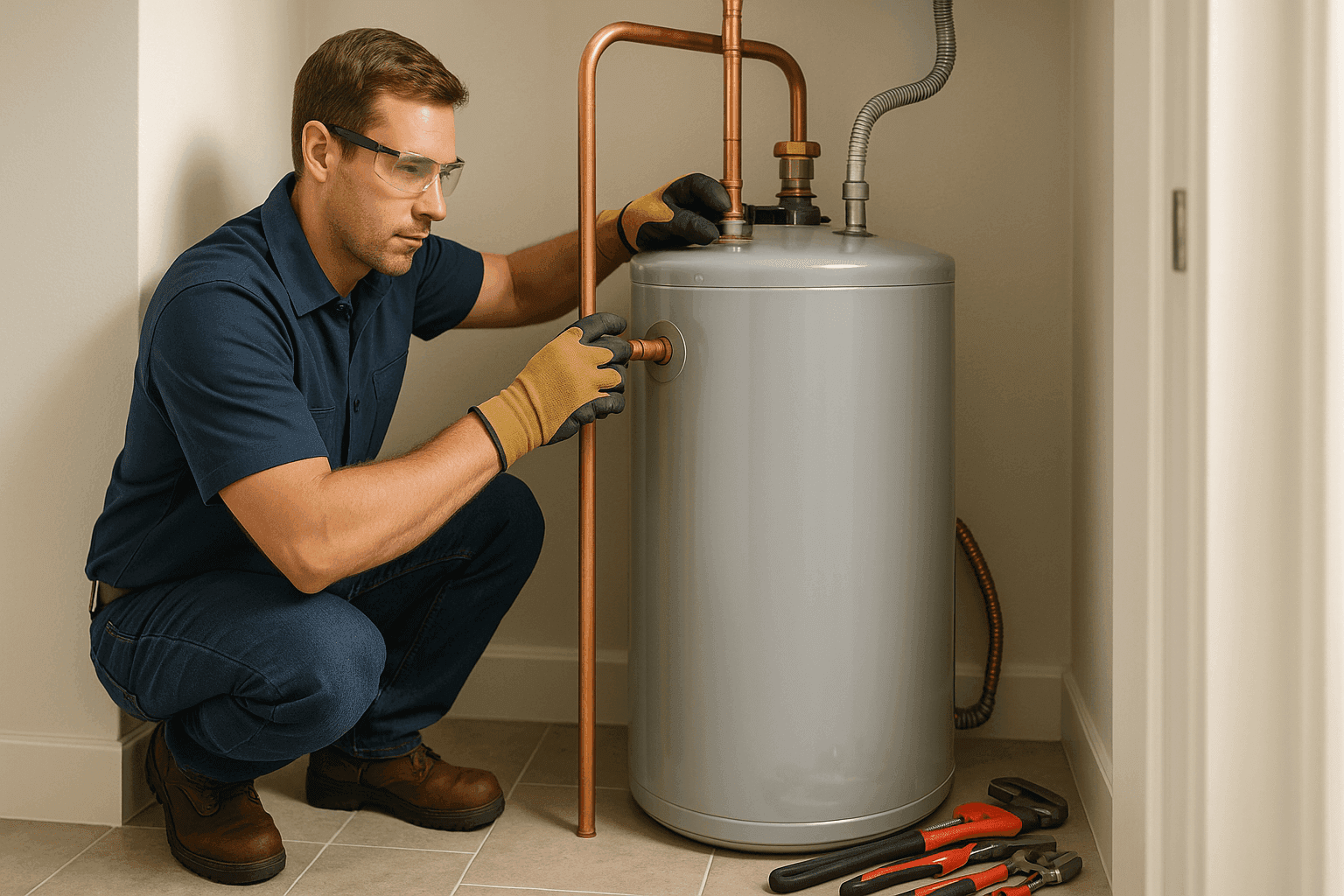
No one wants to start their morning with a freezing shower or a puddle on the floor. When your water heater fails, it feels like a race against time. Renegar Plumbing has helped homeowners through countless “no hot water” emergencies—day and night.
A new water heater is a big investment. The process might seem intimidating, but with the right team and a little prep, your hot water can be back before you know it.
Why Water Heater Installation Matters
A water heater isn’t just a big metal tank in a closet. It’s the engine behind warm baths, clean dishes, and fresh laundry. When it stops working, everything stalls.
Most water heaters last 8–15 years. Past that, they become less efficient and more likely to leak or fail altogether. Whether you’re planning an upgrade or faced with an emergency plumbing situation, knowing what to expect helps you make smart choices.
Quick Safety Checklist ✅
Before installation day, here are a few things to keep in mind:
- Clear the area. Remove boxes, bikes, and laundry baskets from around the old heater.
- Check for leaks. Puddles or corrosion? Let your plumber know before arrival.
- Know your shutoffs. Locate your home’s main water and gas shutoff valves.
- Pets are safe. Keep pets and kids away from the workspace.
- Have questions handy. Jot down anything you want to ask the installer.
Safety is always first. The National Fire Protection Association (NFPA) and local building codes require proper venting, seismic strapping, and clearance around gas appliances. A pro should follow these standards every time.
DIY vs. Call a Pro
Replacing a water heater might look simple on video, but it’s more than just swapping out an old box. There’s gas, electricity, water pressure, and building codes to consider. One wrong move can cause leaks, carbon monoxide risks, or major water damage.
DIY can be risky if you:
- Don’t know how to solder pipes or work with gas lines.
- Aren’t familiar with electrical wiring.
- Can’t lift or maneuver a heavy tank safely.
Professional plumbers have the training (and the permits) to do it right. If you ever search for “Water Heater Repair near you,” you’ll see that most breakdowns result from improper setup or skipped steps.
What Pros Do On Arrival 🚚
Here’s what you can expect when Renegar Plumbing arrives:
- Assessment: We check the old unit, connections, and your home’s layout.
- Fuel and Sizing: We confirm the right fuel (gas, electric, propane) and capacity for your family.
- Prep Work: We protect floors, drain the old tank, and disconnect power/gas.
- Code Compliance: We install seismic straps, drip pans, and venting as required by state and local code (per International Residential Code and local ordinances).
- Installation: We fit the new unit—tank or tankless—hook up connections, and test for leaks.
- Disposal: The old unit is removed and recycled or disposed of safely.
- Startup & Test: We fill, purge air, test temperature, and check for water or gas leaks.
- Walkthrough: We’ll show you the controls, maintenance tips, and answer questions.
Tank vs. Tankless: Which is Right for You?
Tank Water Heaters:
- Store 30–80 gallons of hot water.
- Lower upfront cost.
- Ideal for families with simultaneous hot water needs.
Tankless Water Heaters:
- Heat water on demand, never “run out.”
- Smaller footprint—mounts on the wall.
- Higher efficiency, but more expensive to install.
- Great for smaller homes or those wanting endless hot water.
Fuel Types:
- Natural Gas: Fast recovery, lower operating cost, requires venting.
- Electric: Simpler install, no venting, but higher energy bills.
- Propane: Used in areas without natural gas; similar install to gas.
Sizing:
Too small, and you’ll run out. Too big, and you’ll waste energy. For a family of four, a 40–50 gallon tank is typical. Tankless units are sized by flow rate (gallons per minute).
Efficiency Ratings:
Look for the Energy Factor (EF) or Uniform Energy Factor (UEF). Higher numbers mean less wasted energy and lower bills. ENERGY STAR® rated models offer extra savings.
What’s Included with Renegar Plumbing’s Installation
- Removal and proper disposal of your old water heater
- New connectors, shutoff valves, and water lines (if needed)
- Seismic straps and drain pan (where required by code)
- Venting, pressure relief valve, and expansion tank (if needed)
- Complete testing for leaks, safe operation, and code compliance
- Friendly walkthrough of your new system
All work meets or exceeds local codes and manufacturer requirements.
Our Warranty and What It Covers
Renegar Plumbing installs products backed by manufacturer warranties. Coverage varies by brand and model, but most include parts and tank replacement for 6–12 years. Labor coverage for repairs or reinstallation is explained at the time of service.
We’ll register your new heater and provide documentation so you always know what’s covered.
How to Prepare Your Home for Installation
A few simple steps make installation smoother:
- Clear a path: Move furniture and clear stairs or hallways.
- Empty the closet: If your heater is in a closet, take out stored items.
- Plan for water shutoff: You may be without hot water, and possibly all water, for a few hours.
- Ask about upgrades: If you want new shutoff valves, expansion tanks, or water alarms, now’s the time.
Prevention & Maintenance Tips
A little care goes a long way:
- Drain the tank annually to remove sediment (check your manual).
- Test the pressure relief valve once a year.
- Inspect for leaks or corrosion around connections.
- Install a water alarm to catch small leaks early.
Regular maintenance can extend your water heater’s life and efficiency. The U.S. Department of Energy offers guidelines for long-term care and energy savings.
Costs & Time Factors
Every home is different. Here’s what affects the price and timeline:
- Type and size of heater
- Upgrades to venting or gas lines
- Code upgrades (seismic straps, pans)
- Old heater removal
- Permit costs
Most standard tank installations take 2–4 hours. Tankless installs or complex jobs may run longer. While costs vary, efficiency upgrades can often pay for themselves over time.
When It’s an Emergency 🚨
Waking up to a cold shower or a leaking tank? That’s when emergency plumbing matters most. Our team responds quickly to restore hot water and prevent damage to your home.
If your tank is leaking significantly, shut off the water supply and call for help immediately. Don’t try to patch a leaking tank—it’s a short-term fix at best.
For gas heaters, if you smell gas, leave the area and call your gas provider before anyone enters. Safety first.
Frequently Asked Questions
Do I need a permit for water heater replacement?
Yes. Most cities require a permit and inspection for water heater installations, whether it’s tank or tankless. This ensures safety and code compliance.
How long will I be without hot water?
For most installations, expect 2–6 hours without hot water. Complex jobs or upgrades may take longer, but Renegar Plumbing minimizes downtime as much as possible.
Are rebates available for new water heaters?
Energy-efficient models (especially tankless or ENERGY STAR® rated units) may qualify for local utility rebates or federal tax credits. Check with your power or gas provider and energystar.gov for current offers.
Can I install a water heater in my attic or crawlspace?
Only if local code allows and there is proper access, venting, and drainage. Our team will advise the safest options for your home.
Local and Seasonal Considerations
In colder climates, water heaters work harder in winter. If your heater is in a garage or unconditioned space, ask about insulation jackets or heat traps. If you live in an earthquake-prone area, seismic strapping is required by code.
Seasonal demand can also affect scheduling—if your heater fails during the first cold snap, emergency plumbing services may book up fast.
The Bottom Line
A new water heater means peace of mind and reliable comfort. Whether you’re facing an urgent breakdown or planning ahead, Renegar Plumbing is ready to help—no matter what.
Call Renegar Plumbing now — or reach us anytime at 888-899-9250 .