Water Heater Repair: Signs, Solutions & When to Call a Pro
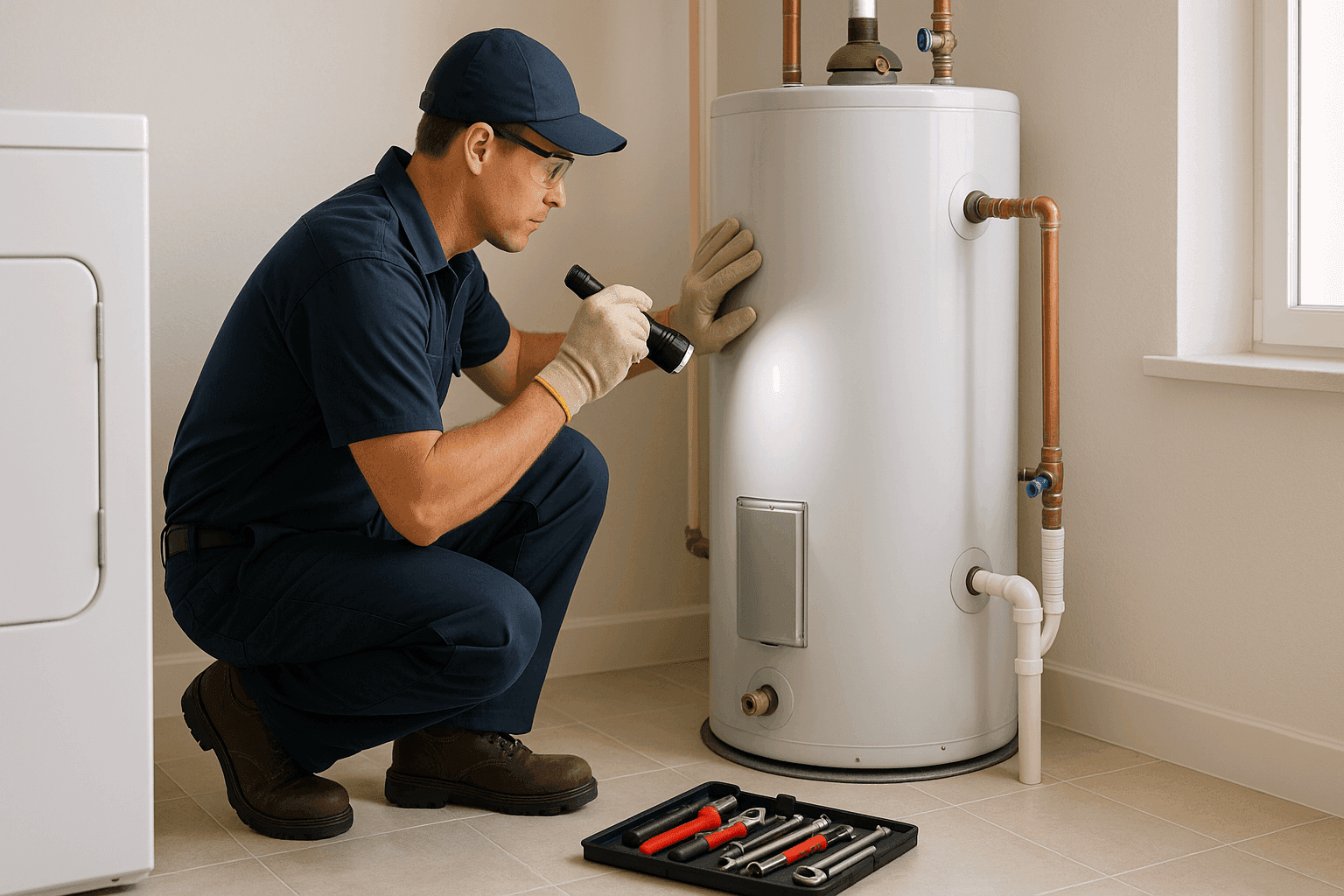
Is your shower suddenly icy? Maybe you hear odd banging from the basement—or spot a puddle under the water heater. When hot water vanishes or a strange sound keeps you up at night, that’s more than inconvenient. It’s a signal your home is trying to get your attention.
At Renegar Plumbing, we know water heater issues don’t wait for business hours. Whether you’re facing a cold morning or worried about a leak, we’re here to help you sort out what’s urgent—and what you might check safely on your own.
The Most Common Water Heater Problems
When your water heater starts acting up, it’s usually trying to tell you something. Here are the most frequent symptoms homeowners notice:
- No hot water: The most obvious—and frustrating—sign.
- Strange noises: Banging, popping, or rumbling from the tank.
- Water leaks: Moisture or puddles near the base.
- Rusty or discolored water: Coming from your hot water tap.
- Fluctuating water temperature: Hot one minute, cold the next.
- Low hot water pressure: Dribbles instead of a strong flow.
Each symptom has its own story. Sometimes it’s a quick fix. Other times, it’s a red flag for a serious problem. Let’s break down what could be going on.
Why These Problems Happen
- No Hot Water: Often caused by a tripped breaker, faulty thermostat, or a failed heating element. For gas units, it could be a blown-out pilot light or thermocouple issue.
- Strange Noises: Usually mineral buildup inside the tank, especially in areas with hard water. The sediment “boils” as the heater works, causing popping or banging.
- Leaks: Could be a loose connection, failing pressure relief valve, or, in the worst case, a corroded tank.
- Rusty Water: Often means the inside of your tank is corroding.
- Temperature Fluctuations: Thermostat trouble, sediment buildup, or a failing mixing valve.
- Low Pressure: Sediment clogging pipes or the tank, or a problem with your home's plumbing.
Quick Safety Checklist 🛑
Before you roll up your sleeves, make sure you’re not putting yourself or your home at risk. Water heaters—especially gas models—can be dangerous if mishandled.
- Check for gas smells: If you smell natural gas or suspect a leak, leave the area and call for emergency plumbing help immediately.
- Turn off power: For electric heaters, switch off the breaker. For gas, turn the thermostat to “off.”
- Water on the floor? Don’t touch electrical outlets or devices nearby.
- Listen for loud hissing, popping, or boiling: Could signal dangerous pressure or overheating—call a professional.
- Do not open the tank: Hot water and steam can cause severe burns.
If in doubt, play it safe and call for help. The U.S. Consumer Product Safety Commission recommends leaving complex repairs to licensed professionals.
Safe DIY Checks & Fixes
Some water heater quirks have simple solutions. Here’s what you can try—without putting yourself in danger.
For Both Tank and Tankless Models
- Reset the thermostat: If your heater has a reset button, press it. Sometimes, this alone solves the problem.
- Pilot light check (gas models): Look through the viewing window. If the pilot’s out, follow the manufacturer’s instructions to relight (if you feel confident and there’s no gas smell).
- Breaker check (electric models): Peek at your home’s panel—has the water heater breaker tripped? Flip it back on if so.
- Check the temperature setting: Make sure it’s set between 120–130°F for safety and efficiency (per the Department of Energy).
- Flush the tank: If you’re comfortable, draining a few gallons can clear sediment (do this only if you’ve read the manufacturer’s guide and the tank has cooled).
When to Stop
If you see sparks, scorch marks, or water keeps pooling—or if you feel unsure at any step—stop. These aren’t “wait and see” situations.
DIY vs. When to Call a Pro
It’s tempting to tackle every problem yourself. But water heaters mix electricity, gas, and scalding water. Some repairs aren’t just tricky—they’re dangerous if you’re not trained.
Safe DIY Tasks
- Checking and adjusting the thermostat
- Resetting the breaker or GFCI outlet
- Relighting the pilot (if comfortable and safe)
Call a Pro If…
- You see water pooling under the unit
- The tank is making loud, ongoing noises
- There’s a metallic or burning smell
- You see rust in your hot water
- The water heater is over 10 years old and acting up
- You’re unsure or uncomfortable at any step
Remember: Some repairs—even those that seem simple—must meet local plumbing codes. Licensed plumbers know the rules and keep your home safe (per local building authorities and National Fuel Gas Code).
What Pros Do When They Arrive
When you call Renegar Plumbing for emergency plumbing or scheduled water heater repair near you, here's what to expect:
- Thorough Inspection: We’ll check the tank, connections, heating elements, and gas lines for visible issues.
- Code Compliance: We make sure everything meets local safety and plumbing codes.
- Testing Components: Using specialized tools, we test thermostats, gas valves, and heating elements.
- Checking for Leaks: Both visible and hidden—using moisture meters and leak detection tools.
- Flushing and Cleaning: If sediment is the culprit, we’ll flush the tank or descale tankless units.
- Repairs or Recommendations: We repair what’s safe to fix. If your heater’s at the end of its life, we’ll explain your options.
We treat your home with the same care we’d want for our own.
Preventing Water Heater Problems
A little attention goes a long way. Here’s how to keep your water heater running smoothly:
- Annual flushes: Remove sediment, especially if you have hard water.
- Test the pressure relief valve once a year (lift the lever gently—hot water should escape, then stop when released).
- Check for leaks around fittings and valves monthly.
- Keep the area around the heater clear—no boxes or clutter.
- Install a water softener if your area is known for hard water (ask your Renegar Plumbing technician for advice).
Regular maintenance can help your heater last longer and perform better, saving you money and stress.
Costs & Time Factors
Water heater repairs vary—sometimes it’s a quick fix, sometimes a bigger job. Here’s what affects the cost and repair time:
- Type of heater: Tank, tankless, electric, or gas.
- Age of unit: Older heaters may need more extensive repairs or replacement.
- Nature of the problem: Leaks and electrical issues can take longer.
- Parts availability: Some brands or older models may require special ordering.
Simple fixes may take less than an hour. More complex repairs can take a few hours or, in rare cases, a full day. If a replacement is needed, installation times vary depending on your home’s setup.
The best way to avoid surprises? Call early—before a small issue becomes a costly emergency.
When It’s an Emergency 🚨
Some water heater problems can’t wait:
- Major leaks or pooling water: Can cause damage to floors, walls, and even your home’s foundation.
- No hot water during freezing weather: This could risk pipe freezing and bursting.
- Gas leaks: If you smell rotten eggs, evacuate and call emergency services immediately.
- Electrical burning smells or sparks: Shut off the breaker and call for help.
If you’re facing any of these, don’t wait. Emergency plumbing services are available 24/7 for a reason—your safety comes first.
FAQ: Your Water Heater Questions
How long should a water heater last?
Most tank water heaters last 8–12 years. Tankless units often last 15–20 years with regular maintenance.
Is it safe to repair a water heater myself?
Simple tasks like resetting the thermostat or breaker are usually safe. For leaks, electrical, or gas issues—leave it to the professionals.
How do I know if I need a new water heater?
If your unit is over ten years old, needs frequent repairs, or shows signs of rust and leaks, replacement may be more cost-effective.
What’s the difference between tank and tankless repairs?
Tank models often face sediment, rust, and leak issues. Tankless units need descaling and can have sensor or venting problems. Renegar Plumbing is trained for both.
Local & Seasonal Considerations
In many parts of the country, hard water is a silent enemy of water heaters. Mineral buildup shortens your heater’s life and makes repairs more likely. If you see white chalky residue on faucets, you likely have hard water.
Cold winters can push heaters harder, making issues more likely to appear. If you’re in a region with freezing temperatures, a broken heater can quickly escalate into frozen pipes—a true emergency.
For these reasons, regular checkups and prompt repairs are especially important in areas with tough winters or hard water.
Your water heater is the heart of your home’s comfort. Don’t let a small problem turn into a big one. For fast, professional repairs—day or night—choose Renegar Plumbing.
Call Renegar Plumbing now — or reach us anytime at 888-899-9250 .